Ethernet Networks
Ethernet networks are the backbone of seamless connectivity, offering a reliable and efficient solution for both home and business environments. Whether you're setting up a new office or enhancing your home network, ethernet provides the stability and speed needed to support multiple devices and high-bandwidth applications. Discover a range of options that cater to various needs, ensuring robust performance and secure connections. Embrace the power of ethernet networks to keep your digital world running smoothly and efficiently.
This product is not available
Check out the following recommendations.
Related Products
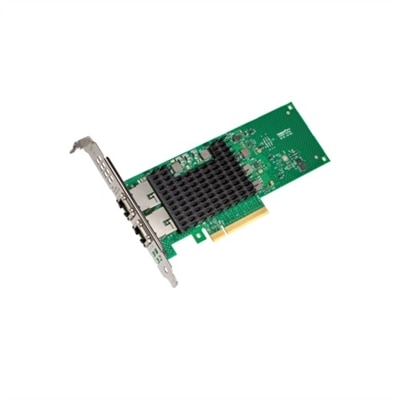
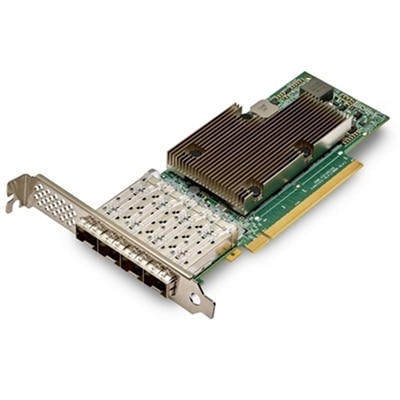
Ethernet Networks
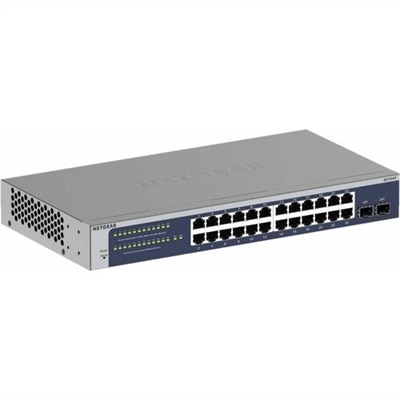
Ethernet Networks provide a dependable wired way to connect computers, printers, displays, and other compatible equipment within a local area network, often called a LAN. Instead of sending data through the air, an Ethernet connection carries digital signals through a physical cable, creating a direct path between devices and the equipment that manages local traffic. The standard behind Ethernet is IEEE 802.3, a family of specifications that defines how devices communicate and how data moves across the connection. For many homes, small offices, classrooms, studios, and workspaces, this approach offers a steady alternative to relying entirely on wireless connections. A typical setup may include a computer with an Ethernet port, a compatible cable with an RJ45 connector, and a central device with multiple ports for bringing several wired connections together. Laptops and desktops can use Ethernet for activities that benefit from a consistent connection, while monitors, printers, and other accessories may be easier to position when the available ports and cable lengths match the layout of the room. Ethernet cables commonly use twisted-pair copper wires to reduce signal interference. Cat5e cable can support Gigabit Ethernet under suitable conditions, while Cat6 and Cat6a cable can provide additional bandwidth and support higher-speed connections when the connected equipment is designed for them. A cable’s category is only one part of the experience; the ports, adapters, central connection equipment, and internet service or local equipment at the other end must also support the desired speed. Reviewing these details before purchase can help prevent a fast cable from being limited by an older port or incompatible accessory. Browse the selection of Ethernet Devices to compare options for building or updating a wired setup around the equipment already in use.
The main appeal of Ethernet is consistency. Wireless signals can weaken as they pass through walls, floors, cabinets, and appliances, and they may also compete with nearby radio signals. A wired connection is not affected by those same obstacles, which can make it useful for a desktop in a home office, a computer used for large file transfers, or a workstation that needs a stable connection during long video meetings. It can also help reduce latency, the small delay between sending and receiving data. That distinction is noticeable when a meeting should begin without a frozen image, when a large project needs to move between connected computers, or when an online game requires quick responses. Ethernet is not automatically faster in every situation, because actual performance depends on the slowest compatible component and the quality of the connection, but it is often more predictable from one room to the next. Security is another consideration. Data traveling over a physical cable is generally less exposed to the kinds of unauthorized wireless access associated with an open or poorly secured Wi-Fi signal, although every connected device should still use strong passwords, current software, and appropriate security settings. For a family, a wired connection can provide a practical path for a desktop or game console while mobile devices remain wireless. In a small business, it can help keep frequently used workstations connected without asking every device to compete for the same radio signal. In a classroom, library, or shared workspace, a well-planned arrangement can make it easier to place computers where people need them while keeping cable runs organized and out of walking paths.
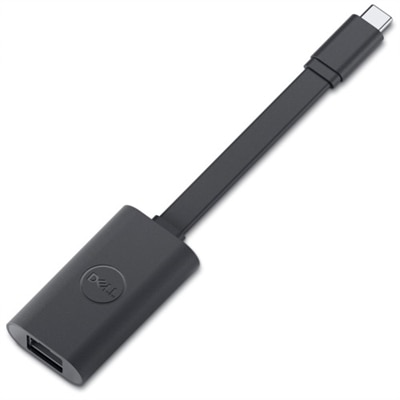
Choosing Ethernet equipment is largely a matter of matching the connection to the room, the devices, and the way the setup will be used. Begin by counting the equipment that needs a wired connection, then allow room for future additions such as another desktop, printer, monitor accessory, or compact workstation. Port count matters when multiple devices will share one central connection point, while cable length matters just as much: a cable that is too short can pull against a port, and one that is much longer than necessary can create a loose loop behind a desk. Look for cables with durable connectors and a jacket suited to the installation area, especially when the cable will be moved often or routed along a baseboard. For an adapter, check the connector on the computer and confirm that the adapter supports the Ethernet speed expected from the rest of the setup. A desktop may already include a built-in port, while a slim laptop may require a compatible adapter. It is also worth considering where the equipment will sit. A home office tucked into a quiet corner may benefit from a short, tidy cable run, while a growing workspace may need more ports and additional reach. Keeping cables labeled and separated from areas where chairs roll or doors open can make the arrangement easier to maintain. Ethernet accessories can also make practical gifts for someone setting up a first apartment, refreshing a study area, or creating a more reliable home office, because they solve an everyday problem without requiring a complete change of computer equipment. Whether the goal is a single stable connection or a coordinated group of wired devices, the right combination of cable category, port type, speed support, length, and physical layout can make the finished setup feel almost invisible: a quiet line of communication working steadily behind the desk.
FAQs:
Ethernet networks provide a direct, wired connection between devices and your router or switch, resulting in faster speeds, lower latency, and more reliable performance compared to Wi-Fi. This makes Ethernet ideal for activities that require stable connections, such as gaming, video conferencing, and large file transfers. Wired networks are also less susceptible to interference and congestion, ensuring consistent connectivity even in busy environments.
Anyone who values reliable, high-speed internet can benefit from a wired Ethernet connection. This includes remote workers, students participating in online classes, gamers seeking low latency, and families streaming high-definition content. Ethernet is also a great solution for smart TVs, desktop computers, and devices that stay in one place and require a stable connection.
Powerline adapter ethernet kits use your home’s existing electrical wiring to carry network signals. By plugging one adapter into a power outlet near your router and another near the device you want to connect, you can extend your wired network to areas where running traditional Ethernet cables is difficult. This makes it easier to achieve strong, wired connectivity in rooms that are far from your main router.
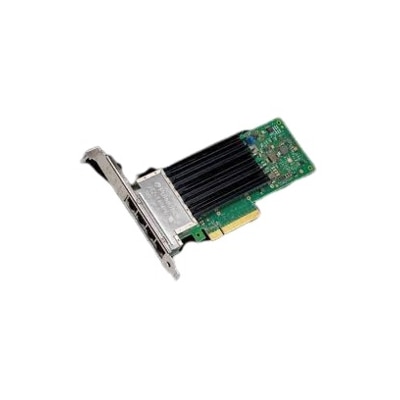
Ethernet controllers, such as dell ethernet controllers, are responsible for managing the flow of data between your device and the network. High-quality controllers ensure efficient data transfer, reduce latency, and help maintain optimal speeds, especially during heavy usage. Devices equipped with advanced ethernet controllers are better suited for demanding tasks like HD streaming, online gaming, and large file uploads or downloads.
For most high-speed home or office networks, Cat5e and Cat6 ethernet cables are commonly recommended. Cat6 cables support higher data rates and are better suited for gigabit and above speeds, making them ideal for future-proofing your network. Choosing the right cable ensures that your devices can take full advantage of your network’s capabilities, especially when transferring large files or streaming high-definition content.