Family Desktop Computers
Family desktop computers offer a reliable and versatile solution for households seeking to balance work, school, and entertainment needs. Designed to support multiple users, these desktops make it easy for everyone in the family to stay connected, productive, and entertained. Whether you're setting up a home office, helping with homework, or enjoying streaming and gaming together, family desktop computers provide the performance and flexibility needed for everyday tasks. Explore a wide selection of options to find the perfect fit for your home environment.
This product is not available
Check out the following recommendations.




Family Desktop Computers
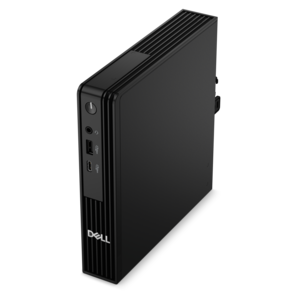
Family desktop computers give a household a dependable place for schoolwork, communication, creativity and entertainment. Unlike a portable computer that may disappear into a backpack or move from room to room, a desktop creates a shared home workspace where everyone can settle in, connect accessories and keep important files organized. Families often place one in a home office, study area, living room corner or spare bedroom, choosing a location with comfortable seating, dependable lighting and enough surface space for the monitor, keyboard and mouse. An all-in-one desktop can be especially practical in a family setting because the computer components are built into the display, helping reduce cable clutter and preserve valuable desk space. With integrated speakers and a clear screen, an all-in-one can support homework, video calls, streaming, recipe browsing, online appointments and everyday web use without requiring a separate monitor or a complicated setup. Traditional tower desktops provide another flexible option, particularly for households that want room to add storage, connect multiple displays or select peripherals suited to different family members. Whether it becomes the quiet workstation for a parent, the homework station for a student or the central computer for managing household tasks, a family desktop computer can bring structure and consistency to daily routines. During the cooler months, a dedicated indoor workspace can become a comfortable spot for catching up on assignments, organizing family photos, learning new skills or enjoying a movie together.
When comparing family desktop computers, begin with the activities the household will perform most often. Web browsing, word processing, online learning, video calls and streaming generally run smoothly on an entry-level or midrange processor paired with at least 8GB of memory. More memory can be helpful when several people share the computer, when many browser tabs remain open or when applications for photo editing, coding and creative projects are used alongside communication tools. A solid-state drive, commonly called an SSD, can help the computer start quickly and open files with less waiting than older mechanical storage. For a shared family computer, 256GB provides a useful starting point for documents, applications and a growing collection of photos, while households that store videos, large creative projects or extensive game libraries may prefer greater capacity. Families who want additional processing flexibility can explore Desktop Computers With AMD Processors and compare options according to performance needs, memory and storage. Display size matters as well: a compact screen can fit a small desk, while a larger display may make split-screen research, spreadsheets, digital art and collaborative homework more comfortable. Look for a screen with a resolution that keeps text crisp and images detailed, along with an adjustable stand or a compatible mount that supports an ergonomic viewing position. A variety of ports can also make a meaningful difference, allowing family members to connect headphones, printers, external drives, cameras and other accessories without constantly swapping cables.
A shared computer works best when it feels welcoming and remains easy to manage. Set up individual user profiles so each person can keep documents, browser settings and personal preferences separate, while a dedicated family folder can hold shared schedules, scanned records and household resources. Parents and caregivers may want to review privacy controls, account permissions, backup options and screen-time settings before handing the computer over to younger users. A webcam and microphone can support remote classes, family calls and appointments, while a printer connection can be useful for forms, school projects and travel documents. Families who enjoy casual gaming should pay attention to the processor, memory, graphics capabilities and available storage rather than relying on appearance alone. Those who edit photos or videos may benefit from a faster processor, more memory, a larger SSD and a display that presents color and detail clearly. Accessories can personalize the setup: a comfortable keyboard and mouse can help with long study sessions, speakers or a headset can improve calls and entertainment, and a surge protector can provide an added layer of protection for the computer and connected equipment. A desktop can also make a thoughtful gift for a student preparing for a new school year, a relative beginning remote work or anyone building a more organized home office. By matching the computer to the people who will use it, the available space and the household’s everyday habits, families can create a capable shared workstation that remains useful through changing schedules, new interests and years of memories stored close at hand.
FAQs:
When choosing a family desktop computer, prioritize features like multi-user account support, ample RAM (16GB or more), fast SSD storage, and the latest processors. These ensure smooth performance for work, school, and entertainment. Built-in parental controls and easy-to-clean designs also help keep your desktop family-friendly and durable.
An all in one desktop computer combines the monitor and computer components into a single, sleek unit, reducing cable clutter and saving valuable space. This makes it ideal for common areas like living rooms or kitchens, where clean lines and easy placement are important for a harmonious family environment.
Yes, a dell desktop computer is designed to handle a variety of tasks, from remote work and video conferencing to streaming movies and playing games. With powerful processors, high-quality displays, and versatile connectivity options, these desktops adapt to the diverse needs of every family member.
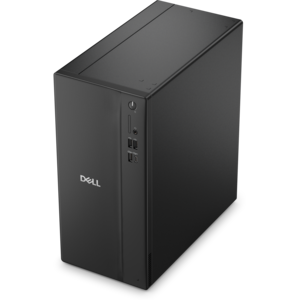
Traditional tower desktops offer greater upgradability and flexibility, allowing you to add or replace components like graphics cards, memory, or storage as your family's needs evolve. This makes them a good choice for households that want the option to enhance performance over time or customize their desktop experience.
Absolutely. Families interested in desktops powered by AMD processors can explore a variety of models that deliver a balance of performance, efficiency, and value. For more information and available options, visit the Desktop Computers With AMD Processors page.