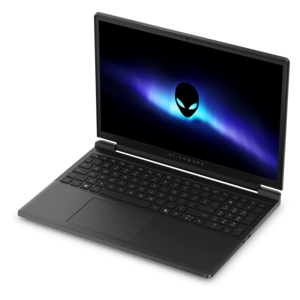
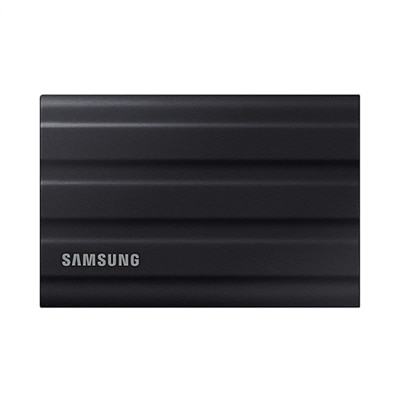
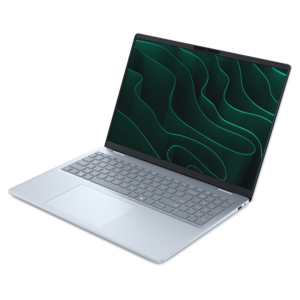
Gaming Laptops With SSD
Experience lightning-fast load times and seamless gameplay with gaming laptops with SSD, designed to keep you ahead in every match. These high-performance laptops combine powerful processors and advanced graphics capabilities with the speed and reliability of solid-state drives. Whether you're exploring immersive worlds or competing at the highest level, gaming laptops with SSD deliver the responsiveness and storage efficiency that modern gamers demand. Find your perfect setup and elevate your play to new heights.
This product is not available
Check out the following recommendations.




Gaming Laptops With SSD
Gaming laptops with SSD drives bring responsive everyday computing and immersive play together in a portable system. An SSD, or solid-state drive, holds the operating system, installed games, applications, and saved files on flash memory rather than spinning disks. That design generally makes startup, game launches, and file access faster than on a traditional hard drive, while eliminating the mechanical noise of a spinning drive. The difference is especially noticeable when a short break becomes a quick gaming session: less time waiting at the desktop or loading a saved campaign leaves more time to play. In games designed to stream environments from the drive, an SSD can also help assets load promptly as a character moves through a crowded city or across a large landscape. It does not, by itself, guarantee higher frame rates. Graphics hardware, the processor, memory, cooling, and game settings remain central to smooth gameplay, while the drive primarily affects loading and data access. Many gaming laptops use NVMe SSDs, which communicate through PCIe and offer higher potential transfer speeds than SATA SSDs. Actual results depend on the drive, the laptop’s supported interface, and the workload; a headline sequential read speed is not a direct measure of how quickly every game will load. Differences between two fast SSDs may feel smaller during ordinary play than benchmark numbers suggest. A well-balanced gaming laptop pairs its SSD with graphics performance suited to the screen resolution, enough memory for the intended applications, and cooling that supports sustained use. That combination suits a range of routines, from evening multiplayer matches to a weekend spent exploring a story-driven game. It also supports people who use the same computer for coursework, creative projects, video calls, and entertainment. Quick access to applications and local files makes the benefits relevant beyond gaming, particularly when switching between a project, a voice chat, and a game launcher throughout the day.
Capacity shapes how comfortably a gaming laptop fits an expanding library. A 512GB SSD can accommodate a smaller collection, but several large games, updates, and personal files can fill it quickly. A 1TB drive offers more flexibility for keeping multiple games installed, while 2TB provides additional room for larger libraries, recorded gameplay, and creative work. There is no single capacity that suits every player: someone who rotates between two favorite games has different needs from someone who keeps several expansive adventures and simulation titles ready to launch. Advertised capacity also differs from usable space because formatting, system files, and preinstalled software occupy part of the drive. Free space matters for updates and temporary files, and an SSD that is nearly full may have less room to manage writes efficiently. For households sharing a computer, separate game libraries and user files make that extra breathing room particularly useful. Expansion options deserve equal attention because a gaming laptop may have one SSD slot, multiple slots, or limitations on which drives it supports. M.2 describes a drive’s physical format, not a guarantee of its interface or compatibility. Many gaming laptops accept M.2 2280 SSDs, measuring 22 millimeters wide and 80 millimeters long, but some require other lengths or impose additional clearance restrictions. The laptop’s documentation is the reference for supported dimensions, PCIe generation, drive configuration, and installation requirements. A newer-generation drive cannot exceed the interface speed supported by the system. Desktop-style heatsinks may be too tall for a laptop chassis, while some laptops rely on a specified thermal pad, shield, or bracket to manage SSD heat. Replacement drives need to fit both the connector and the available internal space without interfering with the bottom cover. For compatible replacement or expansion options, Laptop SSDs provides a related category to explore alongside the laptop’s specifications. Upgrade access varies, and opening a system or replacing its main drive may involve professional assistance, data migration, or reinstalling software.
The rest of the laptop determines how that fast, compact drive fits into daily life. A larger screen can make small interface details easier to see and give creative applications more workspace, while a smaller chassis is often easier to carry between rooms, classes, or a friend’s home. Overall weight includes more than the computer itself: the power adapter, headset, mouse, and protective sleeve all contribute to a packed bag. Metal panels can add rigidity, while well-designed plastic housings can keep weight manageable; material alone does not establish durability. Hinge construction, chassis reinforcement, and careful handling also matter, especially for a laptop that travels frequently. Because an SSD has no moving mechanical parts, it is less vulnerable than a hard drive to certain movement-related failures, but the laptop remains susceptible to drops, liquid spills, and pressure on the display. A padded compartment and a secure place for the power adapter help protect the system in transit. At a desk, a firm, flat surface keeps ventilation openings clear; bedding and soft cushions can obstruct airflow during extended sessions. Fan noise and surface warmth vary with workload and cooling design, even though the SSD itself operates silently. Demanding games also draw substantial power, so battery runtime during play is usually much shorter than during light browsing, and full performance may depend on connecting the appropriate adapter. A comfortable keyboard, a responsive display, and well-positioned ports contribute to an enjoyable setup, whether the laptop is used alone or connected to an external monitor and accessories. Routine care includes following the manufacturer’s cleaning directions, keeping vents unobstructed, installing appropriate updates, and backing up important files. An SSD is not a substitute for a backup, and saved projects or recordings can be difficult to replace after a hardware failure. For a student, frequent traveler, or gaming enthusiast receiving a laptop as a gift, the most useful combination reflects actual habits: preferred games, carrying needs, screen comfort, and enough SSD capacity to keep favorite experiences close at hand.
FAQs:
Gaming laptops with SSD storage offer significantly faster boot times, reduced game load screens, and smoother multitasking compared to traditional hard drives. This means you can jump into your favorite games quickly, switch between applications without lag, and enjoy a more responsive overall experience, whether you’re gaming, streaming, or working on creative projects.
A gaming laptop with SSD storage is ideal for anyone who values speed and performance, from students and professionals who enjoy gaming in their downtime to content creators and competitive gamers who require quick access to large files and seamless gameplay. These laptops also make excellent gifts for tech enthusiasts or anyone looking to upgrade their current setup.
Absolutely. While designed for gaming, these laptops excel in a variety of tasks, including video editing, graphic design, 3D modeling, and multitasking between productivity apps. The fast SSD storage ensures that large files open quickly and system operations remain smooth even under heavy workloads.
Yes, some gaming laptops combine the speed of SSD storage with the convenience of a touchscreen. This combination is perfect for users who want the flexibility of touch input for creative work, browsing, or casual gaming, without sacrificing high performance and fast load times.
Gaming laptops with SSD storage are built to handle the evolving demands of modern games and software. As titles become larger and more complex, SSDs provide the necessary speed for quick installations, updates, and in-game performance. Models with ample RAM and advanced graphics ensure that your laptop remains capable of running the latest releases, keeping you prepared for gaming laptops 2025 and beyond.