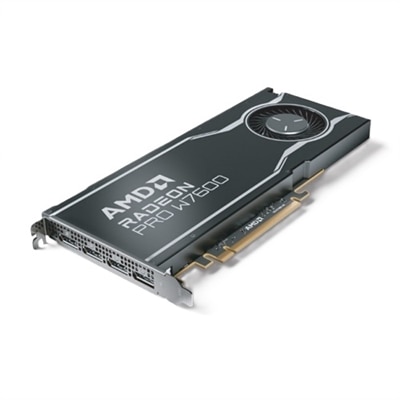
GDDR6 GPUs
Unlock next-level performance and efficiency for your gaming, creative, or professional setup with GDDR6 GPUs. Designed to handle demanding applications and deliver smooth visuals, these graphics cards are built for users who expect more from their systems. Explore a wide range of GDDR6 GPUs to find the perfect fit for your needs, whether you’re upgrading your current rig or building a new powerhouse from the ground up.
This product is not available
Check out the following recommendations.
Related Products
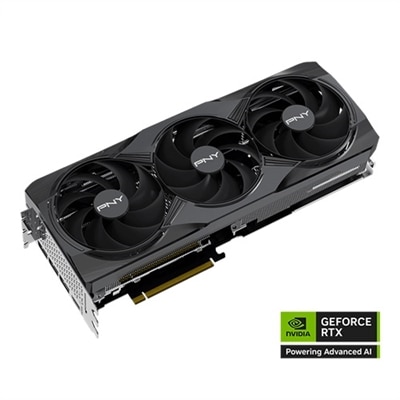
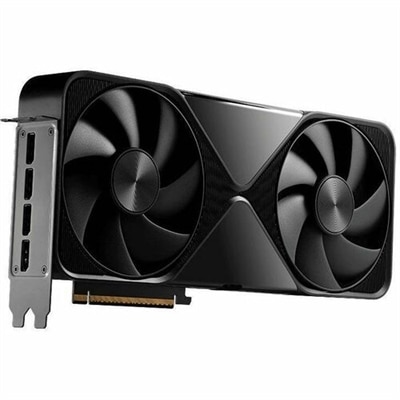
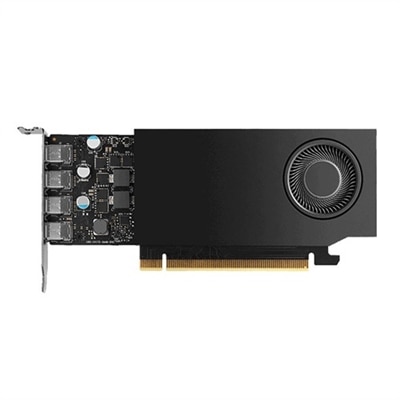
GDDR6 GPUs
GDDR6 GPUs are graphics cards equipped with GDDR6, or Graphics Double Data Rate 6, memory designed to move visual data quickly between the graphics processor and its dedicated memory. This combination can deliver high bandwidth, responsive performance and useful power efficiency for a wide range of PC activities, including gaming, creative work, 3D design, video editing and everyday multitasking with demanding visual applications. GDDR6 memory can reach transfer rates of up to 20 Gbps per pin in some implementations, giving compatible graphics cards the speed needed to load detailed textures, render complex scenes and maintain smooth frame rates. It uses standard NRZ signaling, a mature approach that supports stable operation and generally moderate heat output compared with more advanced memory designs. That balance helps explain why GDDR6 remains a popular foundation for budget-friendly and mid-range graphics cards. For many users, a GDDR6 GPU offers a practical step up from integrated graphics without requiring the higher power demands, larger coolers or added expense often associated with more extreme performance tiers. It can be a strong fit for a desktop used to play popular games at 1080p or 1440p, explore creative software, build 3D environments or enjoy sharper visuals across several displays. Performance still depends on the entire graphics card, including the graphics processor, memory capacity, memory bus, cooling system and software support, so GDDR6 should be viewed as one important part of the specification rather than a guarantee of identical results across every card.
When comparing GDDR6 GPUs, begin with the way the card will be used. A player focused on fast-paced games may place greater value on consistent frame rates, low-latency performance and support for a monitor’s refresh rate, while someone editing video or working with large digital art files may benefit from additional graphics memory and strong application compatibility. Resolution matters as well: 1080p places a different workload on a GPU than 1440p or ultrawide gaming, and moving to higher resolutions can increase the importance of memory capacity and bandwidth. Check the amount of GDDR6 memory, but do not judge a card by capacity alone. A card with more memory may be better suited to large textures, detailed scenes and multiple displays, while the graphics processor itself determines much of the rendering capability. Also review the supported display outputs and make sure they match the monitor or monitors you plan to use. Before purchasing, confirm that the graphics card will fit inside the desktop’s case, including its length, height and thickness, and leave room for airflow around the cooling fans. Power requirements deserve equal attention. Compare the card’s recommended power supply capacity and connector requirements with the desktop’s existing components, allowing enough headroom for reliable operation. Good airflow can make a noticeable difference during a long gaming session: a clean case, unobstructed intake and exhaust paths, and sensible fan placement help the card maintain performance without unnecessary noise. Drivers and operating-system support are also worth checking, particularly when a GPU will be used for specialized creative applications. For shoppers planning a complete upgrade, browsing Next Generation GPUs can provide additional context about newer graphics technologies and performance categories.
A GDDR6 GPU can serve a variety of people, from a first-time PC builder looking for smooth everyday graphics to an experienced player assembling a capable gaming desktop. It may also be a thoughtful gift for someone setting up a computer for a new semester, refreshing a home office or spending cooler months learning animation, game development or digital illustration. Because graphics cards are internal components, gifting one is easiest when the recipient’s desktop specifications are known in advance; compatibility is more important than appearance or memory capacity alone. Ask, directly or discreetly, about the case size, power supply, motherboard expansion slot and monitor resolution before selecting a card. In practical use, GDDR6 graphics cards can make a desktop feel more immediate when moving through detailed game worlds, scrubbing along a high-resolution video timeline or arranging layers across a broad workspace. They can also support hardware-accelerated features in compatible applications, helping certain visual tasks complete more efficiently than they would with integrated graphics. GDDR6 is often compared with GDDR6X, a newer memory design that uses PAM4 signaling to achieve greater bandwidth but can generate more heat and demand more robust cooling. GDDR6’s standard signaling, efficient operation and broad adoption make it a dependable choice for many mainstream and mid-range systems. The right selection should balance graphics processor performance, GDDR6 capacity and speed, system compatibility, display goals, cooling and budget rather than relying on a single specification. With those details aligned, a GDDR6 GPU can provide a versatile foundation for clear visuals, responsive play and creative work throughout changing routines, from warm-weather projects to indoor entertainment during the cooler months.
FAQs:
GDDR6 GPUs offer significantly higher memory bandwidth and faster data transfer rates compared to previous generations, resulting in smoother gameplay, quicker load times, and improved performance in demanding creative applications like 3D rendering and video editing. This makes them ideal for users who want to experience high-resolution gaming or tackle intensive multimedia projects.
Upgrading to a GDDR6 graphics card is especially beneficial for gamers seeking higher frame rates and detail settings, content creators working with high-resolution images or video, and professionals using graphic-intensive software. Students in design, engineering, or computer science fields may also see a noticeable boost in performance for their coursework and projects.
GDDR6 memory provides faster access to graphics data, which helps when running multiple demanding applications at once. Whether you’re gaming while streaming, editing large video files, or working with complex 3D models, GDDR6 GPUs help ensure a smoother, more responsive experience with less lag and fewer slowdowns.
Yes, a 4gb graphics card with GDDR6 memory is a great choice for casual users who enjoy light gaming, streaming media, or basic photo and video editing. It provides a solid balance of performance and efficiency for everyday computing tasks without requiring a high-end investment.
Absolutely. GDDR6 GPUs are designed to handle multiple high-resolution displays, making them well-suited for users who need expansive desktop space for productivity, immersive entertainment experiences, or detailed creative work. Users can enjoy seamless transitions and efficient multitasking across several monitors.