$1330.00
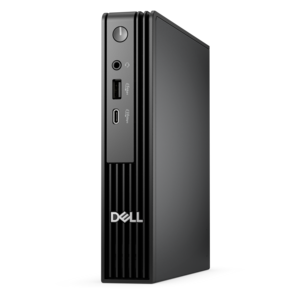
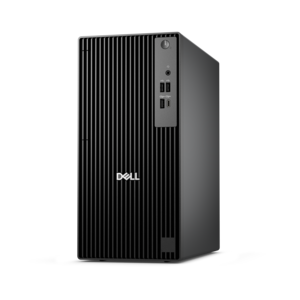
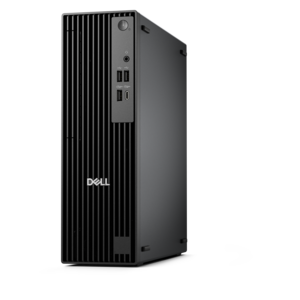
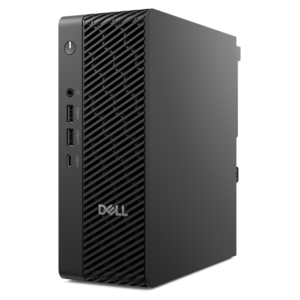
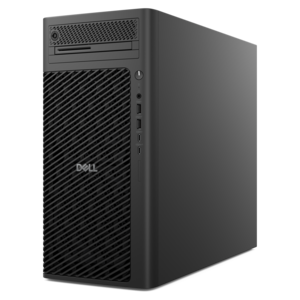
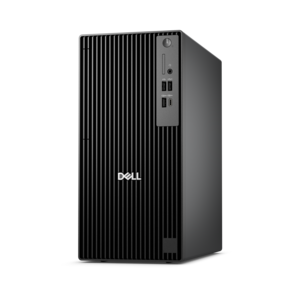
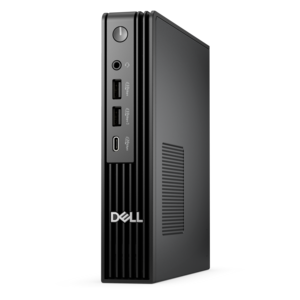
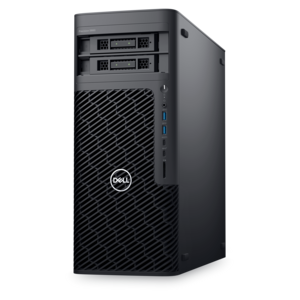
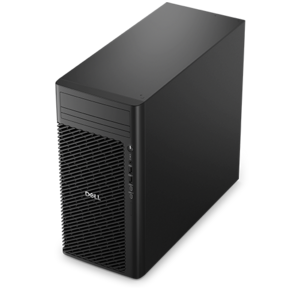
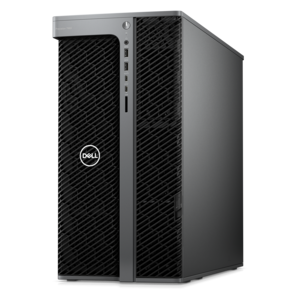
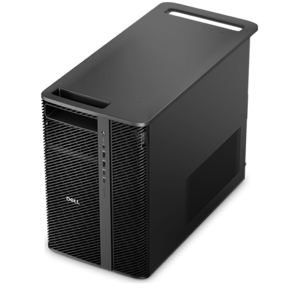
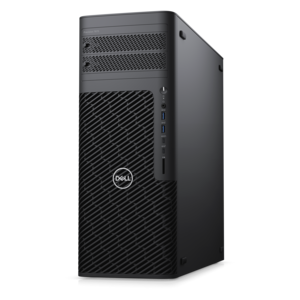
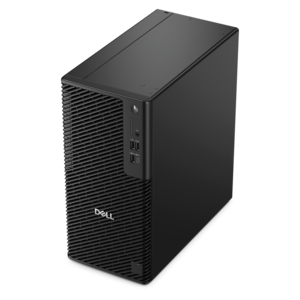
A reliable workstation desktop delivering excellent performance with professional graphics for demanding productivity and creative workloads.
Explore the cutting-edge world of high performance computing solutions, where innovation meets efficiency to power your most demanding tasks. Whether you're tackling complex data analysis, running intricate simulations, or driving advanced research, these solutions are designed to elevate your computational capabilities. With a focus on delivering unparalleled speed and reliability, our range of high performance computing options caters to diverse needs, ensuring you have the tools necessary to excel in any high-stakes environment. Discover how these powerful solutions can transform your workflows and push the boundaries of what's possible in technology.
A reliable workstation desktop delivering excellent performance with professional graphics for demanding productivity and creative workloads.
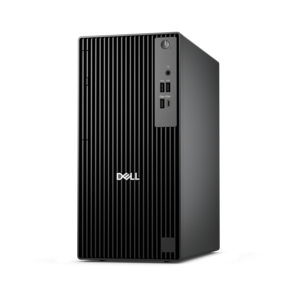
A high-performance business desktop with AI PC options, robust security, and seamless manageability for productivity.
A business-ready tower desktop with Copilot+ PC options, robust security, manageable features, and expandable performance.
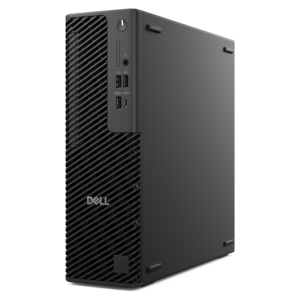
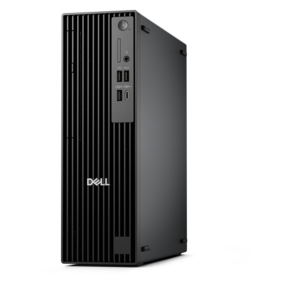
A compact, high-performance business desktop for heavy workloads, featuring advanced security, manageability, and optional AI productivity.
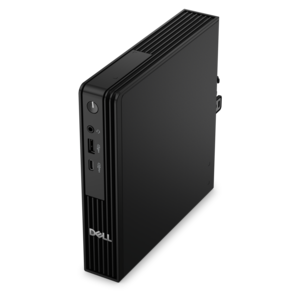
A space-saving desktop engineered for exceptional speed and efficiency in a sleek, compact design.
A scalable desktop delivering the world’s fastest single-threaded performance for demanding professional workloads.
A business-ready tower desktop with AI-enhanced productivity, robust security, seamless manageability, and expandable performance.
A slim desktop delivering exceptionally fast CPU and GPU performance for demanding professional workloads.
A compact, high-performance AI-ready desktop delivering secure, manageable performance for demanding business workloads.
A high-performance AI-ready business desktop with security, seamless manageability, and expandable capabilities for demanding tasks.
An ultracompact AI-ready desktop delivering robust business performance with exceptional security and seamless manageability.
A workstation with Xeon processing, dual 300W graphics, 56TB storage, 2TB memory, and Windows 11 Pro.
A high-performance desktop combining Intel Xeon 6 processors and advanced graphics for demanding professional workloads.
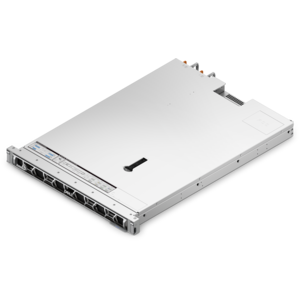
A dense, powerful rack-ready desktop engineered to optimize demanding computing environments.
A scalable tower workstation with professional graphics and up to a 56-core Intel Xeon processor.
A high-performance desktop powered by the NVIDIA Grace Blackwell Ultra Desktop Superchip with MaxCool technology.
A scalable professional desktop delivering elite computing power with massive expandability.
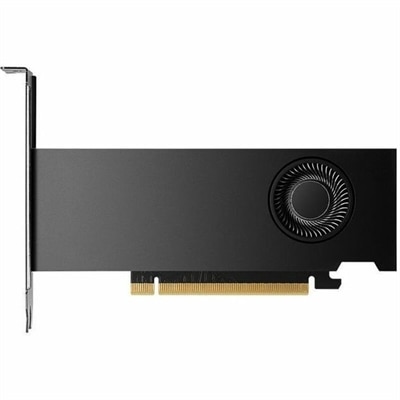
A professional graphics board with 16GB GDDR6 memory, 2,816 CUDA cores, AI acceleration, and ray tracing.
An AI-powered Copilot+ PC featuring Series 3 Intel Core Ultra processors for efficient performance.
A scalable, high-performance workstation designed to handle critical professional tasks and evolving workloads.
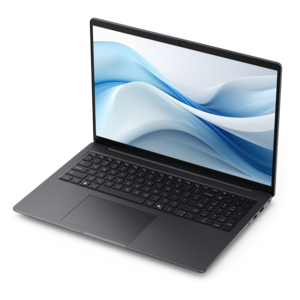
A thin, lightweight Copilot+ PC combining powerful AMD CPU, GPU, and NPU performance for enhanced productivity.
A scalable tower workstation delivering reliable, outstanding performance for demanding multi-threaded applications.
A compact AI accelerator delivering powerful local inferencing, AI development, and versatile edge performance.
High Performance Computing Solutions bring together powerful personal computing devices and carefully matched components to help demanding applications run smoothly, responsively, and reliably. Unlike a standard everyday computer designed primarily for web browsing, documents, and light media, a high-performance system is built to handle sustained workloads such as three-dimensional design, video production, software development, scientific modeling, data analysis, artificial intelligence development, and advanced visualization. A fast multi-core processor can manage simultaneous instructions, while a dedicated graphics processor can accelerate rendering, simulation, machine learning, and other highly parallel tasks. Ample memory helps large projects remain accessible without constant interruptions, and fast solid-state storage can shorten application launches, file transfers, and project load times. The right display matters as well: a large, high-resolution monitor can reveal fine details in a model or timeline, while accurate color reproduction supports photography, digital art, engineering documentation, and content creation. People comparing high performance computing solutions should consider the applications they use most, the size of their typical projects, and how long they expect a system to remain part of their workflow. A computer that feels exceptionally quick with a small project may respond differently when handling a large scene, multiple virtual environments, lengthy video footage, or a complex model. Looking at processor generation, graphics capability, memory capacity, display resolution, cooling design, upgrade options, and the range of available ports creates a more complete picture than focusing on a single specification. For additional background, What Are High Performing Computers? offers helpful context for understanding the characteristics that set these systems apart.
These solutions are useful across professional, academic, and creative settings. An architect or product designer may use a powerful desktop or laptop to rotate detailed models, test materials, and refine a design before a physical prototype is made. An engineer can run simulations that examine heat, motion, pressure, or structural stress, making it easier to identify potential issues early in the development process. Researchers and analysts may work with large datasets, statistical models, image collections, or machine learning workflows that benefit from fast processors, dedicated graphics, and generous memory. A filmmaker, photographer, animator, or musician may appreciate the difference when editing high-resolution footage, composing layered scenes, applying effects, or working with numerous tracks at once. Students pursuing engineering, architecture, computer science, animation, or other technical disciplines can also benefit from equipment that supports demanding coursework while helping them build practical skills with professional applications. In a shared office, a high-performance desktop paired with one or more capable monitors can serve as a dependable workstation for design reviews, financial modeling, technical documentation, or intensive multitasking. A mobile workstation-style laptop may suit people who move between an office, classroom, studio, lab, and home, provided its performance, battery expectations, weight, and display meet the demands of that routine. Accessories can make the experience more comfortable and precise. An ergonomic keyboard and mouse may reduce fatigue during long sessions, a docking solution can simplify connections to displays and peripherals, and a quality headset can support focused work or clear collaboration. These products can also make thoughtful gifts for university students, aspiring creators, or professionals building a home workspace, particularly when chosen around a real interest such as animation, game development, photography, coding, or music production.
Selecting high performance computing solutions is ultimately a matter of balancing capability, comfort, portability, and longevity. Start by identifying the software that matters most and checking its recommended processor, graphics, memory, and display requirements. Creative applications may benefit from strong graphics performance and a color-accurate screen, while compiling code, analyzing scientific data, or working with complex spreadsheets may place greater emphasis on processor cores and memory. For three-dimensional work, examine graphics memory and real-time rendering capability, since these factors can influence how smoothly a scene responds as details accumulate. For artificial intelligence experimentation, look for a graphics processor and memory configuration suited to the frameworks and model sizes being used, along with enough system memory to keep related tools running together. Professionals who work with several applications at once may value a larger screen or multiple-monitor setup, while people who travel may prefer a lighter laptop with a practical balance of performance and battery life. Thermal management should not be overlooked: sustained workloads can generate significant heat, and a well-designed system can help maintain consistent performance during long rendering, compiling, or simulation sessions. It is also wise to consider warranty coverage, technical support, keyboard comfort, webcam quality, audio, connectivity options, and accessibility features, because the best-performing computer is still a poor fit if it is uncomfortable to use every day. As work shifts between home, campus, studio, and office during the warmer and cooler seasons, a flexible setup can keep projects moving without requiring a complete change of routine. With the right combination of computing power, a clear and comfortable display, dependable accessories, and software-aware specifications, high performance computing solutions can provide the responsive foundation needed for focused work, ambitious learning, and demanding creative projects.
Add the products you would like to compare, and quickly determine which is best for your needs.