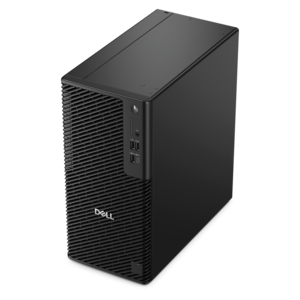
1. Processor (CPU) Power
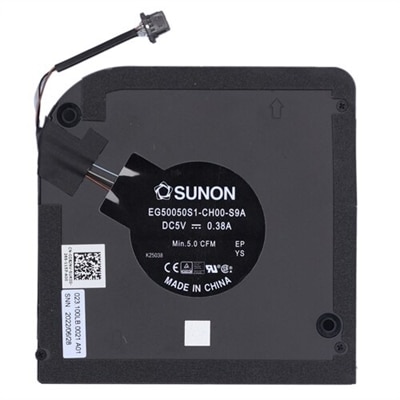
2. Memory (RAM)
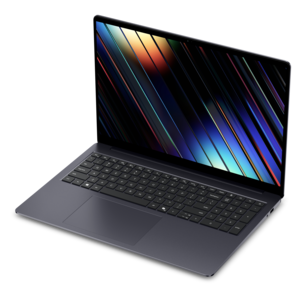
3. Graphics Capability
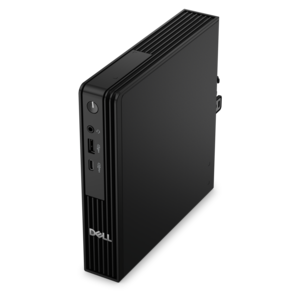
4. Storage Type and Speed
Choosing a high performing computer ensures you get the speed, power, and reliability needed for demanding tasks.
1. Processor (CPU) Power
2. Memory (RAM)
3. Graphics Capability
4. Storage Type and Speed
Check out the following recommendations.




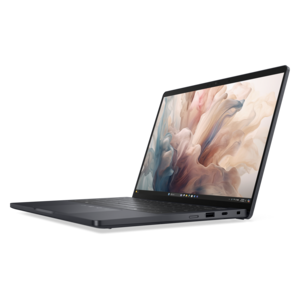
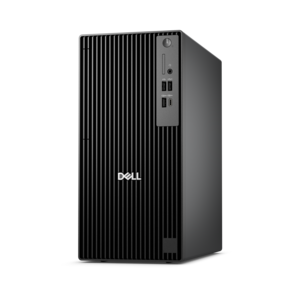
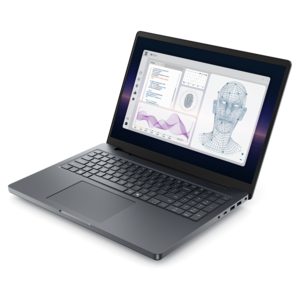
A high performing computer is characterized by powerful processors, ample memory (RAM), fast storage solutions like SSDs, and advanced graphics capabilities. These features enable smooth multitasking, quick load times, and the ability to handle demanding applications such as creative software, gaming, and professional workloads.
High performing computers are ideal for professionals such as graphic designers, video editors, engineers, and gamers who require fast processing speeds and robust graphics. They are also beneficial for students and remote workers who need reliable performance for multitasking and running complex applications.
Key components that impact a computer’s performance include the central processing unit (CPU), graphics processing unit (GPU), memory (RAM), and storage type. A balanced combination of these elements ensures efficient operation and responsiveness.
A high performing computer reduces lag time, enables faster data processing, and supports seamless multitasking. This leads to increased efficiency, allowing users to complete tasks more quickly and effectively, whether working with large files, editing media, or running multiple programs at once.
Yes, high performing computers are especially well-suited for creative professionals. Enhanced processing power and graphics capabilities support demanding applications for tasks such as photo and video editing, 3D rendering, and digital illustration, ensuring smooth workflows and high-quality results.
Add the products you would like to compare, and quickly determine which is best for your needs.