$42.99
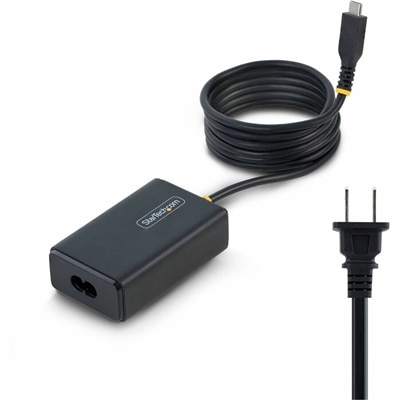
A 65W USB-C Power Delivery adapter with tethered cable, broad voltage support, certifications, and comprehensive safety protections.
In today's rapidly evolving work environment, hybrid work technology is revolutionizing the way we connect, collaborate, and create. As businesses embrace a blend of remote and in-office work, the demand for seamless, flexible solutions has never been greater. From cutting-edge laptops and versatile monitors to advanced communication tools and ergonomic accessories, these technologies are designed to enhance productivity and adaptability. Discover how the latest innovations in hybrid work technology can empower you to stay efficient and connected, no matter where your workspace may be.
A 65W USB-C Power Delivery adapter with tethered cable, broad voltage support, certifications, and comprehensive safety protections.
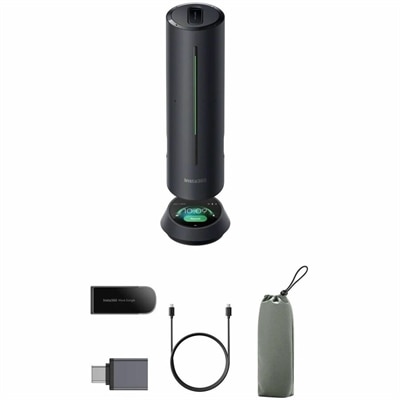
A smart conference speakerphone with eight microphones, 16-foot pickup, AI noise reduction, transcription, and 32GB storage.
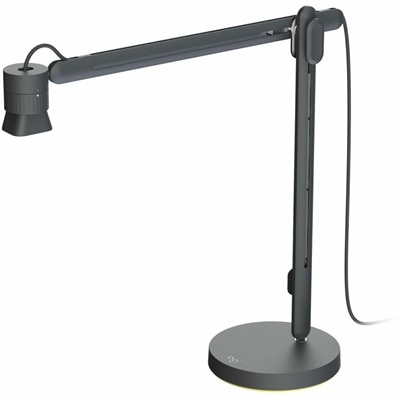
An articulating overhead camera arm with base mount, 1080p60 video, USB connectivity, and versatile pivoting controls.
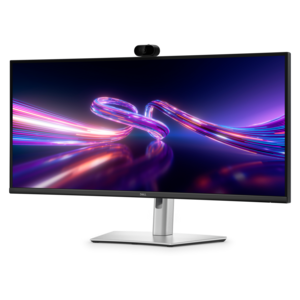
A curved WQHD IPS monitor with a built-in webcam and convenient USB-C hub for collaborative workspaces.
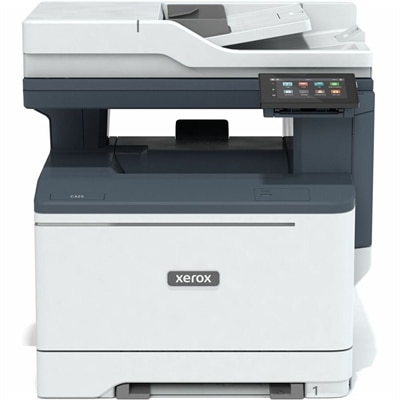
A color multifunction printer delivering productivity features and advanced security for home offices and small teams.
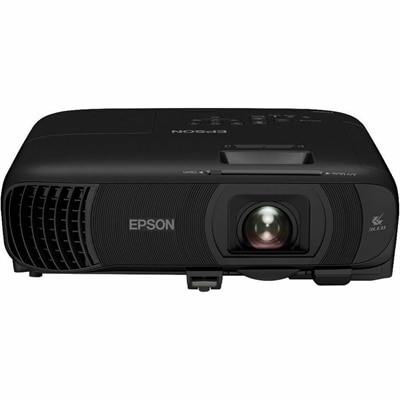
A ceiling-mountable Full HD 3LCD projector delivering 4,100-lumen brightness with AirPlay, Miracast, and 16W audio.
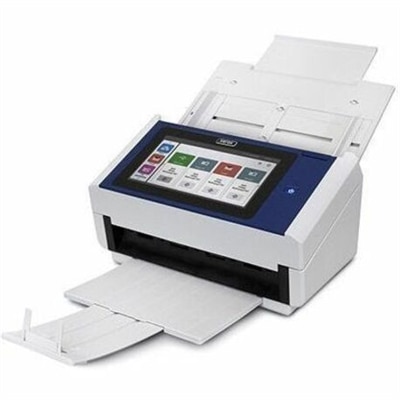
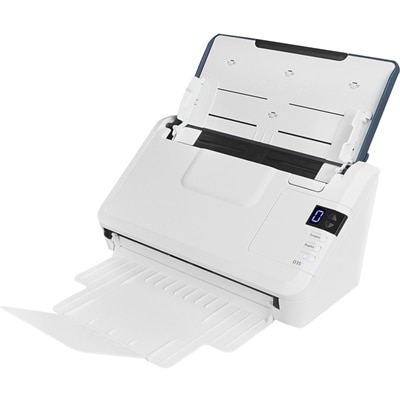
A document scanner with an 8-inch touchscreen, 600 dpi optical resolution, Wi-Fi, Ethernet, and 100-sheet feeder.
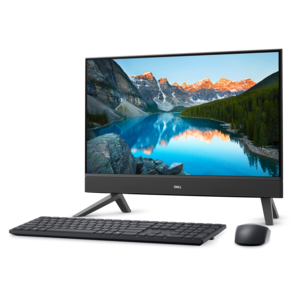
A compact all-in-one desktop designed for productive work and everyday entertainment.
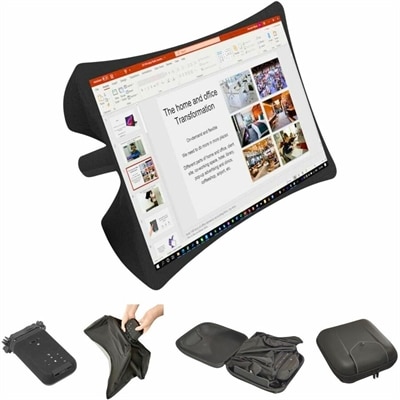
A foldable, rugged projection system with a nanomaterial screen, built-in battery, HDMI and USB-C connectivity.
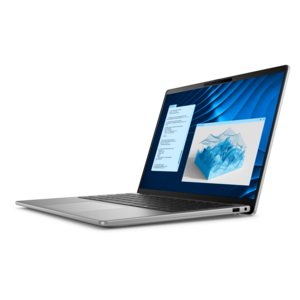
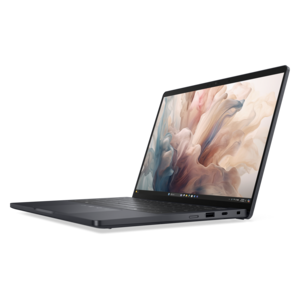
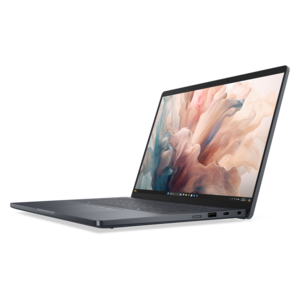
A high-performance professional laptop with on-device AI and exceptional battery life for unplugged productivity.
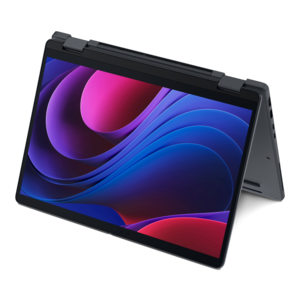
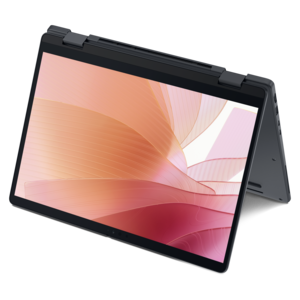
A thin 2-in-1 laptop combining versatility, portability, and performance with Series 3 Intel Core Ultra processors.
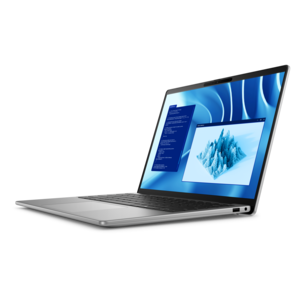
A premium laptop delivering powerful on-device AI, game-changing unplugged performance, and outstanding battery life.
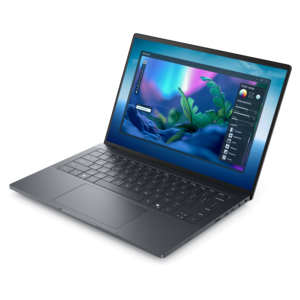
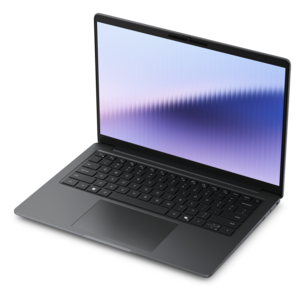
A sleek, high-performance laptop featuring advanced on-device AI for productive workflows wherever you go.
A thin 2-in-1 laptop powered by AMD Ryzen AI PRO 400 Series processors for versatile performance.
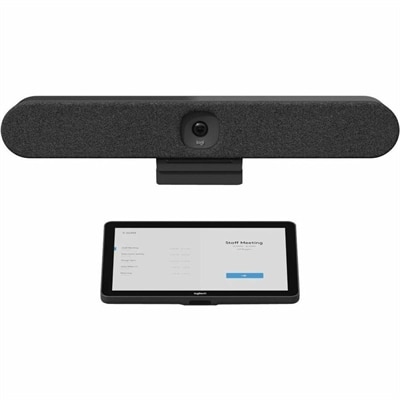
An all-in-one video bar with AI intelligence, sound pickup, and noise suppression for small meeting rooms.
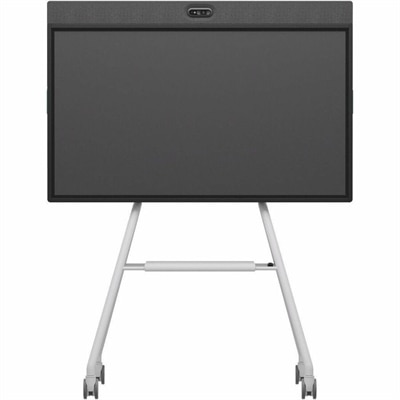
An all-in-one mobile conferencing system with touchscreen collaboration, AI-powered audio/video, recycled plastic, and lockable cart.
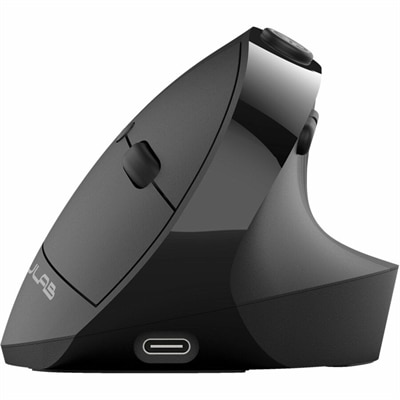
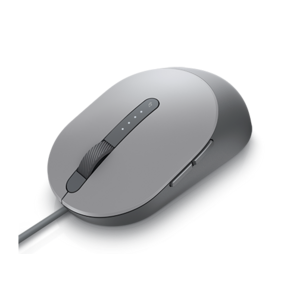
An ergonomic vertical mouse with seven silent buttons, Bluetooth/USB connectivity, and rechargeable four-month battery life.
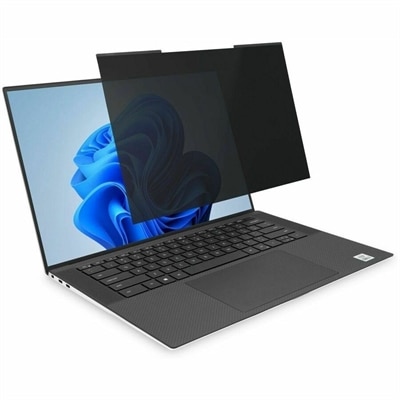
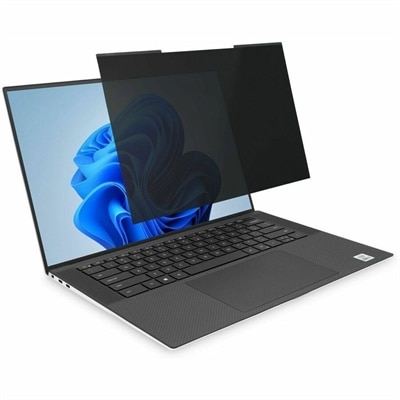
A magnetic privacy filter with ±30° viewing, blue-light reduction, and reversible matte or glossy sides.
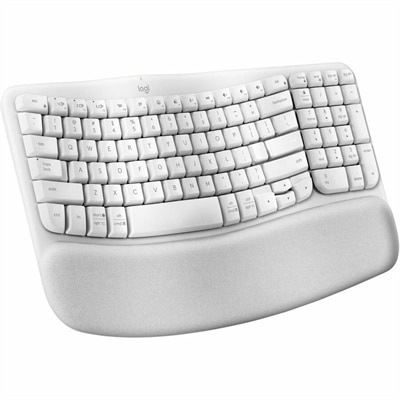
An off-white wireless ergonomic keyboard with memory-foam wrist support, Bluetooth, Logi Bolt, and recycled plastic.
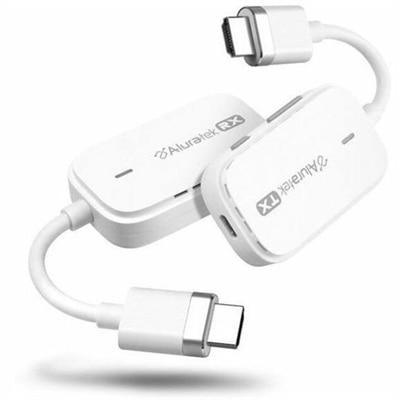
A plug-and-play wireless HDMI kit supporting Full HD 1080p streaming up to 100 feet.
A magnetic privacy filter with ±30° viewing, blue-light reduction, glare control, and matte or glossy sides.
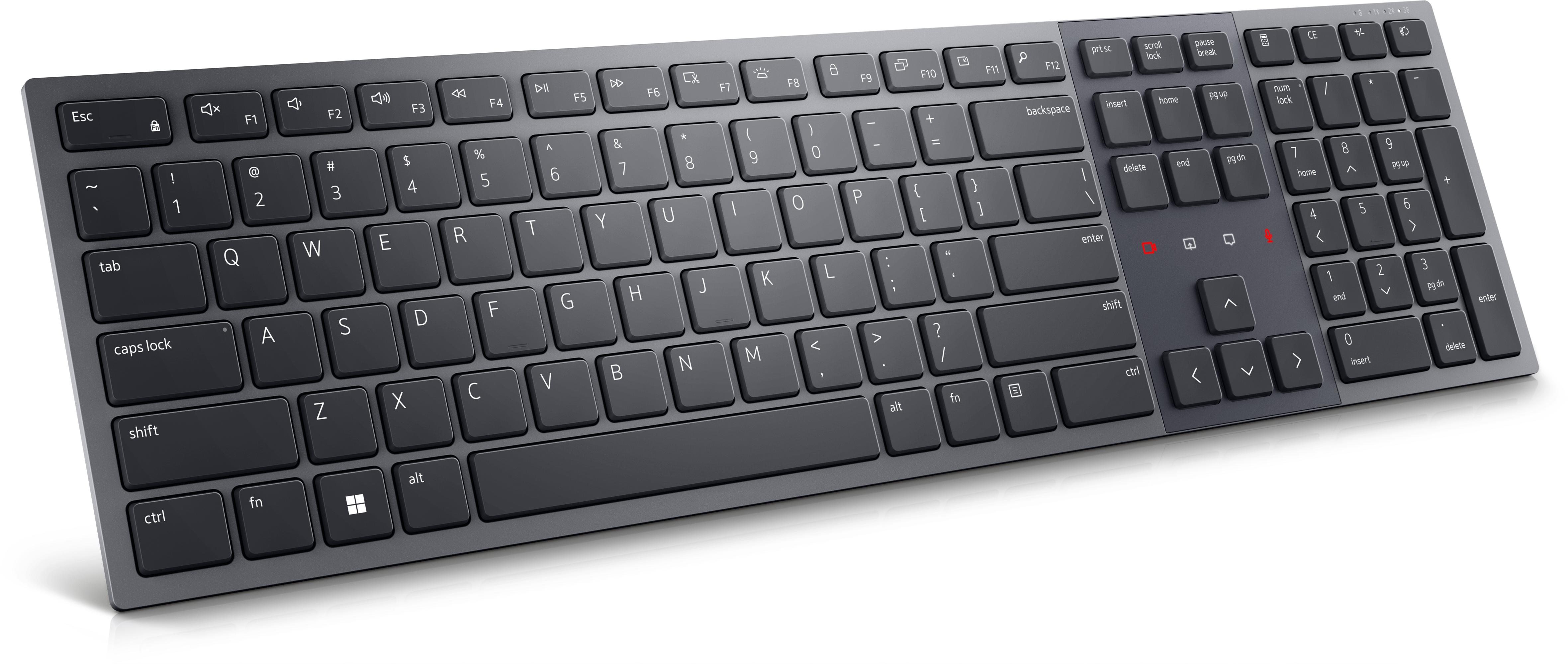
A Zoom-certified rechargeable keyboard designed for seamless collaboration, enhanced productivity, and all-day typing comfort.
A portable 7-in-1 USB-C hub offering fast charging and versatile connectivity for modern professionals.
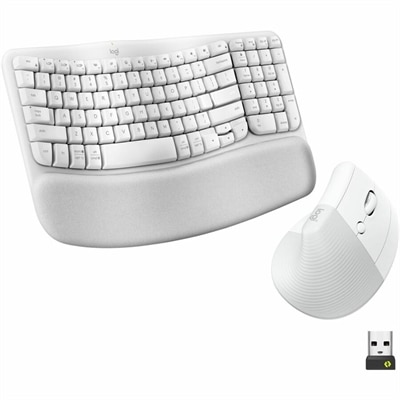
An off-white ergonomic wireless keyboard and vertical mouse combo with cushioned palm rest, Bluetooth, multi-OS support.
Hybrid work technology brings together the devices and accessories that help people stay productive when their workday moves between a home office, a shared workplace and other locations. Rather than depending on one fixed desk, hybrid employees may use a portable computer for focused work, a larger display for detailed projects, and comfortable input accessories for longer sessions. The right setup can make the transition between locations feel almost effortless: a computer travels in a bag, a display creates a spacious workspace at home, and a reliable keyboard, mouse or headset helps maintain focus when the surrounding environment changes. These products can support employees who divide their time between home and an office, business owners managing flexible schedules, students balancing coursework with part-time work, and households that share a workspace during the cooler months. They can also be thoughtful gifts for graduates, new employees, freelancers or family members preparing a home office, particularly when the gift reflects how the recipient actually works. Someone who spends the day reviewing documents may appreciate a spacious screen, while a frequent traveler may value a lightweight computer and compact accessories that fit neatly beside a notebook and charger.
When choosing hybrid work technology, start with the rhythm of the workday rather than a single specification. A person who moves from room to room may benefit from a portable design, long battery life and easy connectivity, while someone who works primarily at home may prefer a desktop setup with a generous display area and accessories positioned for comfort. Screen size, resolution, adjustability and eye comfort can matter during hours spent reading spreadsheets, editing images or attending virtual meetings. A keyboard with a familiar layout and a mouse that feels natural in the hand can reduce daily friction, especially when work involves writing, navigation or repetitive tasks. Headsets and other audio accessories can help separate a meeting from household activity, while a camera and microphone setup can make face-to-face communication feel more natural for distributed teams. It is also worth considering the available ports, charging needs and compatibility across computers and displays so that moving from one workspace to another does not require a tangle of adapters. For a broader look at devices and accessories that support flexible routines, explore Work From Home Technology. A well-matched setup should fit the user’s space, work habits and comfort preferences, not simply add more equipment to the desk.
Hybrid work technology also supports the shared practices that keep teams connected across locations. Video meetings, instant communication, collaborative documents and project tracking allow employees to exchange ideas, review progress and stay aligned even when they are not in the same room. A clear display can make charts, designs and documents easier to examine, while dependable audio helps conversations remain productive when colleagues are spread across cities or time zones. Cloud-based file access can keep current documents available from approved devices, and shared workspaces can provide a central place for assignments, notes and deadlines. Secure sign-in practices, multifactor authentication and careful software updates are important complements to the physical setup, particularly when work takes place beyond a traditional office. In a home environment, placement matters as much as performance: a monitor near natural light may reduce glare, a headset can create a sense of privacy in an active household, and a compact desktop arrangement can preserve room for meals, hobbies or family time. During the transition between warmer and cooler seasons, flexible technology can make it easier to move a workspace to a quieter room or adjust the setup around changing routines. Whether outfitting one person, refreshing a shared office or preparing a practical gift, the best hybrid work technology combines portability, comfort, compatibility and dependable everyday performance.
Add the products you would like to compare, and quickly determine which is best for your needs.