Intel Gaming Laptops
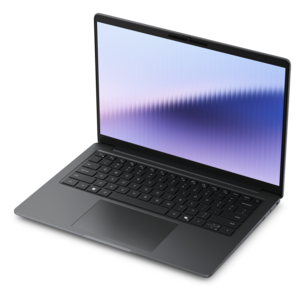
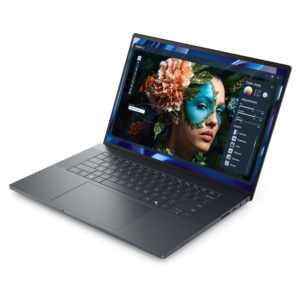
Elevate your play with intel gaming laptops, designed to deliver the performance and responsiveness gamers demand. Whether you're seeking smooth gameplay, immersive graphics, or the speed to keep up with the latest titles, you'll find a range of options tailored to fit your needs. Explore our selection of intel gaming laptops and discover powerful machines built for every level of gamer.
This product is not available
Check out the following recommendations.
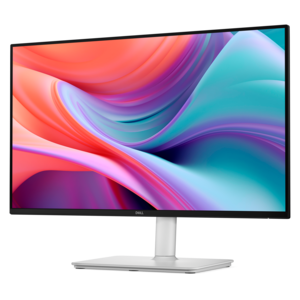

Intel Gaming Laptops
Intel gaming laptops bring together the responsive performance of Intel processors and the visual power needed for modern PC games in a portable format. Unlike a basic everyday notebook, a gaming laptop is designed to handle demanding workloads such as competitive play, open-world adventures, creative software, streaming, and multitasking with multiple applications open at once. When comparing models, begin with the processor because it manages game logic, background tasks, frame-rate consistency, and everyday responsiveness. Intel Core processors are available in a range of performance levels, while Intel Core Ultra options can provide a balanced combination of processing power, graphics capabilities, and efficiency for people who use one laptop for both work and play. Higher-performance HX-class chips are well suited to demanding games and intensive applications, especially when paired with ample memory and a dedicated graphics processor. A laptop with at least 16GB of RAM is a practical starting point for current gaming, while 32GB can offer additional room for streaming, content creation, large game worlds, and heavy multitasking. Storage matters as well: a solid-state drive helps games launch quickly, shortens loading screens, and keeps the overall experience feeling responsive. Capacity should reflect the size of the game library, since modern titles can occupy a substantial amount of space. For shoppers comparing graphics-focused computers, Discrete Graphics Laptops can provide useful context when evaluating the difference between integrated graphics and a dedicated GPU. A dedicated NVIDIA GeForce RTX graphics solution can support higher settings, sharper detail, ray tracing effects, and AI-assisted upscaling in compatible games. The right combination depends on the types of games being played: fast-paced competitive titles benefit from high frame rates and quick response, while cinematic role-playing and simulation games may place greater emphasis on resolution, texture quality, and visual effects.
The display is one of the most noticeable differences between a gaming laptop and a conventional portable computer. Screen sizes around 15 or 16 inches offer a comfortable middle ground, giving games enough room to feel immersive without making the laptop difficult to carry between rooms, classes, offices, or travel destinations. Smaller displays can be appealing for commuters and people who value a lighter footprint, while larger screens provide a broader view for strategy games, creative work, and split-screen productivity. Resolution, refresh rate, response time, brightness, and panel technology all shape the experience. A high refresh rate can make movement appear smoother and help fast reactions feel more immediate, while a quick response time can reduce distracting blur during rapid camera movement. A brighter panel with strong contrast is helpful when gaming in rooms with changing daylight, and accurate color reproduction matters for photo editing, video work, and streaming. Connectivity should not be overlooked. Multiple USB ports make it easier to connect a mouse, controller, headset, external drive, or other accessories without constantly swapping cables. HDMI or other display connections can support a larger monitor for desk-based play, and wireless connectivity helps reduce clutter. Keyboard design also influences comfort over long sessions. Look for clear key spacing, dependable travel, useful shortcut controls, and backlighting that makes keys easier to see in a dim room. A comfortable touchpad is valuable for everyday navigation, even if a gaming mouse will be the preferred choice for play. Audio quality, microphone support, webcam resolution, and a sturdy hinge can matter just as much for students, remote workers, and streamers who expect their laptop to serve as an all-purpose computer.
Gaming performance generates heat, so cooling design deserves the same attention as processor and graphics specifications. Larger vents, multiple fans, heat pipes, and vapor-chamber systems can help move heat away from key components during extended sessions. Fan noise is normal when a laptop is working hard, but a thoughtful design can help balance temperature, acoustics, and performance. A well-built chassis should feel stable on a desk and remain practical to carry in a backpack, with the understanding that the most powerful configurations may be heavier and have shorter battery life than thinner everyday notebooks. Battery performance varies widely according to screen brightness, game settings, wireless activity, and whether the dedicated graphics processor is active. Gaming is generally best performed while connected to power, while battery operation is more suitable for browsing, documents, video, and lighter games. For that reason, consider where the laptop will be used most often: a permanent desk setup may favor a larger display, stronger cooling, and maximum graphics capability, whereas a student or frequent traveler may prefer a more compact design with balanced performance. Accessories can complete the setup, from a responsive mouse and comfortable headset to a cooling stand, external monitor, or controller. Intel gaming laptops can make thoughtful gifts for a college student, a family member building a first PC gaming library, or an experienced player looking for a portable replacement for a desktop system. They are also useful beyond gaming, supporting school projects, coding, digital art, video editing, virtual meetings, and streaming from a single device. During warmer weather or the cooler months, a laptop can move easily from a home office to a living-room desk or a quiet corner, giving its owner a flexible way to play and work wherever a reliable power connection is available. Focus on the balance between processor class, dedicated graphics, memory, storage, display quality, cooling, portability, and connectivity to find a system that feels capable today and remains enjoyable as games and everyday demands continue to grow.
FAQs:
When choosing an Intel gaming laptop, prioritize a high-performance Intel Core processor (such as i5, i7, or i9), a dedicated graphics card like an NVIDIA GeForce RTX series, at least 16GB of RAM for smooth multitasking, and a high refresh rate display for fluid visuals. Features like advanced cooling, customizable RGB lighting, and low latency mode can further enhance your gaming experience.
Intel gaming laptops are ideal for a wide range of users, including students who need a device for both studies and gaming, professionals who use demanding creative applications, and gamers looking for a portable yet powerful setup. They’re also a great fit for anyone who enjoys streaming, content creation, or participating in competitive online gaming.
RAM plays a significant role in gaming performance by allowing your laptop to handle multiple tasks and process game data efficiently. A 16GB RAM laptop is recommended for modern gaming, as it provides enough memory for smooth gameplay, quick load times, and the ability to run background applications without affecting performance.
Low latency mode is a feature that minimizes the delay between your input (like mouse clicks or key presses) and the corresponding action on screen. This is crucial for competitive gaming, as it ensures faster response times and can give you an edge in fast-paced games where every millisecond counts.
Absolutely. Intel gaming laptops are versatile and powerful enough for a variety of tasks, including video editing, 3D rendering, programming, and running multiple productivity applications. Their robust hardware makes them suitable for both work and play, offering a seamless experience for users with diverse computing needs.