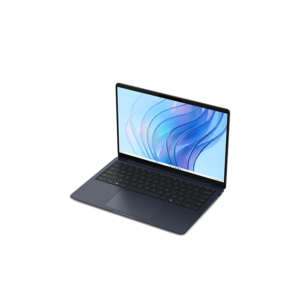
Intel Quad Core Processors
Explore the power and efficiency of Intel Quad Core Processors, designed to elevate your computing experience to new heights. Whether you're a gamer seeking seamless performance, a professional requiring robust multitasking capabilities, or a tech enthusiast eager for cutting-edge innovation, these processors offer the perfect balance of speed and reliability. Discover how Intel's advanced technology can transform your setup, delivering impressive processing power that meets the demands of modern applications.
This product is not available
Check out the following recommendations.


Intel Quad Core Processors
Intel Quad Core Processors contain four independent processing cores on a single chip, allowing a computer to work on several tasks at once instead of relying on one core to handle every operation in sequence. That design remains a practical choice for everyday computing, especially when the system is used for web browsing, email, office applications, online learning, video streaming, photo organization, and light content creation. A quad-core processor can help a computer feel responsive while several browser tabs, documents, music players, and background utilities are open together. The experience depends on more than the number of cores alone, however. Clock speed, processor generation, cache, supported memory, graphics capability, and the design of the complete computer all influence performance. A newer quad-core processor may outperform an older chip with the same core count because improvements in architecture can make each core more efficient. For shoppers comparing options, it is helpful to look at the processor’s specifications alongside the computer’s memory, storage type, display, operating system, and connectivity. These details work together much like the parts of a well-organized desk: a capable processor handles the work, while sufficient memory keeps frequently used information close at hand and fast storage helps applications open with less waiting. Browsers, productivity software, video calls, and streaming services generally run comfortably on a well-balanced quad-core system, making this category suitable for home offices, classrooms, shared family computers, and general household use.
When choosing among Intel Quad Core Processors, start with the tasks that matter most and the amount of multitasking you expect. Someone using a computer for writing, spreadsheets, research, communication, and media playback may find four cores provide an effective balance of capability and efficiency. A student can use a quad-core system for virtual lessons, note-taking, document editing, and research tabs, while a home user might rely on one for managing household records, keeping in touch with friends, viewing photos, and enjoying entertainment during the cooler months. These processors can also suit entry-level gaming when paired with appropriate graphics hardware and enough memory, particularly for less demanding games or modest settings. They are often a sensible option for a first desktop, a replacement for an aging computer, or a practical gift for someone who needs a dependable system for school, work, or personal projects. Before completing a purchase, verify compatibility with the motherboard or computer platform, including the processor socket, firmware support, memory type, and cooling requirements. A processor intended for one platform cannot necessarily be installed in another, and a desktop chip may not be appropriate for a laptop or compact computer. Integrated graphics can be convenient for everyday display output when no separate graphics card is needed, but graphics-intensive games, advanced design applications, and demanding visual work may benefit from more capable graphics hardware. It is also worth considering power requirements and cooling. A compatible cooler, a properly ventilated chassis, and a suitable power supply help maintain consistent performance during longer work sessions, while a quiet, efficient configuration can make a noticeable difference in a bedroom, study, or shared living space.
Four cores are well suited to basic and moderate workloads, but shoppers should keep their expectations aligned with the processor’s capabilities. Modern professional video production, complex three-dimensional rendering, large software builds, scientific calculations, extensive virtual machine use, and high-end gaming can place sustained pressure on every core and may benefit from a processor with more cores, stronger graphics performance, or both. Even within the quad-core category, performance can vary significantly between generations and configurations, so reviewing the full specifications is more useful than judging by core count alone. Check supported operating systems, maximum memory, graphics features, boost behavior, thermal characteristics, and compatibility with the intended computer before making a selection. It is also important to distinguish a processor from the rest of the system: installing a capable CPU will not compensate for too little memory, a slow drive, limited graphics hardware, or an outdated display. For shoppers who want to compare a broader range of options, the Intel Processors collection can provide additional context across different performance levels. A quad-core option can be a thoughtful fit when the goal is dependable everyday computing without paying for capabilities that will remain unused. It can support a calm morning of email and planning, an afternoon of coursework or spreadsheets, and an evening of streaming or casual play in one versatile system. By matching the processor to the software, compatibility requirements, and expected workload, shoppers can choose a computer that feels responsive, stays useful as routines change, and provides a reliable foundation for daily tasks.
FAQs:
Intel quad core processors are ideal for multitasking, everyday productivity, and light creative workloads. They handle web browsing, video streaming, office applications, and even light photo or video editing with ease, making them an excellent choice for students, professionals, and home users seeking responsive performance.
A quad core processor features four independent cores, allowing it to manage more simultaneous tasks than a dual core processor. This means users can run multiple applications, browser tabs, or background processes without experiencing slowdowns, resulting in a smoother, more efficient computing experience.
Yes, Intel quad-core processors provide enough power for casual and light gaming. While they may not match the performance of higher-core-count processors for demanding titles, they deliver a stable and enjoyable experience for popular games with moderate system requirements.
Absolutely. Devices equipped with a quad core processor are well-suited for video conferencing, virtual meetings, and collaborative work. The four cores ensure smooth video calls, efficient multitasking, and reliable performance when using productivity and communication tools.
When selecting a device with an Intel quad core processor, consider your typical usage patterns, desired memory and storage capacity, display quality, and available connectivity options. These factors, combined with the processor’s capabilities, will help ensure the device meets your needs for both current and future applications.