Laptop Touchpads
Laptop touchpads are an essential component for modern computing, offering a seamless and intuitive way to navigate and interact with your device. Whether you're working on important projects, browsing the web, or enjoying multimedia content, a high-quality touchpad can significantly enhance your user experience. With advancements in technology, laptop touchpads have evolved to provide greater precision, responsiveness, and multi-touch gesture support. Explore our range of laptop touchpads designed to meet the diverse needs of professionals, students, and casual users alike.
This product is not available
Check out the following recommendations.

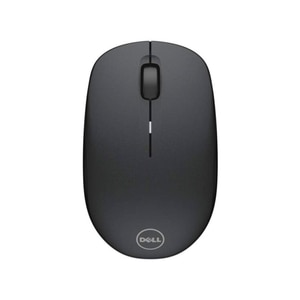

Laptop Touchpads
Laptop touchpads provide a convenient way to control a laptop without carrying a separate mouse. Built into the palm rest, a touchpad uses a touch-sensitive surface to detect finger movement and translate it into cursor movement on the screen. A light tap typically selects an item, while a firmer press or a click near the lower edge can open menus, confirm commands, or move files, depending on the computer’s settings. Many modern touchpads also support multitouch gestures that make everyday navigation feel quick and natural. Slide two fingers vertically to scroll through a document or webpage, or move two fingers from side to side to view wide spreadsheets, photographs, and timelines. Pinch two fingers together to zoom out and spread them apart to zoom in, which is especially useful when reviewing maps, design details, or small text. Three-finger gestures can help switch between open applications, display all open windows, or reveal the desktop, while four-finger gestures may offer additional workspace controls on supported systems. Because touchpads are always close at hand, they are helpful for students moving between classrooms, professionals working from cafés or shared spaces, travelers using a compact setup, and anyone who prefers a clean desk with fewer accessories. They can also be a thoughtful addition for someone setting up a laptop for school, remote work, creative projects, or everyday household use. To explore related ways to navigate and interact with a computer, visit Laptop Input Devices.
When choosing a laptop touchpad experience, consider the size of the surface, the feel of the finish, the responsiveness of the clicks, and the gestures supported by the laptop’s operating system. A broader touchpad gives fingers more room to move across a page without repeatedly lifting and repositioning them, which can be valuable for long writing sessions, editing, research, and spreadsheet work. Smooth glass-like surfaces often allow fingers to glide easily, while other finishes may provide more texture and control. Click pressure matters as well. Some users prefer a distinct physical click that confirms an action, while others favor a quiet, light touch for shared workspaces, libraries, or late-night use. Look for a touchpad that responds consistently near every edge and corner, registers taps without requiring excessive pressure, and supports precise pointer movement when selecting small icons or placing a cursor within text. Palm rejection is another useful consideration because it helps prevent an accidental brush of the hand from moving the pointer while typing. Sensitivity controls, scrolling direction, tap-to-click, drag behavior, and gesture settings can often be adjusted in the laptop’s system preferences. A person with smaller hands may appreciate a surface that responds to short, controlled movements, while someone who frequently edits images, navigates large documents, or works with multiple windows may value generous dimensions and reliable multitouch support. Touchpads are also practical for people who travel frequently or work from different rooms during the cooler months, since there is no separate item to pack, connect, or find space for beside the laptop.
If a touchpad does not behave as expected, begin with simple checks. Confirm that it has not been disabled through a keyboard shortcut or the laptop’s touchpad settings; many computers include a function-key command that turns the touchpad on or off. Clean the surface with a soft, dry cloth to remove dust, skin oils, or moisture that may interfere with smooth tracking, and make sure fingers are dry before testing it again. Restarting the laptop can clear a temporary software issue, particularly after an update or after the computer has been waking from sleep. If the cursor remains frozen, moves unevenly, or fails to respond to taps and gestures, review the installed touchpad and chipset drivers through the computer manufacturer’s official support resources. Driver problems, incorrect settings, and conflicts involving the I2C HID device can prevent a touchpad from working even when the hardware itself is intact; reinstalling or updating the appropriate drivers may restore normal operation. Check whether the issue affects only one gesture or every type of input, since a disabled multitouch setting is different from a complete loss of cursor movement. If the touchpad is physically swollen, cracked, unusually warm, or difficult to click, stop using the laptop and seek qualified service rather than pressing on the surface. For a comfortable setup, keep the laptop on a stable, level surface, position the screen so the neck and shoulders can relax, and use a gentle touch instead of pressing forcefully. With a responsive touchpad and a few adjusted settings, browsing, writing, organizing files, joining video calls, and moving between applications can feel fluid whether the laptop is used at a desk, on a kitchen table, or from a quiet corner at home.
FAQs:
For everyday use, prioritize a laptop touchpad with multi-touch gesture support, adjustable sensitivity settings, palm rejection technology, and a smooth, responsive surface. These features make navigation, scrolling, and switching between applications more intuitive and comfortable during extended periods of use.
You can customize gestures on your Dell laptop touchpad by navigating to the Windows Settings menu, selecting 'Bluetooth & devices,' then 'Touchpad.' Here, you can assign specific actions to multi-finger gestures, adjust sensitivity, and enable or disable tap-to-click according to your preferences.
Students, professionals, and creative users benefit greatly from a precision laptop touchpad. It offers accurate tracking and gesture support for multitasking, editing, and navigating complex documents, making it ideal for people who rely on their laptops for productivity and creativity.
Yes, many laptops allow you to use an external mouse while keeping the laptop touchpad enabled. You can adjust this setting in the touchpad configuration menu, ensuring both input devices are available for use at your convenience.
A standard touchpad offers basic cursor movement and limited gesture support, while a precision touchpad integrates more closely with Windows, providing smoother, more responsive tracking and a wider range of customizable gestures. Precision touchpads are generally preferred for their enhanced usability and customization options.