$629.99
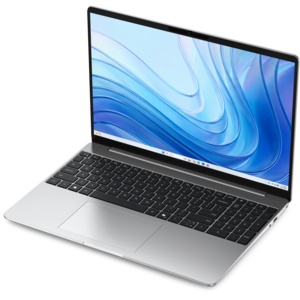
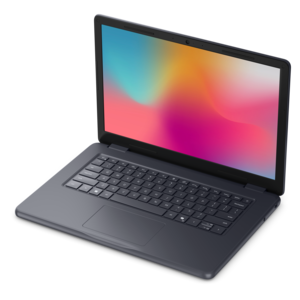
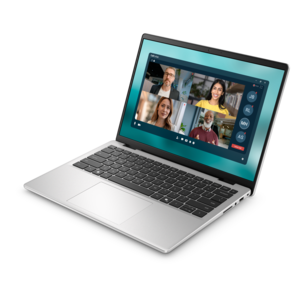
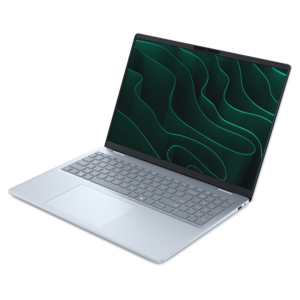
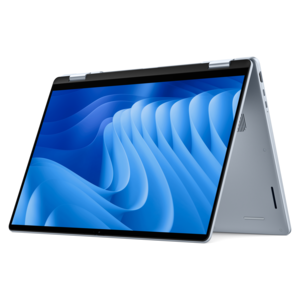
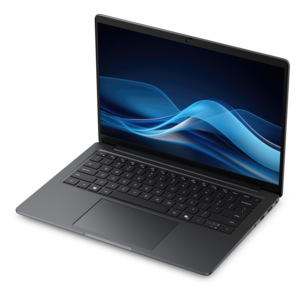
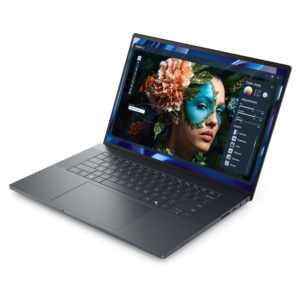
A laptop featuring an FHD camera, enlarged ergonomic keyboard, and AMD Ryzen™ processing.
Elevate your creative projects with laptops for editing, designed to meet the demands of video editors, photographers, and digital artists alike. Whether you're crafting stunning visuals or fine-tuning audio tracks, these laptops offer the power and performance needed to handle complex software and large files effortlessly. Dive into a seamless editing experience that keeps pace with your creativity, ensuring you can focus on bringing your vision to life without interruption. Explore a range of options that combine cutting-edge technology with sleek design, making them perfect companions for both professional studios and on-the-go creativity.
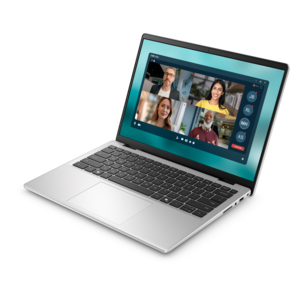
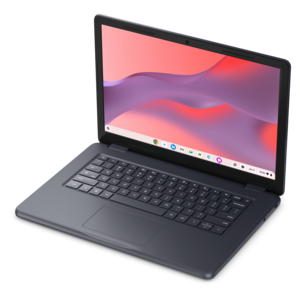
A laptop featuring an FHD camera, enlarged ergonomic keyboard, and AMD Ryzen™ processing.
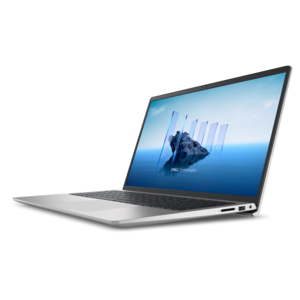
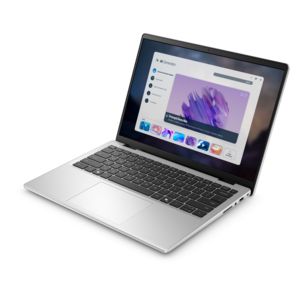
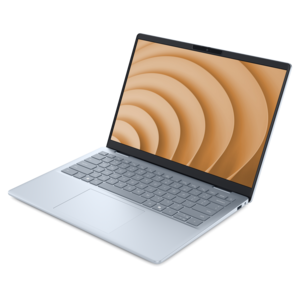
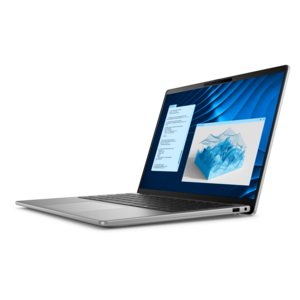
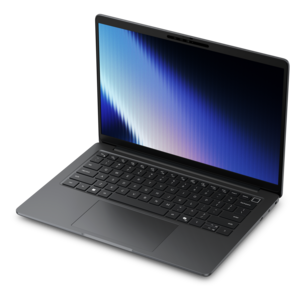
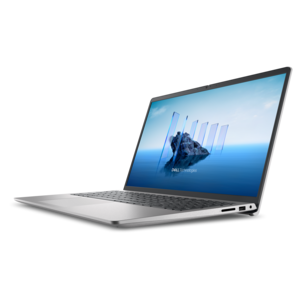
A thin, lightweight laptop crafted from eco-friendly materials with Series 3 Intel Core processors for productivity.
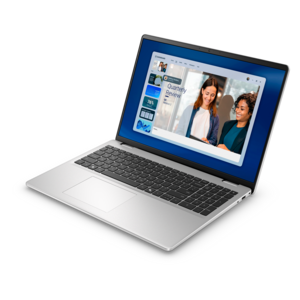
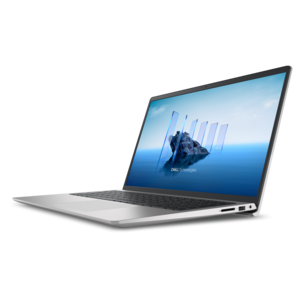
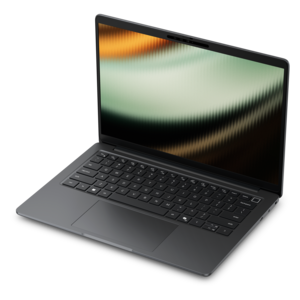
A modern laptop powered by AMD Ryzen™ processors for effortless productivity and captivating entertainment.
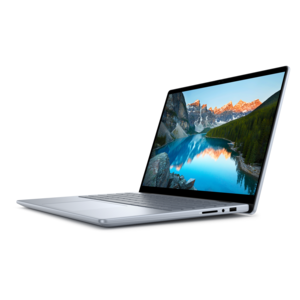
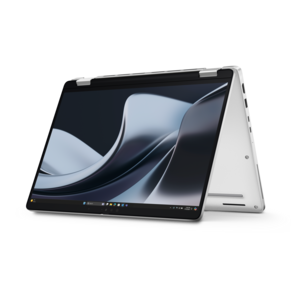
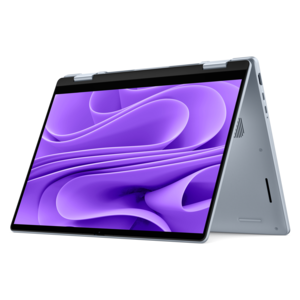
A versatile 2-in-1 laptop with Intel Core processors, DDR5 memory, and multiple modes for creative work.
A laptop featuring an FHD camera, enlarged ergonomic keyboard, and Intel 13th Gen processors.
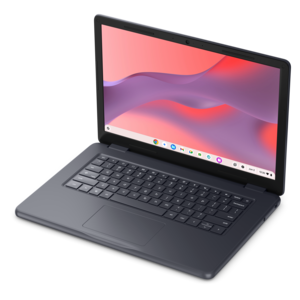
A durable, serviceable laptop designed specifically for demanding education environments.
A portable laptop with a sleek design, 16:10 display, and AI PC options for productivity anywhere.
A durable productivity laptop featuring an expansive 16:10 display and convenient numeric keypad.
A sleek, portable laptop with an expansive 16:10 display for reliable productivity anywhere.
A slim, lightweight laptop with Intel® Core™ processors and graphics for productive work anywhere.
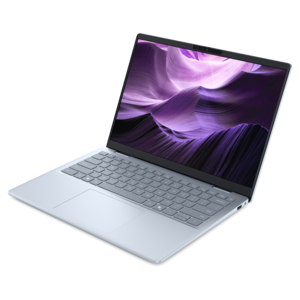
A lightweight AI-powered laptop designed for creative professionals and small businesses.
A lightweight AI-powered laptop with Intel Arc graphics, ideal for creative professionals and small businesses.
A modern laptop with Intel Core processors and graphics for effortless productivity and captivating entertainment.
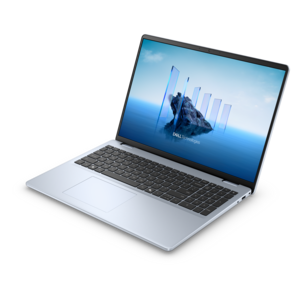
An AI-ready laptop with a spacious display, designed for creators and developers seeking high performance.
A sleek laptop delivering smooth AI experiences and accelerated creative workflows for demanding high-performance users.
A remarkably thin and lightweight laptop designed for ultimate mobility.
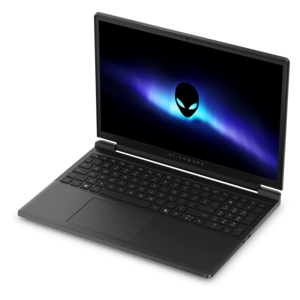
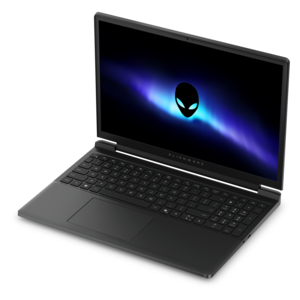
A gaming laptop powered by AMD Ryzen 200 Series processors and NVIDIA GeForce RTX laptop graphics.
A versatile 2-in-1 laptop with built-in AI and a spacious display for creative work.
A secure, scalable commercial AI laptop featuring a sleek, durable aluminum body and productivity-focused display.
A high-performance professional laptop with on-device AI and exceptional battery life for unplugged productivity.
A remarkably thin laptop powered by AMD Ryzen AI PRO 400 Series processors for professional performance.
A powerful gaming laptop with Intel Core processors and NVIDIA GeForce RTX graphics for immersive gaming.
A remarkably thin professional laptop combining portability and performance with Intel Core Ultra Series 3 processors.
A productivity-focused Copilot+ PC powered by a capable AMD CPU, GPU and NPU combination.
Laptops for editing bring creative work into a flexible, portable workspace, whether the task involves trimming video, refining photographs, producing podcasts, designing graphics, or preparing content for school and work. The right model can make a noticeable difference when a project includes high-resolution footage, layered images, multiple audio tracks, or demanding visual effects. A responsive multi-core processor helps manage editing applications and background tasks, while a capable graphics processor can accelerate playback, color adjustments, transitions, effects, and exports. For everyday photo editing, short-form video, and lighter creative projects, a well-balanced laptop with modern processing power may provide a smooth experience without unnecessary bulk. More involved 4K workflows, long timelines, advanced motion graphics, and complex compositions benefit from higher-performance configurations with dedicated graphics and stronger cooling. This collection of laptops for editing is designed to help shoppers compare options by looking beyond a single specification. Consider the kind of files you create, the resolution of your source material, the applications you use, and the length of your typical projects. Someone editing travel clips at a kitchen table may value quiet operation, a comfortable keyboard, and an easy-to-carry design, while a freelance creator working with large media libraries may prioritize sustained performance, generous storage, and a display suited to careful visual review. A student building a portfolio, a photographer organizing a growing archive, a content creator recording in different locations, or a family member receiving a laptop as a thoughtful gift can all benefit from a system matched to their creative habits rather than simply the highest specification available.
Memory and storage deserve particular attention when choosing a laptop for editing. As a general starting point, 16GB of RAM can support basic editing and moderate multitasking, but 32GB or more is strongly suited to 4K video, large photo libraries, layered design files, and projects that combine several demanding applications. Additional memory helps keep a timeline, source files, previews, browser tabs, and other tools available without constant slowdowns. A fast solid-state drive can shorten startup times, open large files more quickly, and make application loading and project navigation feel more immediate than older storage technologies. Capacity matters just as much as speed: high-resolution video consumes space quickly, and keeping active projects, cache files, audio, and exported versions on the internal drive can require more room than expected. Shoppers who work with extensive footage may also appreciate fast, compatible external storage for archiving completed work, but the laptop itself should still have enough capacity for current projects and the applications used every day. Processor performance is another important consideration. Higher core counts can help with encoding, rendering, batch adjustments, and multitasking, while efficient mobile processors can balance performance with battery life during lighter work. A dedicated graphics processor is especially useful for real-time previews, GPU-accelerated effects, 3D work, and faster exports, although the best configuration depends on the editing software and file formats involved. It is also worth checking support for the codecs, resolutions, and color workflows used most often. Hardware that handles high-resolution footage smoothly can reduce the familiar experience of watching a preview pause, stutter, or switch to a lower-quality view just when precise timing matters.
The display is part of the editing toolkit, not merely a surface for opening applications. A high-resolution screen can make fine details easier to inspect, while broad color coverage and reliable color accuracy help images and video appear closer to the intended result. Brightness, contrast, viewing angles, and a comfortable screen size all affect long sessions, particularly when reviewing shadows, skin tones, gradients, or small design elements. A larger display gives timelines and tool panels more breathing room; a compact model is easier to carry between a home office, classroom, studio, and shared workspace. Some shoppers may prefer a convertible design or touchscreen for sketching, annotating, reviewing, or presenting work, while others may value a traditional hinge, full-size keyboard, or spacious touchpad. Battery life can be important for location shoots, travel, campus use, and editing away from an outlet, though demanding rendering and export tasks typically draw more power than browsing or document work. Look for practical connectivity as well, including ports that support external displays, card readers, audio equipment, cameras, and other accessories used in a creative setup. A sturdy build, comfortable ergonomics, and effective cooling can make a difference during extended sessions, especially when a project must be completed in a warm room or during the cooler months when work shifts between different spaces. Those who want one laptop for creative editing and graphically demanding entertainment can also explore Laptops For Video Editing And Gaming for configurations suited to both uses. By comparing processing power, graphics capability, memory, solid-state storage, display quality, battery expectations, and portability together, shoppers can select a laptop that feels ready for the way they actually create—whether that means polishing a short film, preparing a photo collection, recording a class project, or turning a folder of everyday moments into something worth sharing.
Add the products you would like to compare, and quickly determine which is best for your needs.