$1995.00
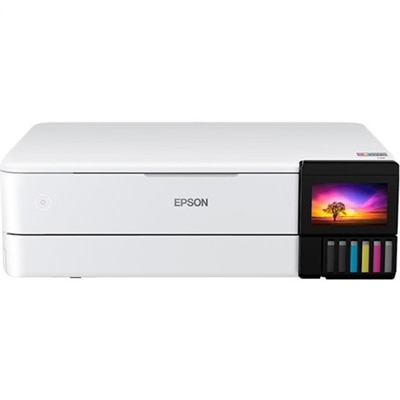
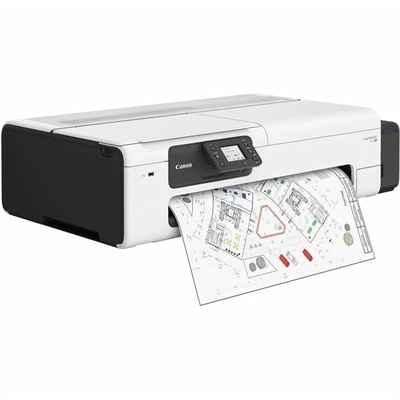
A productive wireless wide-format color inkjet printer delivering durable, vibrant prints with touchscreen control and advanced security.
Large format commercial printers are essential for businesses looking to produce high-impact graphics, signage, and professional-quality prints on a larger scale. Designed to handle demanding workloads and a variety of media types, these printers offer the versatility and performance needed in today’s fast-paced commercial environments. Explore a wide selection of large format commercial printers to find solutions that can elevate your printing capabilities and support your business growth.
A productive wireless wide-format color inkjet printer delivering durable, vibrant prints with touchscreen control and advanced security.
Large format commercial printers are designed for businesses and creative teams that need to produce graphics, documents and promotional materials wider than a standard office printer can handle. Instead of limiting output to letter- or tabloid-size sheets, these printers work with broad rolls or large individual media, making them suitable for posters, banners, retail signage, trade show graphics, wall murals, window displays, presentation boards, maps and technical drawings. They can also support detailed architectural plans, engineering schematics and construction documents where clean lines and accurate dimensions matter. Print widths commonly begin around 24 inches and extend to 44, 60, 64 inches or more, so choosing the right size starts with understanding the largest finished piece your team expects to produce. A smaller wide-format printer may be a practical fit for office signage, CAD drawings and short-run posters, while a wider model can accommodate large event graphics, vehicle graphics or multiple smaller pieces arranged efficiently across one roll. If vivid, oversized color output is central to your work, explore Large Format Color Printers to compare options suited to visual communications and professional production environments. Consider not only the maximum print width but also the physical footprint, roll diameter, media loading method and clearance needed around the printer. A machine that fits neatly into a planning office may require a very different setup than one intended for a print room, sign shop or shared production area. Roll holders, automatic cutters, take-up reels and dual-roll capability can reduce handling between jobs, particularly when a team moves frequently between coated paper, canvas, vinyl or other specialty media. If the printer will be placed near desks or customer-facing areas, operating noise, ventilation and the time required for routine maintenance deserve attention as well.
Ink and media compatibility have a direct effect on appearance, durability and operating habits. Aqueous ink systems are often well suited to indoor posters, photography, fine art reproductions and detailed CAD output, especially when paired with coated media that brings out smooth tonal transitions and crisp text. Pigment-based inks can provide strong longevity for documents and artwork displayed indoors, while other ink technologies are built for graphics exposed to sunlight, moisture or changing temperatures. Eco-solvent and similar outdoor-oriented systems may be appropriate for vinyl banners, decals and vehicle graphics, and UV-curable systems can print on a broad selection of rigid or flexible materials while producing durable results. The best choice depends on where the finished piece will be displayed, how long it must remain readable and whether lamination or additional finishing will be used. Media selection is equally important: heavyweight poster stock gives a substantial feel for presentations, self-adhesive vinyl supports windows and walls, backlit film helps illuminated displays stand out, and canvas or fine art paper can provide a textured surface for gallery-style work. Check the printer’s supported media thickness, roll core size, surface requirements and drying behavior before committing to a workflow. Color performance also deserves close attention. More ink channels can help create smooth gradients, richer photographs and accurate brand colors, while specialized color options may expand the range of bright or subtle shades a printer can reproduce. Resolution specifications are useful, but they should be considered alongside drop placement, printhead design, color management and the viewing distance of the final graphic. A billboard viewed from across a parking area has different requirements from a detailed floor plan examined at arm’s length. For repeatable results, look for support for standard color profiles, calibration tools and software that can manage scaling, tiling, nesting and border settings without adding unnecessary steps.
Large format commercial printers serve a wide range of users, from architects and engineers working on precise plans to retailers refreshing in-store messaging as displays change with the seasons. Marketing departments may use them for campaign posters, directional signs and conference graphics, while schools, universities, museums and public agencies can produce maps, educational displays and notices in-house. Photographers, artists and designers may value fine detail, broad color range and compatibility with premium media, whereas sign makers and event teams may prioritize throughput, outdoor durability and unattended roll printing. A print service provider may need a balance of all these traits, along with dependable software integration and predictable running costs across varied customer orders. Estimate expected monthly volume before choosing a model, since a printer intended for occasional office use may not be comfortable handling a steady production queue. Review advertised print speeds with care, as draft, standard and high-quality modes can differ substantially, and dense graphics typically take longer than line drawings. Features such as automatic nozzle checks, accessible ink replacement, remote status monitoring and clear maintenance instructions can help prevent a small issue from interrupting a deadline. It is also useful to consider connectivity, including wired networking, wireless access where appropriate and compatibility with the design or CAD applications your team already uses. A well-planned setup includes enough room for finished prints to flatten and dry without being bent, scuffed or exposed to dust. As cooler weather brings indoor projects, signage refreshes and presentation deadlines into focus, a large format printer can give teams greater control over timing, customization and quality. The right fit is determined by the relationship between print width, ink type, media needs, color expectations, workload, available space and the skill level of the people who will use it. Evaluating those details together makes it easier to choose equipment that supports everyday office output as well as the occasional oversized project that needs to make a strong visual impression.
Add the products you would like to compare, and quickly determine which is best for your needs.