$56.00
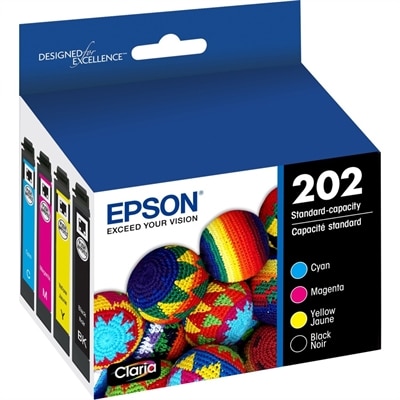
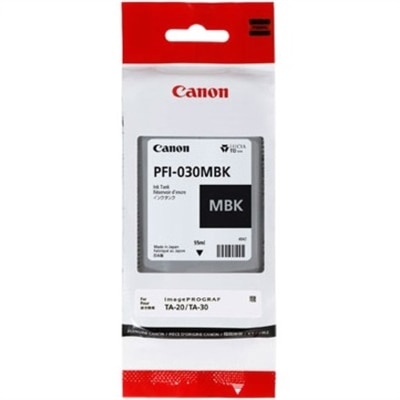
A matte black pigment ink cartridge delivering water-resistant, high-quality prints for compatible large-format printers.
Large format poster printers deliver impressive results for businesses, creative professionals, and organizations seeking high-impact visual displays. Ideal for producing standout posters, marketing materials, and presentations, these printers offer the versatility and capacity needed for larger-than-life projects. Explore a wide selection of large format poster printers to find the perfect solution for your workspace, whether you’re upgrading your office capabilities or enhancing your creative studio.
A matte black pigment ink cartridge delivering water-resistant, high-quality prints for compatible large-format printers.
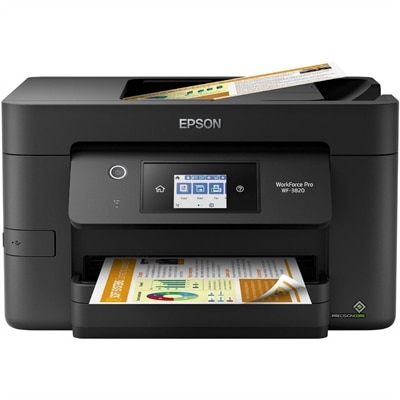
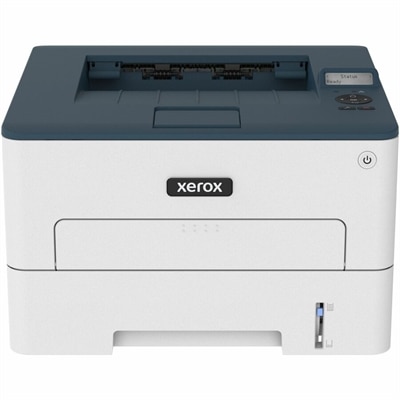
A color laser multifunction printer with wireless connectivity, 26-ppm printing, and an intuitive touchscreen.
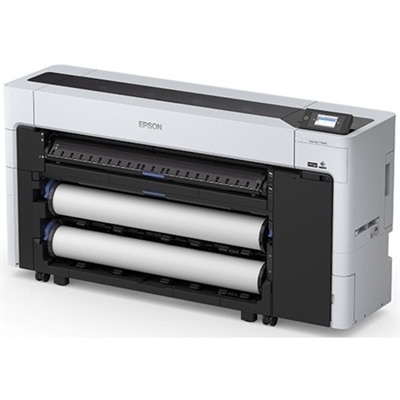
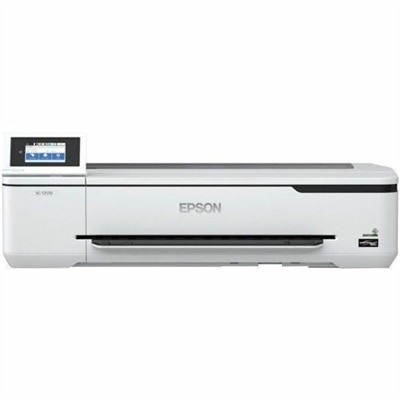
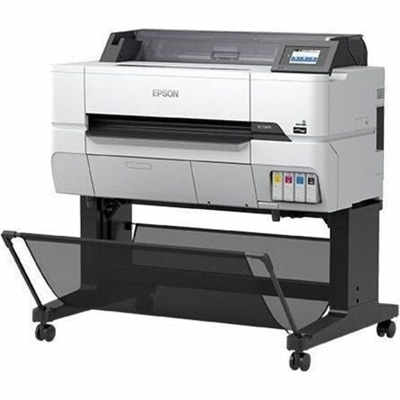
A production inkjet printer delivering vibrant color, precise CAD output, rapid processing, and flexible media support.
Large format poster printers are designed for producing bold, high-resolution graphics at sizes beyond the capabilities of most everyday office printers. Depending on the model, they may support media from approximately 17 or 18 inches wide to more than 100 inches wide, giving businesses, studios, schools and community organizations room to create everything from modest wall posters to expansive displays. Their larger output area is useful when a message needs to be read from across a room, a graphic needs to make an impression in a storefront window or a detailed image must retain its clarity when enlarged. These printers can be used for promotional posters, event signage, retail displays, educational materials, maps, presentation boards, architectural drawings and other visual communications. A design created on a laptop or desktop can become a vivid, room-filling print, while a suitable monitor helps confirm that fine lines, subtle color transitions and small text appear as intended before the final output is produced. Many models are built to work with more than standard paper, including coated poster stock, photo paper, canvas, vinyl and other specialty media. The right choice depends on both the finished look and the environment in which the print will be displayed. A temporary indoor poster may call for lightweight paper and fast output, while a window graphic or sign intended for repeated handling may benefit from a more durable substrate. Before choosing a printer, consider the maximum media width, supported roll or sheet sizes, border limitations and whether the device can accommodate the materials used most often. It is also helpful to think about the available workspace, since a printer that handles wide rolls may need room for loading, cutting and collecting finished prints. For a broader selection of equipment intended for oversized visual materials, explore Large Format Graphic Printers.
Print quality is another important consideration, particularly when posters include photographs, gradients, fine typography or detailed illustrations. Look for specifications that describe resolution, color capabilities, ink technology and the number of ink channels, while remembering that the final result also depends on the media profile and the design file. A printer with strong color accuracy can help a photographer reproduce a carefully edited image, allow a museum or gallery to create exhibition graphics with confidence, or help a marketing team maintain consistent visual identity across a series of displays. If the work includes technical drawings, floor plans or maps, sharp line definition and precise scaling may matter more than photographic color range. For posters that will be viewed at close range, fine detail and smooth tonal transitions can make the difference between a polished presentation and one that looks visibly enlarged. For graphics intended for hallways, storefronts or meeting spaces, speed and dependable handling may be equally valuable. Estimate how many prints are likely to be produced during a typical project, as occasional use and repeated production place different demands on a printer. A compact model may suit a small office, classroom or home creative space, while a higher-capacity unit may be more practical for a design department, print service, sign shop or organization that produces large quantities internally. Consider the cost and availability of replacement ink, the expected maintenance routine and whether the printer can pause, resume or manage longer print jobs with minimal supervision. Features such as automatic cutting, roll handling, wireless connectivity, wired network compatibility, touchscreen controls and mobile or cloud-enabled workflows can make everyday operation easier, especially when several people prepare files from different computers. Software support matters as well; check compatibility with the applications used for layout, illustration, photography, computer-aided design and document preparation. A straightforward workflow can save considerable time when a poster needs to be revised, resized or reproduced for different spaces.
Large format poster printers serve a wide range of people and projects. A small business might use one to create an entrance sign, product display or seasonal window graphic without sending every job to an outside provider. A school or university can print campus maps, classroom visuals, research presentations and artwork for common areas. Event organizers may produce directional signs, schedules and sponsor graphics, while artists and photographers can use specialty media to make gallery-quality enlargements or portfolio pieces. Designers and architects may value accurate linework for drawings and plans, and real estate professionals can create property boards or neighborhood maps that are easy to read during presentations. They can also be useful in community centers, libraries, makerspaces and print rooms where multiple users need to produce visual materials in different sizes. When planning a purchase, measure the area where the printer will be installed, account for ventilation and access around the machine, and determine how finished prints will be stored or displayed. If posters will be mounted, laminated, framed or trimmed, leave enough room for those steps and choose media that works with the finishing method. A practical test file can reveal how a printer handles the specific combination of image detail, text, colors and paper that matters to your work. It is also wise to review setup requirements, supported operating systems, warranty coverage and available technical assistance. During the cooler months and throughout changing indoor schedules, large posters can refresh a lobby, classroom, studio or retail space with clear information and strong visual impact. With the right combination of print width, media support, color performance, workflow features and long-term operating considerations, a large format poster printer can turn digital designs into durable, professional displays suited to everyday communication and creative work.
Add the products you would like to compare, and quickly determine which is best for your needs.