$399.99
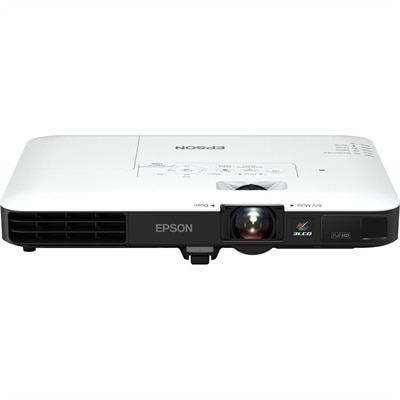
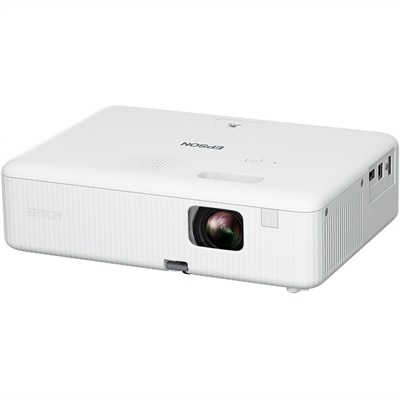
A portable WXGA 3LCD projector delivering 3,000 lumens, 378-inch images, HDMI connectivity, and easy keystone correction.
LCD projectors offer a versatile solution for a wide range of visual presentation needs, whether for business meetings, educational purposes, or home entertainment. With advanced display technology, these projectors deliver vibrant and clear images that enhance any viewing experience. Explore our selection of high-quality LCD projectors designed to meet various requirements and preferences, ensuring you find the perfect match for your specific needs.
A portable WXGA 3LCD projector delivering 3,000 lumens, 378-inch images, HDMI connectivity, and easy keystone correction.
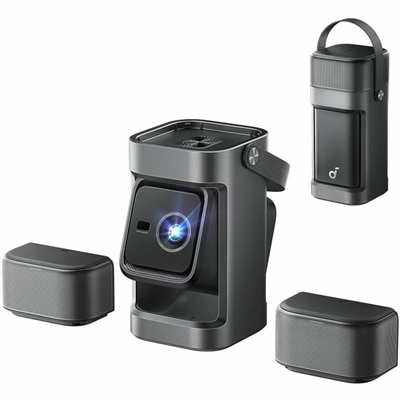
A portable 1080P projector with 650 ANSI lumens, detachable surround speakers, autofocus, and Google TV streaming.
A wireless projector delivering Full HD 1080p resolution, 3,200 lumens, Miracast streaming, and automatic keystone correction.
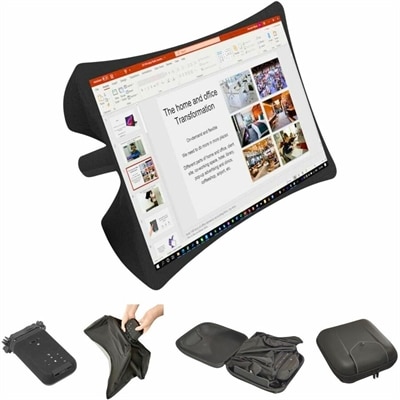
A foldable, rugged projection system with a nanomaterial screen, built-in battery, HDMI and USB-C connectivity.
LCD projectors bring the scale of a cinema, classroom, or presentation room to a wall or screen by turning a digital image into projected light. Inside, a high-intensity lamp or light source sends white light through filters that separate it into red, green, and blue beams. Each beam passes through its own liquid-crystal display panel, where tiny pixels open or close to control the amount of light and color that moves through. A prism combines the three beams into a full-color image before the lens sends it onto a viewing surface. This design is known for bright, true-to-life color and clean, readable text, making LCD projectors useful for more than movie nights. They can display spreadsheets, charts, lesson materials, photographs, sports, games, and streaming content with an image large enough for everyone in the room to see comfortably. A projector can be especially helpful when a television does not provide enough screen area for a group, or when a laptop display feels too small for a presentation. During the cooler months, a living room wall can become a welcoming place for family films, travel photos, or a shared game, while a home office, study area, or multipurpose room can support presentations and remote collaboration without needing a permanent large display.
When comparing LCD projectors, begin with the space where the image will appear and the type of content you expect to show. Brightness matters in rooms with windows, overhead lights, or pale walls that reflect ambient light, while a darker room can make a lower-brightness projector feel more cinematic. Resolution affects how much detail appears in small text, fine lines, photographs, and video; higher resolution is generally valuable for presentations, spreadsheets, design work, and detailed entertainment. Consider the screen size and throw distance as well. Some projectors need to sit several feet from the wall, while short-throw designs can create a large image from a more compact position, which is useful in smaller rooms or spaces where people may walk in front of the lens. Lens shift and keystone correction can help align the picture, although placing the projector as squarely as possible with the screen usually preserves the best image geometry. Check the available connections for compatibility with laptops, streaming devices, game systems, and other home electronics, and look for wireless features when reducing cable clutter is important. Built-in speakers can be convenient for casual viewing, but an external audio setup may provide fuller sound for films, music, or presentations. Portability is another practical consideration: a lighter design can move easily between a desk, conference room, classroom, and living space, while a larger unit may offer stronger brightness, more robust cooling, or additional adjustment options.
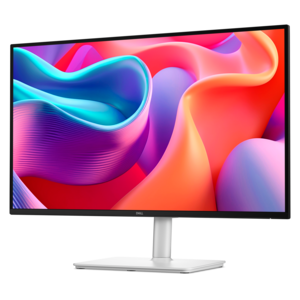
LCD projectors are suited to many kinds of users, from educators explaining a map or science diagram to professionals presenting financial results, project timelines, or training materials. They also work well for community groups, creative workshops, small gatherings, and households that want a flexible alternative to a fixed television. A projector may be a thoughtful gift for someone who enjoys hosting movie evenings, following sports with friends, playing console games, displaying artwork, or sharing vacation images with relatives. For a student, it can support study presentations and collaborative work; for a new homeowner, it can help turn an open room into an adaptable entertainment area without committing to a large wall-mounted display. If touch interaction and close-up collaboration are more important than projection size, a display such as LCD Touchscreen Monitors may complement or better suit the workspace. Before choosing, think about storage, setup time, replacement lamp or light-source life, fan noise, image adjustments, and the condition of the intended projection surface. A smooth white screen usually delivers more consistent results than a textured wall, while a portable screen can make setup easier in rooms that serve several purposes. The best fit balances brightness, resolution, image size, connectivity, sound, and portability with the way the projector will actually be used. A well-matched LCD projector can make a small meeting feel more engaging, give a family room a shared focal point, and bring clear, colorful images to everyday spaces throughout the changing seasons.
Add the products you would like to compare, and quickly determine which is best for your needs.