$149.99
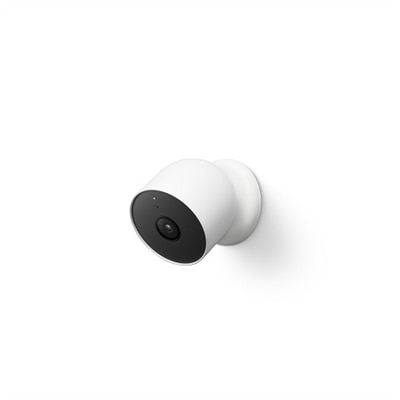
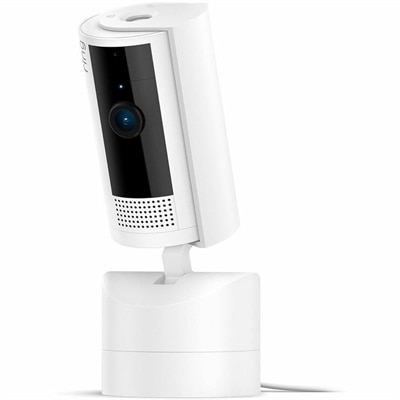
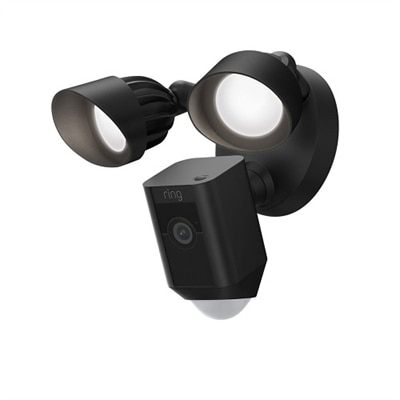
A weatherproof 2K camera with 360-degree coverage, AI auto-tracking, full-color night vision, floodlight, and 24/7 recording.
Long-range WiFi security cameras provide a reliable solution for monitoring larger areas with ease and flexibility. Designed for both home and business environments, these cameras offer the convenience of wireless connectivity, making installation simple and adaptable to various locations. Whether you need to keep an eye on your property, driveway, or backyard, long-range WiFi security cameras help enhance your peace of mind by extending your surveillance coverage beyond traditional limits. Explore a wide selection to find the right fit for your security needs.
A weatherproof 2K camera with 360-degree coverage, AI auto-tracking, full-color night vision, floodlight, and 24/7 recording.
Long range WiFi security cameras are designed for properties where a standard home WiFi connection may not reliably reach every outdoor area. They can help monitor a detached garage, driveway, side gate, garden, workshop, barn, pool area or a distant entrance while keeping video accessible through a connected app or compatible viewing device. Standard WiFi coverage often becomes less dependable as distance increases, especially when the signal must pass through brick, concrete, metal siding, insulated walls, trees or other structures. A camera that works well beside a router may struggle at the far end of a large yard. Long range systems address this challenge through dedicated hubs, extended-range wireless protocols, strategically placed relay equipment or point-to-point wireless bridges. Depending on the technology and property layout, advertised range may extend to approximately 400 feet, 650 feet, 2,000 feet or more in open-air conditions, while specialized WiFi HaLow equipment may reach up to roughly 2,200 feet in clear, unobstructed areas. These figures are useful for comparison, but they are not guarantees. Walls, elevation changes, foliage, nearby wireless signals and the position of the camera or base station can significantly affect actual performance. When comparing long range WiFi security cameras, begin by measuring the real distance from the intended camera location to the hub, bridge or access point rather than relying only on the size of the property. A clear line of sight generally provides the strongest connection, while a camera mounted behind several walls may require a shorter path, an additional access point or a system with a dedicated long-range hub. Some systems use lower-frequency wireless bands, including sub-GHz or 900MHz connections, which can travel farther and pass through certain obstacles more effectively than conventional 2.4GHz or 5GHz WiFi. Others use WiFi HaLow, a low-power networking standard intended for long-distance connected devices. Understanding which connection carries the video is important because a camera may be described as wireless even when its base station still needs to connect to the home network with an Ethernet cable. Check the required hub, bridge, power adapter and mounting hardware before planning installation.
Power is another major consideration for long range WiFi security cameras, particularly when the camera will be installed far from the home. Battery-powered models can simplify placement because they do not require a nearby outlet, but battery life depends on motion activity, recording settings, temperature and the strength of the wireless connection. A distant camera that detects frequent movement may use more power than one facing a quiet side yard. During cooler months, batteries can also drain more quickly, making a low-traffic location, adjustable motion zones and efficient recording options especially valuable. Solar-assisted cameras can reduce the need for routine charging when the panel receives sufficient direct sunlight, although shaded locations and shorter daylight hours may limit performance. Wired power can provide more consistent operation for a fixed installation, but the cable may need weather-resistant protection and professional routing if the camera is mounted across a large property. Look for outdoor-rated construction, secure mounting, night vision, motion detection and a viewing angle suited to the area being monitored. Weather resistance is particularly important for cameras exposed to rain, wind, dust and changing temperatures. Night vision can help identify movement along a dark driveway or fence line, while a wide field of view may cover more ground but can make distant details appear smaller. Higher image resolution can improve recognition at a distance, though clear placement and dependable transmission matter just as much. Consider whether two-way audio, a built-in light, siren, person detection, local recording or cloud storage fits the way the camera will be used. Privacy settings deserve equal attention: aim cameras only at areas you are authorized to monitor, avoid neighboring windows and private spaces, use strong account credentials and enable available encryption and two-factor authentication. For a large property, a simple coverage sketch can prevent blind spots. Mark the home, outbuildings, gates and paths, then note obstructions and available power before choosing camera locations.
These cameras can be useful for homeowners, renters with suitable mounting options, small business operators and anyone responsible for a property with separated buildings or expansive outdoor areas. A family may use one to keep an eye on a long driveway as daylight fades, check whether a package was left at a distant entrance or watch a detached garage without walking across the property. A workshop owner can receive motion notifications near a tool shed, while a small farm or rural property may use long range coverage to observe an equipment area, gate or animal enclosure. They can also be a practical gift for someone moving into a larger home, caring for an older property or improving visibility around a vacation residence, provided the recipient has compatible WiFi equipment and a suitable power source. For a compact living space or a room close to the router, standard Indoor WiFi Security Cameras may be more appropriate, while long range models are intended for locations where distance is the primary challenge. If the required connection extends hundreds of feet or crosses multiple structures, a dedicated hub with an extended-range band may be simpler to manage than trying to stretch a conventional router signal. For very long distances, a point-to-point wireless bridge can connect separate areas, but it generally requires careful alignment, compatible networking equipment and a clear line of sight. Before installation, confirm the manufacturer’s stated range, whether that range is measured indoors or in open air, the maximum number of cameras supported, recording requirements and any ongoing service needed for cloud features. Test the connection from the proposed mounting location before permanently securing the camera, and leave room to adjust its angle after viewing nighttime footage. The best long range WiFi security camera is the one that matches the property’s distance, obstructions, power availability and monitoring habits, delivering dependable coverage without creating a complicated system that is difficult to maintain.
Add the products you would like to compare, and quickly determine which is best for your needs.