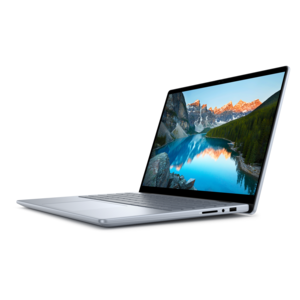
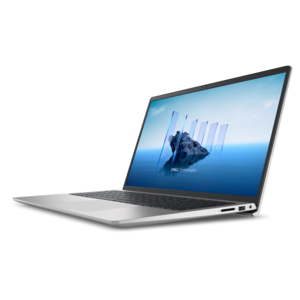
LPDDR5 Laptops
Experience next-level performance and efficiency with LPDDR5 laptops, designed for seamless multitasking and enhanced productivity. Whether you’re working on complex projects, streaming high-definition content, or gaming on the go, these laptops offer a responsive and reliable computing experience. Explore a wide selection of LPDDR5 laptops to find the perfect balance of speed, power, and portability for your everyday needs.
This product is not available
Check out the following recommendations.



LPDDR5 Laptops
LPDDR5 laptops are designed for people who want responsive performance in a thin, portable computer without giving up useful battery life. LPDDR5, short for Low-Power Double Data Rate 5, is a type of system memory that helps a laptop handle active applications, browser tabs, documents, video calls and other everyday tasks. Compared with older low-power memory generations, LPDDR5 can deliver faster data transfer while using less energy, helping a computer stay efficient when it is running away from a wall outlet. Many LPDDR5 configurations reach data rates around 5,400 to 6,400 MT/s, while newer LPDDR5X versions can go higher. MT/s refers to megatransfers per second, a measure of how quickly memory can move data rather than a direct measurement of clock speed. In practical use, fast memory can contribute to smoother multitasking, quicker transitions between applications and a more responsive feel when a capable processor is working through several tasks at once. These benefits are especially useful in lightweight laptops that travel from a kitchen table to a classroom, office, library or airport lounge. LPDDR5 memory is typically soldered directly to the motherboard, which allows manufacturers to create slimmer designs and helps reduce the space and power required by removable memory modules. The trade-off is that it generally cannot be removed, replaced or upgraded later. For that reason, memory capacity deserves careful attention before choosing a laptop. A configuration with 8GB may suit basic browsing, email, writing and streaming, while 16GB offers more breathing room for research, video meetings, spreadsheets, creative applications and a larger collection of open tabs. People who edit photos, work with large files, use demanding professional software or expect to keep a laptop for many years may prefer 32GB or more when available. Choosing enough memory at the beginning is one of the most important considerations for an LPDDR5 laptop because the soldered design makes future expansion unlikely.
When comparing LPDDR5 laptops, consider the entire system rather than focusing on memory speed alone. The processor affects how quickly applications open and how efficiently the computer manages demanding work, while integrated graphics help support video playback, image editing, casual games and high-resolution displays. Storage also plays an important role: a solid-state drive can provide fast startup times, quick file access and a quieter experience than older mechanical storage, but storage capacity determines how many applications, photos, recordings and project files the laptop can hold. A compact drive may be sufficient for cloud-based work, whereas a larger capacity is useful for local media libraries, creative projects or offline travel. Battery size, display brightness, screen resolution and wireless connectivity all influence how long a laptop lasts away from an outlet. A high-resolution screen can make text, photographs and design work look crisp, but it may use more power, particularly at higher brightness. A comfortable keyboard, precise touchpad, webcam quality and microphone performance matter for long writing sessions and remote meetings, while a selection of USB, display and audio ports can reduce the need for adapters. Weight and construction are also worth considering. Someone who carries a laptop between classes or meetings may appreciate a lighter chassis, while a person who spends most of the day at one desk may place greater value on a larger screen and a generous palm rest. LPDDR5 systems are often a strong match for office productivity, education, travel, communication, media streaming and general creative work. They can also support light gaming and demanding applications when paired with suitable processing and graphics hardware, although gaming performance depends on the complete configuration rather than memory alone. Buyers comparing removable DDR5 systems with LPDDR5 designs should understand the difference: standard DDR5 memory may be replaceable in some computers, while LPDDR5 is usually selected as a fixed part of the laptop’s original design. For background on another memory category, visit Dell DDR5 RAM: High-Speed Upgrade.
An LPDDR5 laptop can be a practical choice for a student preparing for a new term, a professional moving between home and office, or a frequent traveler who wants dependable performance in a compact package. It can also make a thoughtful technology gift for someone starting a course, changing roles, building a home workspace or replacing an aging computer, particularly when portability and battery efficiency are more important than extensive internal expansion. A student may use it to keep a lecture stream, notes, reference material and a word processor open together; a professional may move between spreadsheets, presentations, messaging tools and video conferences; and a creative user may appreciate the quick response when organizing photographs or trimming short videos. During warmer weather and through the cooler months, an efficient portable computer can make it easier to work from different rooms, outdoor seating areas or shared spaces without constantly searching for an outlet. Before selecting a configuration, estimate the applications that will be used most often, how many years the laptop should remain useful and whether files will be stored locally or in cloud services. Check the memory capacity first because it is normally not upgradeable, then review processor capability, graphics support and storage to ensure they match the intended workload. Think about the size and brightness of the display, the available ports, webcam features, keyboard comfort, wireless standards and expected battery runtime. A laptop with LPDDR5 memory is not defined by one specification alone; its value comes from the balance of efficient memory, capable processing, suitable storage and a design that fits the owner’s daily routine. With the right capacity chosen at purchase, these laptops can provide a responsive, energy-conscious experience for work, learning, entertainment and personal projects in a portable form.
FAQs:
LPDDR5 RAM laptops offer faster data transfer rates, lower power consumption, and reduced heat output compared to previous generations. This results in longer battery life, quieter operation, and improved overall performance, especially in thin-and-light devices designed for mobility.
LPDDR5 laptops are ideal for students, professionals, and frequent travelers who need a portable device with strong multitasking capabilities and extended battery life. They are particularly well-suited for users who work on the go and require reliable performance throughout the day.
Compared to LPDDR4X, LPDDR5 delivers higher data speeds and better energy efficiency. This means everyday tasks like web browsing, video conferencing, and document editing run more smoothly, and the device remains cooler and lasts longer on a single charge.
Most LPDDR5 laptops have memory that is soldered directly to the motherboard, which means it cannot be upgraded later. It's recommended to choose a configuration with sufficient RAM, such as 16GB LPDDR5, to ensure the laptop meets your needs over time.
LPDDR5 laptops excel at everyday productivity tasks, web browsing, media streaming, and light creative work. Their efficiency and portability make them a great choice for students, remote workers, and anyone who values long battery life and responsive performance in a lightweight package.