
Night Vision Security Cameras

Night vision security cameras offer enhanced peace of mind by providing reliable surveillance in low-light and nighttime conditions. Ideal for both home and business environments, these cameras help ensure that important areas remain visible around the clock. Explore a range of night vision security cameras designed to support your safety needs and deliver clear monitoring even when lighting is limited. Find the right solution to keep your property secure day and night.

Filters

$113.99

A weatherproof 2K camera with 360-degree coverage, AI auto-tracking, full-color night vision, floodlight, and 24/7 recording.
$113.99
$102.99

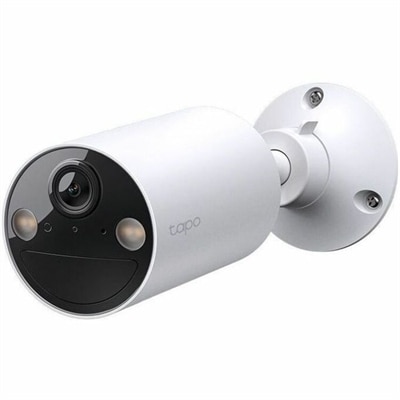
A wire-free indoor/outdoor 2K security camera with color night vision, rechargeable battery and flexible storage.

$102.99

Night Vision Security Cameras

Night vision security cameras capture video after dark using infrared illumination, light-sensitive color sensors, or a combination of both. Infrared night vision can illuminate a scene even in total darkness, within the camera’s effective range. The camera detects infrared light reflected from surfaces and typically produces a black-and-white image without turning on a visible lamp. Color night vision works differently. Some cameras make use of existing light from a porch fixture or streetlight to preserve color, while others use a built-in visible light when the scene would otherwise be too dark. That distinction matters at a front door where the color of a jacket or delivery bag could help tell one visit from another, or along a side yard where visible light would spill into a bedroom window. The amount and direction of light matter as much as whether a camera records in color. A bulb behind a visitor can leave a face in shadow, and a light-sensitive camera may capture a crisp image of an empty walkway but show blur when someone crosses it quickly. The stated night vision range can help match a camera to the space, but it describes how far the camera can illuminate or capture a scene, not necessarily how far away it can record useful facial detail. A wide view can show where someone entered a driveway, while a tighter view of the steps can give a better look at what happened near the door. Mounting height changes that view, too: a camera tucked high under an eave may take in the whole porch but show little more than the top of a visitor’s hat. Glass is another consideration. A camera aimed outdoors from inside a window may capture a usable view during daylight, only to show the reflection of its own infrared lights at night. For an unlit walkway or gate, a camera mounted outside with a clear view avoids that particular problem.

Outdoor night vision security cameras are built for conditions that indoor cameras generally aren’t designed to handle. A weather-resistant housing, sealed cable connections, and a sturdy mounting bracket help protect the camera from windblown rain and dust. UV-resistant plastic can be a practical choice for an exposed wall, while coated metal can provide a rigid housing for a location that sees regular wind or incidental bumps. Weather resistance varies, so an enclosure rating and operating temperature range are more useful than appearance alone when comparing cameras for a sunny garage wall, a covered porch, or a gate that faces freezing winter mornings. Physical fit includes the room needed to swivel the camera into position, route a cable without pinching it, and reach a removable battery without taking down the bracket. A screw mount can keep the view steady on a permanent surface, while renters may prefer a placement that works within their building’s mounting rules. Wireless Home Security Cameras With Night Vision can suit locations where running a data cable would be difficult, provided the Wi-Fi signal is dependable at the mounting point. Wireless connectivity doesn’t always mean cordless power: some cameras need a nearby outlet, while battery-powered designs need access for recharging or replacement. A frequently used entrance can draw down a battery faster than a quiet side gate because the camera wakes and records more often. Once the camera is in place, occasional cleaning can make a noticeable difference in the nighttime picture. A spiderweb that barely shows up by day can glow across the frame under infrared light. Clearing webs and wiping the lens cover with a soft cloth, following the camera’s care instructions, can help restore a clear view. After a storm or a change in seasons, it’s also worth checking that the bracket is still steady and that new growth hasn’t moved into the frame.

How a camera records can matter as much as how well it sees in the dark. At a busy front entrance, motion-based clips can make it easier to find a particular arrival without sorting through hours of footage. For a garage approach or a shared entry, continuous recording can preserve what happened just before motion was detected, though it generally requires more storage and a steady source of power. Notification controls and adjustable motion zones can help keep alerts focused on the steps or gate rather than every passing car or branch moving in the wind. Some cameras store footage locally, while others use online storage or support both. Those options affect how recordings are retrieved and whether footage can be saved when the internet connection drops. For a household with several people coming and going, shared access can make it easier for the right person to check an arrival, while individual permissions can limit who can view or change recordings. The most useful view often covers less, not more: an angle that shows the package drop-off spot and the path to the door may be more helpful than one that takes in the sidewalk and a neighbor’s windows. Audio settings deserve the same attention, particularly near shared spaces where conversations may carry. At home, night vision can help a parent check a late arrival, a pet owner see what set off barking near the back door, or someone who works evenings review a delivery that arrived after dark. A camera can also be a practical housewarming gift when the recipient wants one and can choose how and where it’s installed. Across those uses, the best fit starts with what needs to be visible after dark, whether that’s activity at the far end of a driveway or a clear view of the few feet right outside the door.

FAQs:

Add the products you would like to compare, and quickly determine which is best for your needs.

Add the products you would like to compare, and quickly determine which is best for your needs.