Power Distribution Units
Power distribution units are essential for efficiently managing and distributing electrical power in server rooms, data centers, and a variety of commercial environments. Designed to support reliable energy flow and organization, these solutions help streamline operations and keep vital equipment running smoothly. Explore a wide selection of power distribution units to find the ideal fit for your workspace’s unique power management needs.
This product is not available
Check out the following recommendations.



Power Distribution Units
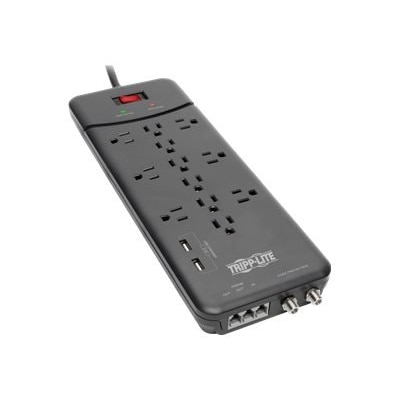
Power Distribution Units, commonly called PDUs, provide an organized way to distribute electricity from a wall outlet, UPS, or other approved power source to several connected devices. They are built for environments where dependable, orderly power connections matter, including home offices, classrooms, creative studios, small businesses, workshops, retail counters, and audiovisual setups. A PDU can help replace a collection of loose power strips with a sturdier, easier-to-manage arrangement, keeping cords grouped and outlets accessible. Depending on the design, a unit may offer multiple AC outlets, a durable housing, an on/off switch, circuit-breaker protection, indicator lights, or mounting hardware for a cabinet, rack, workbench, or wall. Basic models are a practical choice when the main goal is to supply continuous power to computers, monitors, printers, charging accessories, audio equipment, and other electronics from one central connection. They do not increase the amount of electricity available from a circuit, however, so the combined power requirements of connected devices should remain within the limits of the PDU, the outlet, and the building’s electrical system. A licensed electrician can help evaluate circuits or installations where the power demand is substantial, while the device documentation can clarify supported voltage, amperage, plug style, outlet configuration, and operating conditions.
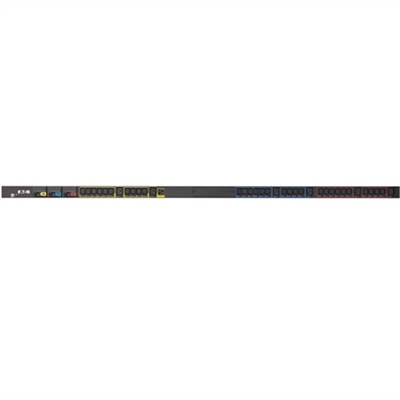
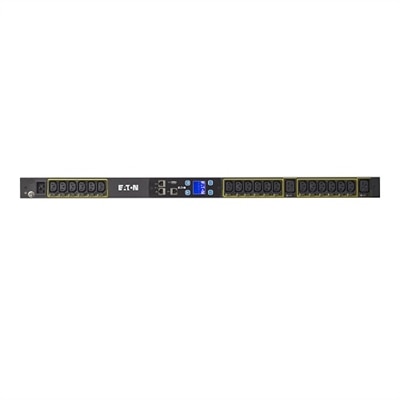
Choosing the right Power Distribution Unit begins with understanding how it will be installed and what will be connected. A horizontal rack-mount PDU generally occupies one or two rack units and can fit across the front or rear of a standard 19-inch rack, while a vertical, or 0U, design mounts along the side or back and preserves horizontal mounting space. For a desk, cabinet, or compact equipment area, overall dimensions and cable reach may matter more than rack compatibility. Count the devices you plan to connect, then leave room for future additions so every outlet is not occupied on the first day. Pay close attention to outlet types and spacing, especially when power adapters have large housings or angled plugs. Common configurations vary by region and application, and a matching connection is essential; adapters should not be used to work around incompatible voltage, grounding, or amperage requirements. Total load capacity is equally important. Add the wattage or amperage shown on each device label, account for equipment that draws more power during startup, and compare the result with the PDU’s rated maximum. A metered model adds a local display or other load information, making it easier to observe current draw and spot an approaching limit. Browse Metered PDUs when visible load information would be useful for maintaining a more deliberate power plan. Some advanced units also support remote monitoring, individual outlet control, scheduled switching, or environmental sensors. These features can be valuable in an office or studio where equipment is installed in a less accessible location, but they may be unnecessary for a straightforward desk setup.
The best PDU is the one that fits the equipment, space, and daily routine without adding complexity that will go unused. A basic unit may suit a family member setting up a home office, a student organizing a study area, or a small business consolidating power for monitors, desktop computers, label printers, and charging stations. It can also be a thoughtful practical gift for someone building a music corner, gaming area, photography workspace, or media cabinet, particularly when tangled cords have become part of the furniture. A metered PDU is a stronger fit for a person who regularly checks electrical usage, manages several connected devices, or wants a clear view of changing demand. A switched or intelligent model may help a technology manager or studio operator control individual outlets without walking to the equipment, though remote features require careful setup and a compatible control environment. Before installation, place the PDU where its switch, display, and outlets remain reachable, avoid covering ventilation openings, and route cords so they are not pinched, stretched, or exposed to foot traffic. Use grounded outlets as required, keep liquid away from electrical connections, and follow the manufacturer’s instructions for mounting and operation. Seasonal changes can bring more indoor work, entertainment, and charging activity during cooler months, making an organized power layout especially useful in rooms that serve multiple purposes. With the right capacity, outlet arrangement, mounting style, and monitoring features, a Power Distribution Unit can make everyday electronics easier to connect, inspect, and maintain while helping keep a workspace cleaner and more manageable.
FAQs:
A power distribution unit (PDU) helps organize and manage electricity delivery to multiple devices, ensuring consistent power and reducing cable clutter. It also allows for easier expansion as you add more electronics, supports higher capacity than standard power strips, and can provide features like surge protection and remote monitoring.
A vertical power distribution unit is designed to be mounted upright, often along the side or rear of a rack or furniture, making it ideal for maximizing space and improving cable management. Horizontal units are typically mounted flat, such as within a rack shelf or on a desktop. The choice between vertical and horizontal depends on your workspace layout and organizational needs.
Anyone managing multiple computers, monitors, or peripherals—such as remote workers, students, educators, and gamers—can benefit from a dell pdu. IT professionals and small businesses will also appreciate the advanced monitoring and remote management features, which help ensure uptime and efficient energy use.
When selecting a 220v power distribution unit, consider features such as the number of outlets, surge protection, circuit breakers, remote monitoring, and the ability to measure energy consumption. These features help support high-powered devices and provide better control and oversight of your workspace’s energy usage.
You can explore detailed information about metered PDUs, including their ability to track power usage and support capacity planning, by visiting the Metered PDUs page on Dell’s website.