Metered PDUs
Metered PDUs are essential components for managing and monitoring power distribution in data centers, server rooms, and network closets. Designed to help optimize energy usage and ensure reliable performance, metered PDUs provide valuable insights into power consumption. Whether you’re expanding your IT infrastructure or looking to enhance your current setup, exploring the range of metered PDUs can help support efficient operations and maintain uptime across your critical equipment.
This product is not available
Check out the following recommendations.



Metered PDUs
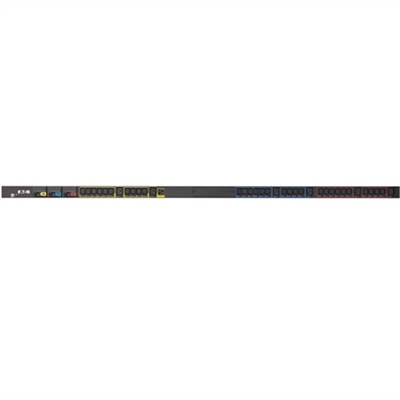
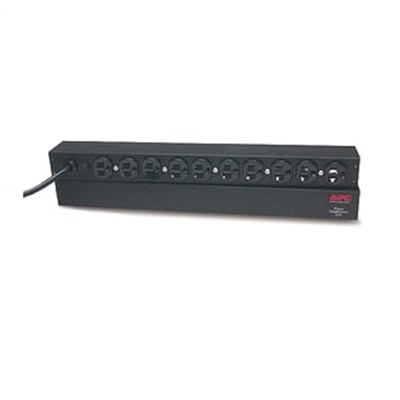
Metered PDUs provide a practical way to distribute electrical power while keeping a close eye on how much energy connected equipment is using. Unlike a basic rack power strip, a metered power distribution unit includes a built-in display or measurement system that reports electrical load, commonly in amps, watts, or both. That information is visible at the cabinet, making it easier to understand current demand without relying on estimates or interrupting connected devices. For a small technical room, testing area, studio, classroom, or equipment cabinet, this visibility can make routine power management more orderly and less stressful. A quick glance at the meter can show whether the connected load is comfortably within the circuit’s capacity or approaching a level that deserves attention. For a broader selection of power management hardware, explore Power Distribution Units. When comparing metered models, begin with the electrical requirements of the installation. Input voltage and amperage are essential details, since a unit designed for a 120-volt, 15-amp circuit is not interchangeable with one intended for a 208- or 240-volt, 20- or 30-amp circuit. Confirm the plug and receptacle configuration, circuit type, and available power before choosing a unit. It is also wise to leave operating headroom rather than planning around the absolute maximum rating. In everyday use, that extra capacity helps accommodate startup draw, equipment changes, and future additions without creating a crowded or uncertain electrical layout. A metered PDU does not increase the capacity of the circuit feeding it, so it should be viewed as a visibility and distribution tool, not a substitute for proper electrical planning or a dedicated circuit.
Metering can be provided at different levels, and that distinction matters when deciding what information will be most useful. Unit-level or input metering measures the combined load entering the PDU, giving a clear view of the total demand for a cabinet or group of connected devices. This is often a good fit when the main priority is staying within a circuit limit and confirming that the overall installation is balanced. Outlet-level metering goes further by showing the demand associated with individual receptacles, which can help identify an unusually power-hungry device, compare operating patterns, or assign consumption more precisely in a shared workspace. Some models provide a local LED or LCD display, while others may support additional monitoring features through an administrative interface. Check the specifications carefully to verify whether the displayed measurement is total amperage, wattage, voltage, outlet-level consumption, or another metric. Measurement accuracy, display readability, update frequency, and alarm options can be just as important as the number of outlets. A bright, easy-to-read display is valuable in a dim cabinet or a busy equipment room, while clearly labeled outlets and a well-organized cord path can save considerable time during installation and maintenance. If the PDU will be mounted vertically along the side of a cabinet, a 0U design can preserve horizontal mounting space for other hardware. Horizontal 1U or 2U formats may be a better match for a compact enclosure, bench, or open-frame setup. Consider outlet orientation, cord length, mounting brackets, plug clearance, and whether the unit can be installed without blocking adjacent connections. These small details often determine whether the finished setup feels clean and accessible or cramped and difficult to service.
Metered PDUs are commonly used by facilities teams, IT professionals, laboratory staff, audio and video technicians, educators, and small-business owners who need a clearer picture of electrical usage. They can be particularly helpful in locations where several monitors, workstations, test instruments, imaging devices, or other electronics share a circuit and must remain organized. A technician arriving early to prepare a room can check the displayed load before switching on additional equipment. A classroom manager can review the power demand of a workstation area after adding several displays. In a studio, a visible meter can help distinguish normal operating draw from an unexpected increase caused by a newly connected device. The value is not limited to high-density installations; even a modest cabinet benefits from having power information in one place instead of tracing cords and relying on guesswork. Look for construction and features that suit the environment, including a durable housing, secure mounting hardware, clear labeling, appropriate cord retention, and a rating compatible with the intended circuit. Surge protection, circuit breakers, phase information, outlet switching, and remote monitoring may be available on some configurations, but these features are not universal and should be confirmed before purchase. A metered PDU is also not a replacement for an uninterruptible power supply, grounding, code-compliant wiring, or professional electrical advice when an installation has unusual requirements. The best choice brings together the correct voltage and amperage, enough outlets for present needs, a suitable mounting style, and the level of measurement detail that people will actually use. With those factors in place, the meter becomes a simple, reassuring part of the daily routine: a readable snapshot of electrical demand that supports better planning, cleaner installations, and more confident equipment management.
FAQs:
A metered PDU provides real-time monitoring of power usage through a built-in display, allowing users to track energy consumption and balance loads across connected devices. In contrast, a basic PDU simply distributes power to multiple devices without offering any monitoring or measurement features.
Metered rack PDUs are particularly useful for IT professionals, network administrators, and anyone managing multiple computers or peripherals in environments like server rooms, offices, or creative studios. They’re also ideal for tech enthusiasts who want to optimize their setup and monitor power consumption.
Yes, a metered outlet PDU is designed to be mounted within a rack or on a surface, helping to centralize power distribution and reduce cable clutter. This organization makes it easier to manage devices and maintain a tidy workspace.
Metered PDUs are a great choice for home offices, especially for those using multiple monitors, desktops, and other accessories. By providing insight into power usage, they help users manage their energy consumption and ensure that their equipment is running efficiently.
When selecting a metered PDU, consider factors such as the number of outlets, the ability to monitor power remotely, compatibility with your existing equipment, and whether you need individual outlet metering. These features can enhance flexibility and make it easier to manage your workspace as your needs change.