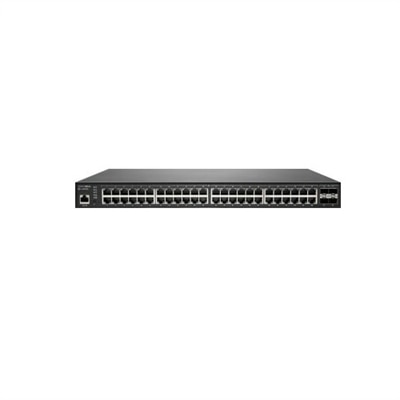
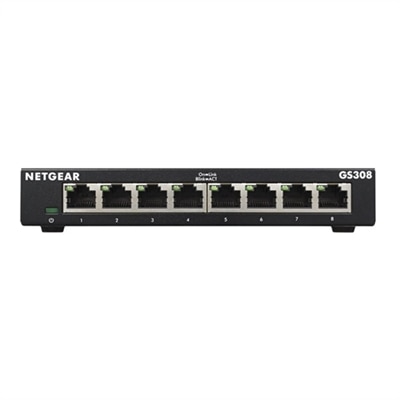
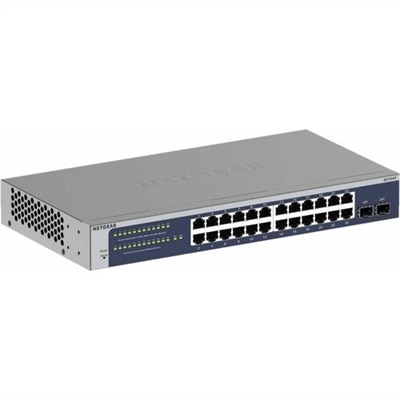
Power Over Ethernet Switches
Power over Ethernet switches are a game-changer for both businesses and home networks, offering seamless connectivity and power delivery through a single cable. By streamlining network setups, these innovative devices eliminate the need for separate power supplies, simplifying installations and reducing clutter. Ideal for powering devices like IP cameras, VoIP phones, and wireless access points, Power over Ethernet switches provide a reliable and efficient solution for expanding your network capabilities. Explore a range of options to find the perfect switch that meets your connectivity needs while optimizing performance and efficiency.
This product is not available
Check out the following recommendations.



Power Over Ethernet Switches
Power over Ethernet (PoE) switches make it possible to send data and low-voltage electrical power through a single Ethernet cable, helping reduce cable clutter and simplifying the placement of compatible devices. Instead of running a separate power adapter to every connected camera, voice phone, wireless access point or other endpoint, one cable can carry both the connection and the energy it needs. This can make a noticeable difference in places where outlets are limited or where a device must be mounted away from a desk or wall socket. A small business might use a PoE switch to connect cameras around an entrance, reception area and storage room, while a home office may use one to support a ceiling-mounted wireless access point without leaving an adapter on the floor. Retail spaces, classrooms, workshops and creative studios can also benefit from the cleaner installation. The switch checks whether a connected device is compatible before supplying power, helping protect ordinary Ethernet equipment that does not require PoE. When comparing options, begin by counting the devices you expect to connect and allowing room for future additions. A switch with four powered ports may suit a compact setup, while a model with eight, 16 or more powered ports can provide greater flexibility for a growing workspace. Port speed matters as well: Gigabit Ethernet is a practical choice for many modern devices, particularly when cameras send high-resolution video or several people share files and online applications at the same time. Look for dedicated uplink ports when you need to connect the switch to another switch, a router or a high-bandwidth connection without using all available device ports. Cable length, cable quality and the location of the switch also deserve attention. Cat5e or Cat6 cable is commonly used for PoE installations, but long runs, tight bends and damaged connectors can affect reliability. Keeping the switch in a well-ventilated, dry location near the center of the cable runs may help maintain a dependable connection and avoid unnecessary cable lengths.
The total PoE power budget is one of the most important specifications to review because the available wattage is shared across powered ports. A switch may support several devices individually while still having a limit on how much power it can deliver to all of them together. Add the expected power requirements of your cameras, phones, access points and other compatible equipment, then leave some headroom for startup demands and future expansion. PoE, PoE+ and higher-power standards provide different levels of available power, so match the switch to the requirements listed for each device rather than assuming every powered port delivers the same output. A basic camera may need only a modest amount of power, while a pan-tilt-zoom camera, high-performance wireless access point or illuminated device may require more. Managed and unmanaged designs serve different needs. An unmanaged switch is generally straightforward to install: connect the cables and let the switch handle the connection automatically. That simplicity can be appealing for a home office, small shop or workstation where the goal is dependable operation without regular configuration. A managed switch adds settings for monitoring and control, including traffic prioritization, port scheduling, device isolation and VLAN support. These tools can be useful when voice calls, video feeds and everyday data traffic share the same cabling, or when an administrator needs to see which ports are active and how much power each one uses. Quality-of-service controls can help prioritize time-sensitive traffic, while port controls may allow unused connections to be disabled during unoccupied hours. Some models also provide status lights or browser-based management that make it easier to identify a disconnected cable, overloaded port or device that is not receiving power. For a larger or more demanding installation, you can also explore High Performance Ethernet Switches for additional capacity and advanced features. Before purchasing, confirm that the switch supports the PoE standard required by every connected device, that its power budget is high enough, and that its management features match the level of control you want.
Choosing the right PoE switch often comes down to the setting, the people using it and the amount of hands-on maintenance they are comfortable handling. A small office may value quiet operation, a compact desktop design and simple setup, especially when the switch will sit near a reception desk or shared work area. A workshop or retail space may place greater emphasis on sturdy construction, wall-mounting options and clear port indicators that remain easy to read in a busy environment. For equipment installed in a closet or enclosed cabinet, check ventilation requirements and fan noise; a quiet or fanless design can be more comfortable near a home office, studio or meeting space, while adequate cooling becomes increasingly important as the power load rises. Consider whether the switch includes surge protection, energy-saving features, redundant uplink choices or a reliable warranty and support experience. If the switch will power cameras or other security-related devices, think about backup power for the switch itself so those devices can remain connected during a brief outage. Compatibility should be checked before installation, including connector type, cable rating, power requirements and any device-specific limitations. A practical installation plan also labels both ends of each cable, records which port serves each device and leaves accessible space for troubleshooting. This small bit of organization can save time when a cable is moved or a device is replaced. PoE switches can be useful technology gifts for a technically inclined homeowner, a small-business owner setting up a new workspace or someone improving a home office, provided the recipient already has compatible devices to connect. They are less useful as a stand-alone gift when there is no clear need for powered Ethernet equipment. Whether the goal is to reduce adapters, extend device placement, support several endpoints or create a cleaner installation, reviewing port count, speed, power budget, management options, noise and physical placement will help you select a switch that fits the space and continues to serve as the setup grows.
FAQs:
A PoE switch can power a wide range of networked devices, including IP cameras, VoIP phones, wireless access points, and certain IoT devices. This makes them ideal for both home and business environments where reducing cable clutter and simplifying installation are priorities.
To determine your total power budget, add up the wattage requirements of all devices you plan to connect. Ensure the combined total does not exceed the switch’s maximum PoE budget. For example, PTZ cameras generally use more power than standard IP phones, so factoring in each device’s needs is essential for optimal performance.
Managed PoE switches offer advanced features such as VLAN support, power scheduling, and remote monitoring, making them suitable for complex or growing networks. Unmanaged PoE switches are plug-and-play, ideal for simple setups where minimal configuration is needed.
Yes, PoE switches are designed to detect whether a connected device is PoE-compatible. If a device does not require power over Ethernet, the switch will simply transmit data, functioning as a standard network switch for those ports.
PoE switches come in various form factors, including desktop, wall-mount, and rack-mount models. This flexibility allows you to choose a configuration that best fits your available space and network design.