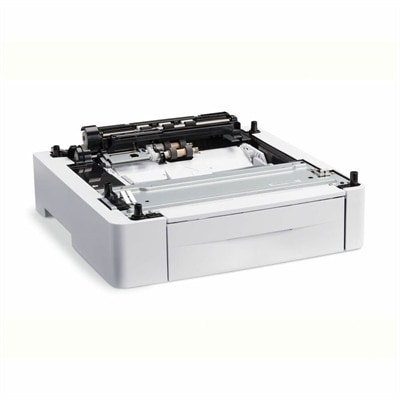
$231.00
A 550-sheet paper tray expanding capacity and streamlining workflows for compatible printers.
Printer trays are essential components for maintaining smooth and efficient printing operations in any workspace. Whether you’re looking to expand your printer’s capacity or replace an existing tray, the right printer trays help streamline document handling and minimize interruptions. Explore a wide selection of options designed to fit various printer models and support different paper sizes, ensuring that your printing tasks stay organized and productive.
A 550-sheet paper tray expanding capacity and streamlining workflows for compatible printers.
Printer trays help keep printing organized, consistent, and easier to manage in homes, classrooms, and workplaces. On a modern printer, a tray may hold blank sheets before printing, collect finished pages, or support specialty media as it moves through the device. Replacement trays can be useful when an original component is worn, cracked, misplaced, or no longer feeding paper reliably, while an additional tray can make it easier to keep different paper sizes or types ready for separate tasks. When comparing printer trays, begin with compatibility. Check the printer’s exact model and the tray’s intended position, since a component that looks similar may not align correctly with the paper guides, rollers, or mounting points. Capacity also matters. A compact tray may suit occasional printing at home, while a larger-capacity option can reduce interruptions in a busy workspace where reports, forms, invoices, or school materials are printed throughout the day. Look for adjustable guides that hold paper squarely without squeezing it, a sturdy base that remains level on the desk, and smooth surfaces that do not catch sheet edges. If the tray will be used with envelopes, labels, card stock, or other specialty media, confirm that the printer supports those materials and that the tray is designed for the required dimensions. Paper should sit flat, stay below the indicated fill line, and remain in a dry, reasonably dust-free area. A tray that is easy to remove and clean can also help maintain dependable feeding during the cooler months, when indoor air may be drier and loose paper fibers or dust can collect around frequently used equipment. For related replacement and maintenance components, browse Printer Parts to help complete a compatible setup.
The right printer tray depends on the rhythm of the space as much as the printer itself. A household that prints occasional permission forms, recipes, shipping labels, or children’s project pages may value a simple, accessible tray that keeps paper from bending at the edge of a desk. In a home office, a second paper location can make everyday work feel less interrupted: plain sheets can remain ready for routine documents while a separate position is reserved for letterhead, heavier pages, or forms that should not be mixed together. Small businesses and shared work areas may benefit from clearly separated paper supplies, especially when several people use the same printer for customer documents, internal records, and presentation materials. Schools, libraries, and community organizations often appreciate sturdy construction and generous capacity because printing tends to arrive in bursts, with a quiet morning followed by a rush of handouts or registration pages. Consider the available space before choosing a tray. Measure the printer’s footprint and the clearance needed to open, remove, or refill it, including room for paper to extend outward. A front-loading design can be convenient on a shallow shelf, while a rear-loading arrangement may require more space behind the printer. Also consider how often the tray will be handled. If it will be refilled several times a day, a clearly visible paper-level indicator, comfortable grip, and secure alignment can make a noticeable difference. In my own workspace, the small habits matter most: keeping a spare stack sealed until needed, fanning sheets before loading them, and sliding the guides gently into place prevents many of the crooked pages and repeated print attempts that turn a quick task into a frustrating one. These details are especially helpful when preparing documents for a new school term, organizing a work area as routines shift, or keeping a household ready for indoor projects during cooler weather.
The phrase “printer tray” can also refer to a historical printer’s tray, a shallow compartmentalized drawer once used by typesetters to organize individual metal or wooden letters for letterpress printing. These vintage trays were built with dozens of small, irregular compartments, allowing characters from a particular typeface to be sorted and reached quickly. Their arrangement also helped inspire the familiar terms “uppercase” and “lowercase,” referring to the traditional placement of capital and small letters in separate drawers. Today, an old printer’s tray is more often used as a decorative shadow box or tabletop organizer than as a working printing component. Its narrow compartments can display miniature collectibles, stones, shells, buttons, stamps, beads, thread spools, tiny plants, or other objects with personal meaning. It may appeal to someone who enjoys letterpress history, handmade crafts, vintage interiors, or carefully arranged collections, making it a thoughtful gift for a creative friend, a teacher, a hobbyist, or anyone furnishing a studio with character. Before purchasing a historical or decorative tray, consider its overall dimensions, compartment count, depth, material, condition, and intended placement. A wall-mounted display needs appropriate hardware and a wall strong enough to support the tray and its contents; a tabletop arrangement should have a stable back or base and enough clearance to prevent it from being knocked over. Because the compartments are open and shallow, fragile pieces may need a small amount of removable museum putty or wax to keep them secure, particularly in homes with pets, children, or frequent movement. Whether selecting a functional paper tray for dependable everyday printing or a vintage-style printer’s tray for organizing and displaying small treasures, focus on fit, construction, capacity, and the way the item will be used. A well-matched tray can bring order to a busy desk, protect paper from curling, or turn a collection of little objects into a display that feels gathered over time rather than simply placed on a shelf.
Add the products you would like to compare, and quickly determine which is best for your needs.