$139.99
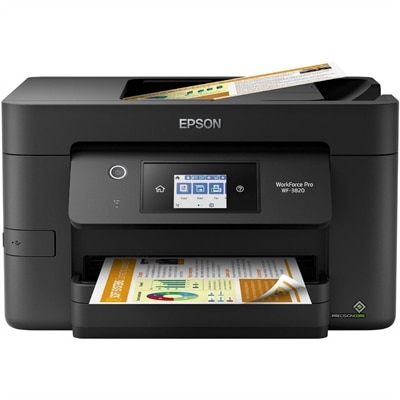
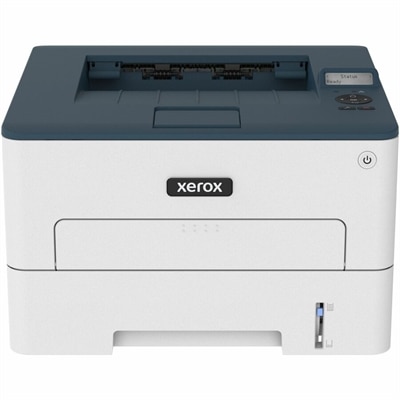
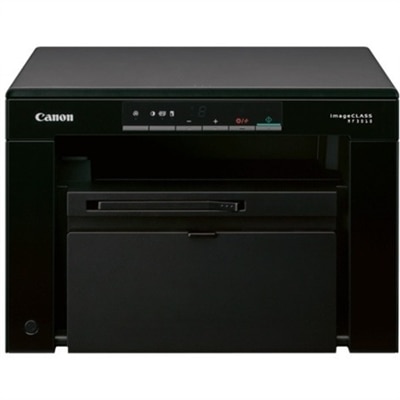
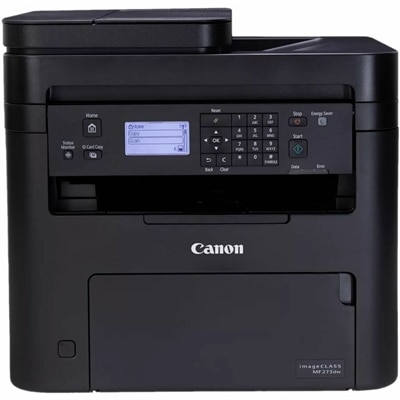
A monochrome wireless laser multifunction printer designed for productive small offices with high-volume black-and-white printing.
Transform your homeschooling experience with the perfect printers for homeschool, designed to meet all your educational needs. Whether you're printing worksheets, crafting creative projects, or organizing lesson plans, having a reliable printer is essential for a seamless learning environment at home. Explore our diverse selection of printers that cater to various requirements and budgets, ensuring high-quality prints every time. Empower your homeschool setup with technology that supports both productivity and creativity, making every learning moment count.
A monochrome wireless laser multifunction printer designed for productive small offices with high-volume black-and-white printing.
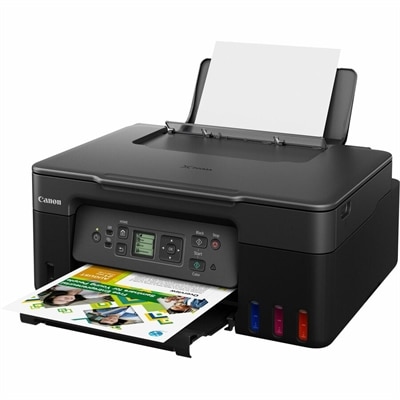
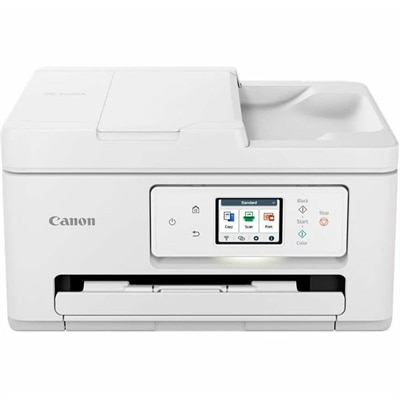
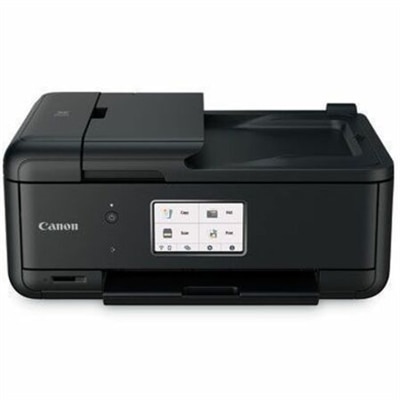
A black wireless all-in-one printer with MegaTank ink, vivid color output, scanning, copying, and high yields.
Printers for homeschool bring digital lessons into the hands-on rhythm of learning at home, turning downloaded assignments into writing practice, reading packets, maps, and materials for the kitchen-table classroom. The right fit depends on the number of pages printed, the importance of color, and whether scanning and copying are part of the weekly routine. A household printing mostly math exercises and reading passages has different needs from one producing illustrated science journals, full-color flash cards, and art projects for several children. Monochrome laser printers suit text-heavy work, with crisp lettering that keeps small instructions and answer spaces easy to read. Color inkjet printers support a broader mix of illustrations, photographs, and classroom graphics, although results depend on the paper and print settings as well as the printer. Refillable ink tank printers can be useful for frequent printing because their high-capacity reservoirs generally allow longer intervals between refills than smaller cartridge systems; actual ink use varies with page coverage and document content. Cartridge-based printers can also fit a homeschool space where assignments are printed intermittently rather than in large batches. There is no single best homeschool printer for every family: consistent document quality, manageable upkeep, and features that match the curriculum matter more than any one specification. Automatic two-sided printing is particularly helpful for longer unit studies and reading packets, keeping related material together while reducing the number of sheets needed. For handwriting practice, cutout activities, or pages that will be displayed on a wall, single-sided printing may be more practical. A clear preview and adjustable scaling help preserve worksheet margins, while actual-size printing matters for rulers, geometry templates, and other activities whose measurements must remain accurate. Families exploring school-focused options can also browse Canon Printers for School as part of finding a printer suited to everyday assignments and creative learning. Whether lessons happen in a dedicated room or at a shared dining table, a printer earns its place by making the transition from screen to paper straightforward.
In a busy homeschool setting, the features surrounding printing can be just as useful as the printed page itself. An all-in-one printer combines printing, scanning, and copying, supporting everything from an extra copy of a parent-created worksheet to a digital record of a finished essay. A flatbed scanner accommodates single sheets, drawings, and bound materials that fit within its size and thickness limits, while an automatic document feeder can simplify scanning a stack of loose pages. Automatic two-sided printing does not necessarily mean a printer can scan both sides of a document automatically, so these are separate capabilities when comparing specifications. For families keeping learning portfolios, clear scans can preserve pencil work, handwritten notes, and the details of a watercolor project without adding another paper folder to the shelf. Wireless printing can let a parent send a lesson from a laptop while a student finishes work nearby, and compatible mobile printing can support documents opened on a phone or tablet. Support varies by device, operating system, and app, making compatibility an important part of the fit. A USB connection may suit a dedicated computer station, especially when the same laptop or desktop handles most assignments. Physical dimensions deserve similar attention: the space needed with trays extended and the scanner lid raised can be noticeably larger than the closed printer's footprint. A stable surface, accessible controls, and room to collect finished pages make daily use easier. In a shared learning area, operating noise and the time it takes to produce the first page may matter more than maximum speed. For several students printing a week's assignments at once, input capacity and reliable multipage handling become more useful. A paper tray that holds a full packet's worth of sheets can reduce interruptions, while an accessible paper path makes an occasional jam less disruptive. These practical details help a printer fit naturally alongside textbooks, notebooks, and the other materials that move across a homeschool workspace throughout the day.
Paper choice, routine care, and realistic expectations all contribute to dependable homeschool printing over time. Standard plain paper works well for many worksheets and drafts, while a heavier sheet can provide a sturdier feel for frequently handled reference pages. Opacity also matters for two-sided work, since text showing through from the reverse can distract an early reader or make pencil answers harder to see. Cardstock can be useful for matching games, vocabulary cards, and presentation pieces, but the printer must support its weight and size through the appropriate paper feed. Specialty sheets, including labels and photo paper, need to be compatible with the printing technology; materials intended for inkjet use are not automatically suitable for a laser printer's heated process. Color-heavy projects may also need time to dry before stacking or cutting, depending on the ink, paper, and settings. For a geography lesson with shaded regions or a science diagram with a color key, normal or higher-quality output helps preserve meaningful distinctions. Draft settings often work well for a quick checklist or a practice page where fine detail is less important. Durability involves more than the outer housing: sturdy trays, dependable rollers, and a workload appropriate to the printer's recommended monthly volume all affect long-term usefulness. A published maximum duty cycle is a peak limit, not the same as a recommended everyday workload. Keeping paper dry and flat, avoiding overfilled trays, and following the manufacturer's cleaning instructions help maintain smooth feeding. Inkjet printers may need occasional use and prescribed maintenance to keep nozzles working properly, especially after extended breaks. Ink or toner supplies should remain secured away from young children, with refilling and replacement handled by an adult according to the instructions. A printer that receives thoughtful care can support changing lessons across grade levels, from large-letter tracing sheets to research outlines and lab reports. Matching its capabilities to those recurring tasks leaves room for both the predictable Monday worksheet packet and the unexpected afternoon project that turns a student's curiosity into something tangible.
Add the products you would like to compare, and quickly determine which is best for your needs.