RGB Lighting
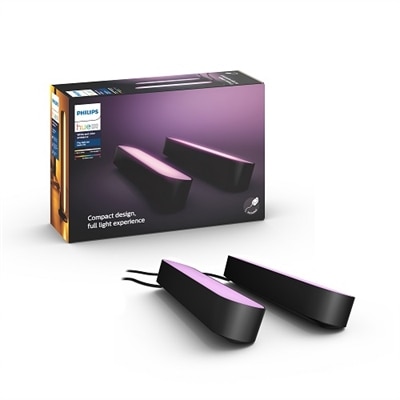
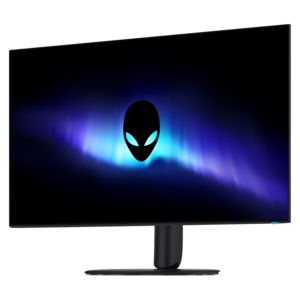
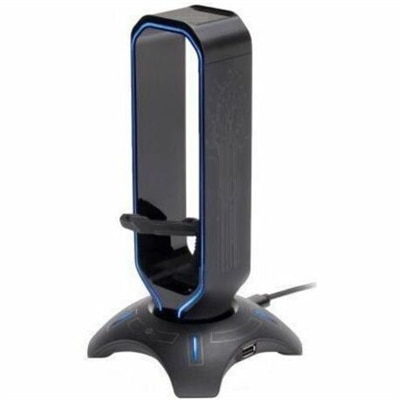
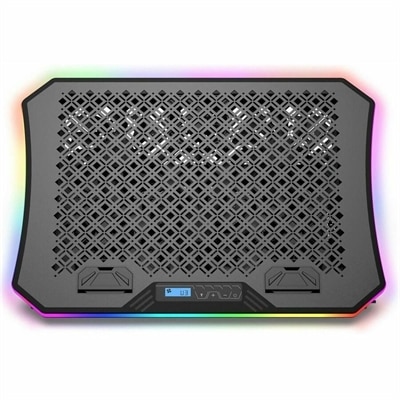
Elevate your workspace or gaming setup with RGB lighting, designed to bring vibrant color and a dynamic atmosphere to any environment. Whether you're looking to enhance your home office, create an immersive entertainment area, or simply add a personalized touch to your technology, RGB lighting offers endless possibilities for customization. Explore a variety of options that seamlessly integrate with your devices and accessories, helping you express your unique style and make every moment more visually engaging.
This product is not available
Check out the following recommendations.




RGB Lighting
RGB lighting uses red, green, and blue light sources to create a broad range of colors by varying the brightness of each channel. Systems with 8-bit control per channel can represent approximately 16.7 million color combinations, although the shades that appear in practice depend on the LEDs, controller, software, and surrounding surfaces. Across laptops, desktops, keyboards, mice, monitors, and desk accessories, that color can take the form of a subtle illuminated edge, a glowing logo, or an animated pattern that stretches across several devices. A cool blue accent behind a display gives a workspace a different character from an amber keyboard glow or a shifting rainbow along a desktop enclosure. Standard RGB lighting generally applies the same color to all LEDs within a controlled zone, while addressable RGB allows compatible LEDs or groups of LEDs to display different colors simultaneously. Some accent lighting uses the term RGBIC to describe integrated-circuit control that enables multiple colors along one strip. These distinctions matter more than the number of advertised effects: a single-color zone suits a restrained setup, while independently controlled sections support gradients, traveling waves, and more detailed patterns. RGB lighting is primarily decorative, though illuminated keys and thoughtfully placed accents can also make a setup easier to navigate in a dim room. It does not replace a desk lamp for reading printed notes or provide a guaranteed improvement in gaming performance. For a home office that becomes a gaming space after work, adjustable brightness and saved lighting profiles allow the same equipment to feel quiet during the day and more expressive in the evening. Students, players, creators, and anyone personalizing a computer desk may appreciate that flexibility. The strongest visual results often come from a few coordinated areas rather than lighting every surface, especially when a monitor, keyboard, and surrounding accents share a consistent color palette.
The usefulness of RGB lighting depends as much on the underlying equipment as on the illumination itself. A keyboard still needs a comfortable layout and a key feel that suits long writing sessions or fast-paced play; a mouse needs an appropriate shape, weight, and grip; and a headset needs comfortable cushions and a secure fit. Lighting should complement those everyday qualities rather than distract from them. Construction also influences how color looks and how well an accessory holds up. Translucent legends let keyboard backlighting pass through the characters, while opaque keycaps may leave most of the glow visible between keys. Molded plastic and aluminum housings can produce different visual effects around illuminated edges, but neither material alone establishes overall durability. Assembly quality, cable strain relief, surface finishes, and replaceable wear components are also relevant. Frosted diffusers soften individual LED points into a more continuous band, making them particularly useful where an accent remains directly visible. Exposed points of light can look sharper and brighter, although they may create distracting reflections on a glossy desk or screen. For flexible light strips and other external accessories, physical fit includes length, bend limits, mounting clearance, and the route to an appropriate power source. Adhesive-backed lighting needs a compatible, clean surface, and removal can affect delicate finishes. Strips should only be cut where the manufacturer permits it, and cables should stay clear of fans, vents, moving monitor arms, and chair wheels. On equipment designed for travel, compact dimensions and protected lighting elements may matter more than elaborate effects. Routine care is usually straightforward: power down or disconnect equipment as directed, remove dust with a soft cloth, and follow the manufacturer's cleaning guidance rather than applying liquid directly to keys, seams, or illuminated panels. A spill-resistant keyboard is not necessarily waterproof, and an indoor lighting accessory should not be treated as suitable for damp locations without an explicit rating. These practical details help keep an illuminated setup comfortable and dependable beyond its first evening on the desk.
Control options shape the day-to-day experience of an RGB setup. Depending on the device, colors and effects may be adjusted through physical buttons, keyboard shortcuts, desktop software, or a mobile app. Hardware controls can be convenient for quick brightness changes, while software may offer individual key assignments, multiple zones, application profiles, or synchronization across supported accessories. Compatibility is specific to the equipment and control platform; two devices labeled RGB do not automatically share effects or respond to the same application. A USB connection likewise does not guarantee lighting synchronization, and some features require a supported operating system, a separate controller, or software running in the background. Internal desktop lighting has additional electrical requirements: common 12-volt, four-pin RGB connections and 5-volt, three-pin addressable RGB connections are not interchangeable. Matching the documented connector and voltage is essential when adding compatible components. For a coordinated desk, RGB Devices can extend the same visual theme across several categories of computer equipment, with the lighting capabilities of each device determining how closely the effects align. A shared room may benefit from independent brightness controls and the ability to turn lighting off completely, while onboard memory, where supported, can retain preferred settings without repeated adjustments. Wireless accessories may offer longer battery life with illumination dimmed or disabled. Screen-reactive and sound-reactive effects can bring motion to entertainment spaces, but they depend on compatible hardware and software and may be less suitable during focused work. For video calls or streaming, gentle background color can add separation behind a chair, while a neutral front light remains more useful for natural-looking skin tones. RGB-generated white can also differ visibly from lighting with a dedicated white channel, an important distinction when a clean white accent is the goal. As a birthday, graduation, or housewarming gift, an illuminated accessory works best when it matches the recipient's existing computer, desk space, and preferences. Someone who enjoys a bold gaming corner may favor animated patterns, while a person sharing a compact workspace may appreciate a quiet, steady glow. Adjustable RGB lighting accommodates both approaches, making personal expression part of equipment that still needs to work comfortably every day.
FAQs:
RGB lighting refers to the use of red, green, and blue LEDs to create a wide spectrum of colors for visual effects in devices such as keyboards, mice, monitors, and PC components. By adjusting the intensity of each color, users can customize lighting patterns and effects.
Most RGB-enabled devices come with dedicated software or onboard controls that allow you to adjust colors, brightness, and lighting effects. Popular software includes Dell Peripheral Manager, Alienware Command Center, and other manufacturer-specific applications.
Yes, many brands offer synchronization features that let you coordinate RGB lighting effects across compatible devices. This creates a unified look for your setup and can often be managed through a single software platform.
RGB lighting typically has a minimal impact on system performance. The power consumption is low, and the processing required to control lighting effects does not significantly affect overall device operation.
Yes, common types include standard RGB (red, green, blue), addressable RGB (ARGB) which allows individual LED control for advanced effects, and proprietary systems designed by specific manufacturers for enhanced customization.