Security Cameras For Home Protection
Security cameras for home protection offer a reliable way to enhance peace of mind and safeguard your living space. Whether you’re looking to monitor entrances, keep an eye on your property while away, or simply deter unwanted activity, these devices provide an extra layer of security for any household. Explore a wide selection of options designed to fit various needs and preferences, making it easier to find the right solution for your home. With security cameras for home protection, you can take proactive steps toward creating a safer environment for you and your loved ones.
This product is not available
Check out the following recommendations.
Security Cameras For Home Protection
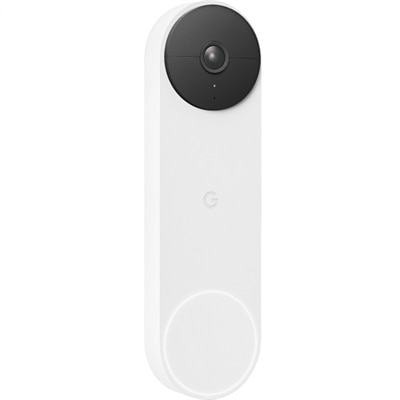
Security cameras for home protection offer a practical way to keep an eye on the places that matter most, whether you are checking the front entry from the kitchen, watching a side gate after dark, or confirming that a package was left in a sheltered spot. Today’s home camera options range from compact indoor models for nurseries, hallways, and living areas to weather-resistant outdoor cameras designed for driveways, patios, garages, and other exposed locations. Many provide live viewing through a phone or computer, allowing you to check in while away from home, while motion alerts can notify you when activity is detected within a selected area. Night vision helps preserve visibility after sunset, and some cameras use color night viewing or built-in illumination to make details easier to recognize. Two-way audio can be useful for speaking with a family member, greeting a visitor, or asking a delivery person to place a package in a safer location. For broader browsing, explore Smart Home Security Cameras to compare options suited to different rooms, property layouts, and monitoring preferences. A camera can be especially helpful for households with children, pets, older relatives, or frequent visitors, as well as for people who spend long hours away from home. It may also be a thoughtful housewarming gift for someone moving into a first home, settling into a new apartment, or looking for a little more visibility around a property. In everyday use, the greatest benefit often comes from small moments: checking whether the dog has returned from the yard, seeing who rang the bell while you were upstairs, or receiving a quiet confirmation that everything looks normal during a trip.
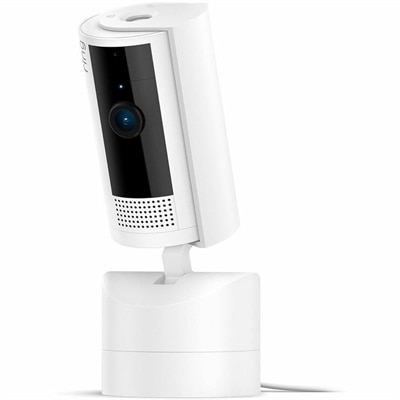
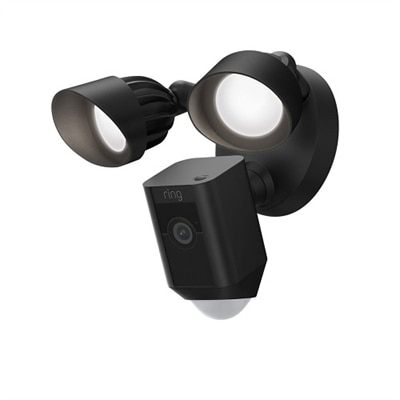
When choosing a home security camera, start with placement and power rather than focusing only on image resolution. Indoor cameras typically use a standard power connection and are easy to position on a shelf, desk, or cabinet, while outdoor models may require weather-resistant construction, a nearby outlet, rechargeable battery power, or solar charging. Wired cameras can provide consistent operation in a fixed location, making them a strong fit for an entryway, garage, or covered porch where a power source is available. Battery-powered cameras offer more flexibility when mounting near a fence, detached garage, or side passage would otherwise require a long cable. Solar-assisted options can reduce the need for frequent charging in areas with suitable daylight, though placement and seasonal conditions still affect performance. Consider the field of view as well. A wide-angle camera can cover a porch or open room, while pan-and-tilt functionality may help monitor a larger yard or shared space. A dual-lens design can capture separate areas at once, and automatic tracking may follow movement across a scene. Floodlight cameras are useful for broad outdoor areas because illumination can discourage unwanted activity while improving the image captured at night. Resolution also matters: higher-definition video can make clothing, packages, or vehicle details easier to distinguish, especially when the camera is mounted farther from the area being monitored. Motion zones and adjustable sensitivity help limit unnecessary notifications from passing cars, swaying branches, or routine activity. For a front door, look for a view that includes faces and packages without leaving a large gap near the ground; for a backyard, prioritize coverage, weather resistance, and dependable nighttime performance. A simple sketch of the property can help identify blind spots before choosing where each camera should go.
Privacy, connectivity, recording methods, and ongoing requirements deserve equal attention. A camera connected to a home network should be installed where the wireless signal is dependable, since a weak connection can delay alerts or interrupt live viewing. Look for clear mobile controls, straightforward notification settings, and compatibility with the devices used by everyone who may need access. Some cameras support local recording, while others rely on online recording plans or offer a combination of both; review what is included, how long recordings remain available, and whether additional fees apply before making a choice. Select models provide key features without a mandatory monthly plan, which may appeal to households seeking predictable ownership costs. Privacy controls are equally important. Choose cameras with activity zones that exclude neighboring windows or public walkways, and use lens covers, privacy shutters, or scheduling tools when monitoring is not needed. Change default passwords, enable two-step sign-in when available, and keep the camera’s software updated to help protect access. For a larger home, a coordinated set of cameras can provide consistent coverage from the front door to the rear yard, while a single well-placed camera may be enough for an apartment entry or small porch. Think about the people who will use the system, too: simple controls and clear alerts can make a difference for a busy parent, a frequent traveler, or a relative who wants reassurance without managing complicated equipment. During the cooler months, outdoor cameras can help keep watch over darker walkways, icy steps, and less frequently used entrances, while indoor cameras can provide visibility when windows stay closed and household routines shift. The best choice is the one that fits the property, the available power and network connection, the desired level of coverage, and the way monitoring will become part of everyday life.
FAQs:
When selecting a home security camera, consider important features such as video resolution (2K or 4K for clear images), night vision capabilities, AI-powered motion or person detection, two-way audio for communication, and compatibility with your existing smart home system. Also, think about whether you prefer cloud or local storage for your video footage and whether you need indoor, outdoor, or weather-resistant models.
Many security cameras are designed specifically for either indoor or outdoor use, while some models are versatile enough for both. Outdoor cameras usually have weather-resistant housings to withstand rain, wind, and temperature changes, making them ideal for monitoring entryways, driveways, or backyards. Indoor cameras are typically more compact and can be placed on shelves or mounted discreetly in living spaces.
Wireless security cameras connect to your home Wi-Fi network, allowing you to access live video feeds and receive alerts on your smartphone or computer. They are powered either by rechargeable batteries or through a power outlet. Wireless models are popular for their easy installation and flexibility in placement, since they don't require running cables through walls.
Yes, many modern security cameras are compatible with popular smart home platforms, enabling integration with devices like smart lights, locks, and alarms. This allows you to automate actions, such as turning on lights when motion is detected or locking doors remotely, for a more comprehensive and convenient security setup.
Security cameras make thoughtful gifts for a variety of people, including new homeowners, renters, college students, parents, and elderly relatives. They can provide peace of mind for anyone who wants to keep an eye on their property, loved ones, or pets, whether living alone or in a busy household.