$79.99
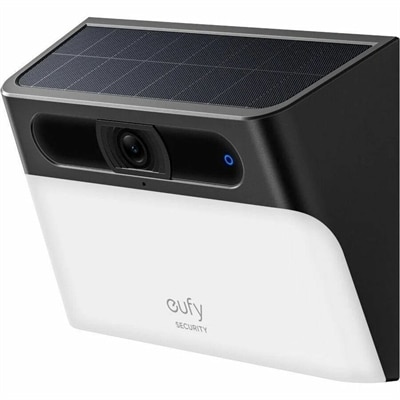
A weather-resistant solar wall light camera with app control, two-way audio, voice assistants, and local storage.
Smart home security cameras offer a convenient way to help monitor your home, providing added peace of mind whether you’re at work or on the go. With a wide variety of options designed to suit different spaces and needs, these cameras integrate seamlessly into your connected lifestyle. Explore smart home security cameras that make it easier to keep an eye on entrances, driveways, and living areas, all from your favorite device. Find the right solution to enhance your home’s security and stay connected to what matters most.
A weather-resistant solar wall light camera with app control, two-way audio, voice assistants, and local storage.
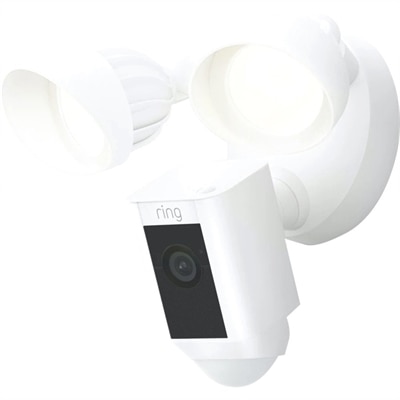
A white 4K outdoor camera with AI tracking, two-way audio, local storage, and IP67 weatherproof protection.
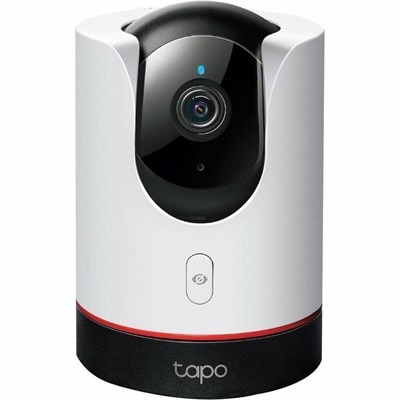
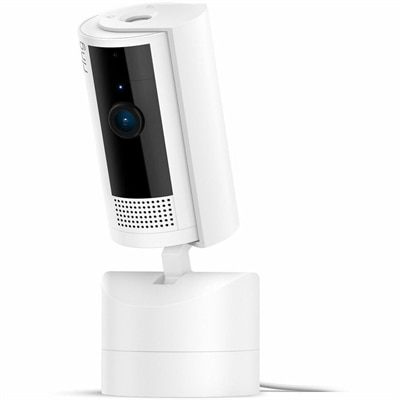
A 2K pan-tilt Wi-Fi camera with 360° rotation, AI detection, privacy lens concealment, and voice control.
Smart home security cameras offer a practical way to keep an eye on the places and people that matter, whether you live in a house, apartment, townhome or shared residence. Connected through Wi-Fi, these cameras can send live video to a smartphone, tablet or computer, provide motion alerts and allow two-way communication with someone near the camera. A camera aimed at the front entry can show when a package arrives or help identify an unfamiliar visitor, while an indoor camera can let you check on a pet, child or older family member from another room. Outdoor models can provide visibility around driveways, side gates, patios and other areas that may be difficult to see from inside. During warmer weather, a camera can help monitor outdoor activity and entrances that are used more often; during cooler months, it can offer added awareness when shorter days and changing weather make it less convenient to check outside in person. For flexible placement without running cables through walls, browse Wireless Home Security Cameras. Before choosing a camera, consider the area you want to cover, the distance from your Wi-Fi router and whether the camera will be used indoors, outdoors or in both settings. A compact indoor camera may be suitable for a nursery, home office or living room, while an outdoor camera should be designed to handle exposure to rain, dust and temperature changes. Look for an appropriate weather-resistance rating, a wide viewing angle and infrared or low-light visibility if nighttime monitoring is important. Resolution also affects how clearly faces, clothing, license plates or package labels appear, although a higher resolution may require more storage and stronger wireless performance. Some cameras use a fixed view, while others can pan, tilt or digitally zoom through an app. A wide-angle view can capture more of a room or entryway, and a movable lens can help follow activity across a larger space. For a multi-room setup, matching cameras or a coordinated system can make controls, alerts and recordings easier to manage from one place.
Power and recording preferences are equally important. Battery-powered cameras are convenient for renters, detached garages and locations where a power outlet is not nearby, and they can often be installed without extensive tools or wiring. Battery life depends on motion frequency, video quality, temperature and how often the live view is opened, so a busy walkway may require more frequent charging than a quiet side entrance. Solar-assisted options can help extend battery life in locations with adequate sunlight, though performance may vary with shade and seasonal conditions. Wired cameras can be a better fit for areas where continuous power is available and uninterrupted recording is a priority. Some models support continuous recording, while others capture short clips when motion or sound is detected. Storage is another central consideration. Cloud recording can make video accessible from multiple devices and may provide backup if the camera is damaged or removed, but advanced storage periods and features may require a recurring subscription. Local storage, such as a memory card or a connected hub, can reduce reliance on a subscription and keep recordings within the home, though capacity, device compatibility and protection from physical damage should be reviewed. Some systems offer both options, allowing important clips to be saved locally while selected events are backed up online. Smart detection can make alerts more useful by distinguishing among people, pets, vehicles and general movement. This can help reduce notifications caused by a passing car, swaying branches or a pet crossing the room. Adjustable activity zones are useful for excluding a public sidewalk, neighboring property or a frequently moving tree from detection. Notification controls should be easy to customize, with options for schedules, sensitivity and alert types. Two-way audio can be helpful when a delivery arrives or when you need to tell a family member that you will be home shortly, while a built-in siren or spotlight may provide an additional deterrent in certain outdoor settings.
A thoughtful setup begins with privacy and everyday usability. Place cameras so they cover the intended area without unnecessarily recording private rooms, neighboring homes or shared spaces, and check local rules or building policies before installing outdoor equipment. Use a strong, unique account password and enable two-step verification when available. Keep the camera firmware and companion app updated, review which household members can access the system and remove access that is no longer needed. Privacy shutters, recording schedules and the ability to disable audio can provide more control inside the home. It is also worth checking how video is encrypted, where recordings are stored and how long deleted footage remains available. For reliable performance, position a wireless camera within a strong signal range, avoid placing it behind dense walls or large appliances and test the live view from the exact location where it will be installed. A small adjustment in height or angle can prevent glare from a window, reduce blind spots and make nighttime images easier to interpret. Smart security cameras can be useful for homeowners who want additional awareness around entrances, renters seeking flexible monitoring without permanent modifications, families checking on children or pets, and older adults who appreciate simple communication from a phone or tablet. They can also be a considerate gift for someone moving into a new home, caring for a pet or looking for an easier way to check a front door while away. The most suitable choice balances image quality, placement, power, storage, smart detection, privacy controls and the convenience of the accompanying app. A well-positioned camera should fit naturally into daily routines, providing clear information when needed without making home monitoring feel complicated.
Add the products you would like to compare, and quickly determine which is best for your needs.