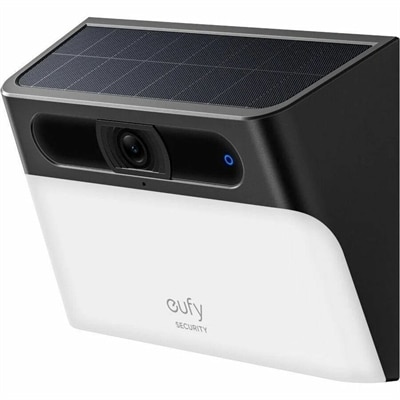
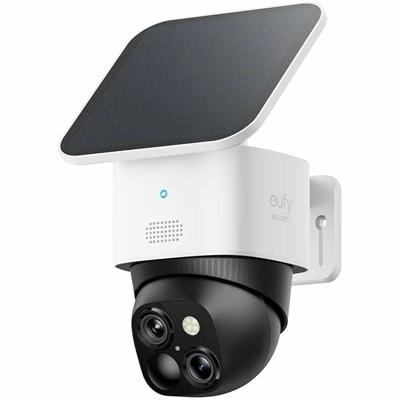
Solar Panel Surveillance Cameras
Solar panel surveillance cameras offer a smart and sustainable way to keep an eye on your property, combining security with the convenience of solar-powered operation. Ideal for both indoor and outdoor environments, these cameras are designed to help you monitor your home or business without the need for constant wiring or frequent battery changes. Explore a range of solar panel surveillance cameras that provide flexible installation options and reliable performance, all while supporting energy efficiency. Find the perfect solution to enhance your security setup with the added benefits of solar technology.
This product is not available
Check out the following recommendations.
Related Products
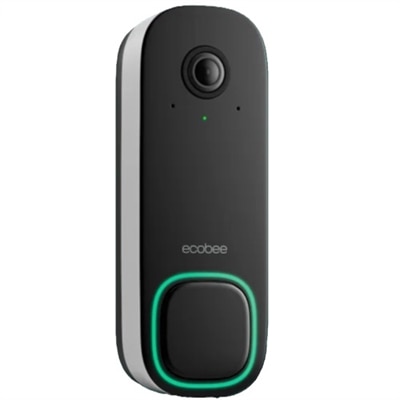
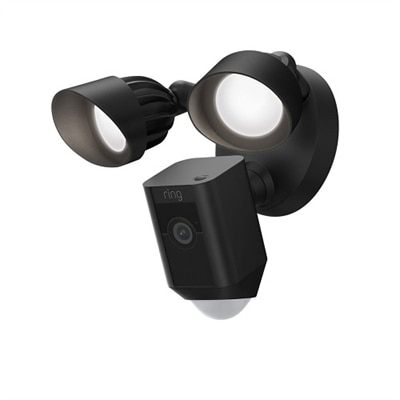
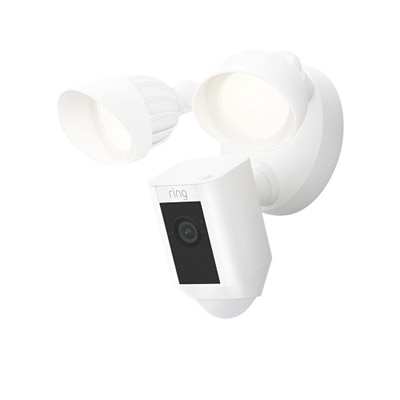
Solar Panel Surveillance Cameras
Solar panel surveillance cameras combine a rechargeable wireless camera with a small outdoor solar panel that helps replenish the battery throughout the day. Instead of removing the camera every few days or routing a power cable across a wall, homeowners can place the panel where it receives useful sunlight and keep the camera positioned near a driveway, side gate, porch, garden, shed, or other area that needs attention. Most compact panels produce roughly 2W to 10W of power at about 5V, although the right output depends on the camera’s battery, recording settings, motion detection activity, and local weather. A location with two or three hours of direct sunlight can be enough for some systems to maintain a charge, but shaded areas, short winter days, overcast conditions, snow cover, and frequent camera activity may reduce charging performance. Solar charging is best viewed as a way to extend battery life and reduce maintenance rather than a guarantee that a camera will never need attention. A well-placed setup can be especially helpful for detached garages, rental properties, vacation homes, workshops, and larger yards where running a conventional power cable would be inconvenient. During the cooler months, inspect the panel occasionally for leaves, frost, dust, or snow that could block light, and choose an angle that balances sun exposure with a clear view of the area being monitored.
Compatibility should be the first purchase consideration when comparing solar panel surveillance cameras and related accessories. Solar panels are generally designed for rechargeable, battery-powered cameras and may connect through USB-C, Micro-USB, or a manufacturer-specific connector. They typically are not intended for cameras that must remain plugged into a wall outlet continuously, and a connector that looks similar may still have different voltage, polarity, or weather-sealing requirements. Check the camera’s model information, recommended input, connector type, and approved accessory list before making a selection. A panel with a longer cable can make it easier to position the camera beneath an eave while placing the panel several feet away in a sunnier spot, but the cable should be routed neatly and protected from rubbing, standing water, and foot traffic. Look for outdoor-rated construction and weather resistance, with IP65 or IP66 ratings commonly used for protection against dust and rain; the rating does not mean the panel should be submerged or exposed to every installation condition without care. Mounting flexibility also matters. An adjustable bracket can help aim the panel toward the strongest available light, while a secure mount helps prevent vibration and shifting during wind. For households that prefer a camera with less frequent charging, browsing Battery Operated Surveillance Cameras can help compare compatible battery-powered options before choosing a solar charging setup.
These products can suit people who want practical monitoring without adding another indoor outlet, including homeowners watching a front walk, small-business operators checking an entrance, property managers overseeing exterior areas, and family members helping maintain a relative’s home from a distance. They can also make a thoughtful housewarming or new-home gift when the recipient already uses a compatible rechargeable camera and has a sunny mounting location. Before installation, consider the direction of the sun across the day rather than judging the site from a single moment. A panel that looks bright in the morning may be shaded by a neighboring building in the afternoon, while a south-facing or otherwise unobstructed position may provide more dependable exposure depending on the property and region. Keep the camera’s view and the panel’s charging needs in mind together: the best camera angle may be under a covered porch, while the best panel position may be along an adjacent wall or roofline. Check how the system handles nighttime recording, motion alerts, local storage or cloud features, and low-battery notifications, since these functions influence how often the camera draws power. In areas with long stretches of clouds or snow, retaining the camera’s removable battery access is valuable so it can be topped up indoors when needed. With the right connection, a secure weather-resistant mount, suitable sunlight, and realistic expectations about seasonal conditions, solar panel surveillance cameras can provide a flexible way to keep an eye on outdoor spaces while reducing the routine of manual battery charging.
FAQs:
Solar panel surveillance cameras perform best in locations with direct sunlight, but they can still function in partially shaded areas if the panels receive enough daylight throughout the day. For heavily shaded spots, it may be beneficial to mount the solar panel in a sunnier location and use an extension cable to connect it to the camera.
Solar panel surveillance cameras are designed for low maintenance. However, it’s a good idea to periodically clean the solar panels to remove dust, leaves, or snow, which can help maximize their energy absorption. Checking the camera and panel connections occasionally ensures continued optimal performance.
Yes, solar panel surveillance cameras are an excellent choice for remote properties where access to electrical outlets is limited or unavailable. Their self-sustaining power source makes them ideal for monitoring cabins, barns, construction sites, or vacation homes.
Many solar panel surveillance cameras offer local storage options, such as microSD cards, in addition to cloud storage. This allows users to access and review footage even if there is a temporary loss of internet connectivity.
Most solar panel surveillance cameras are equipped with Wi-Fi connectivity, allowing users to view live footage and receive alerts directly on their smartphones or tablets through dedicated apps. This feature provides convenient remote monitoring from virtually anywhere.