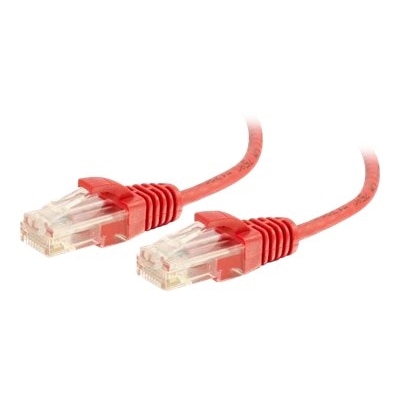
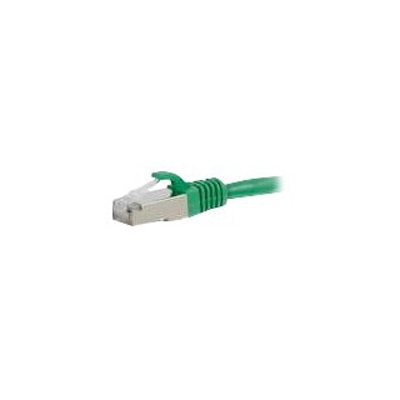
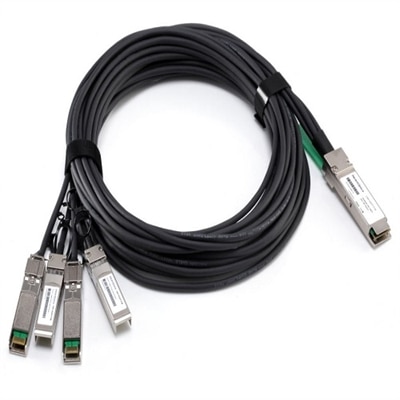
Shielded Twisted Pair Cables
Shielded twisted pair cables are essential components in modern networking setups, providing reliable and secure connections for various electronic devices. These cables are designed to minimize electromagnetic interference, ensuring optimal performance and data integrity across your network. Whether you're setting up a home office, upgrading your gaming system, or enhancing your business infrastructure, shielded twisted pair cables offer the durability and efficiency needed for seamless connectivity. Explore our selection to find the perfect solution for your networking needs.
This product is not available
Check out the following recommendations.
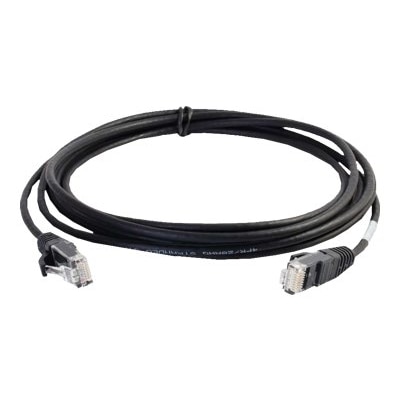
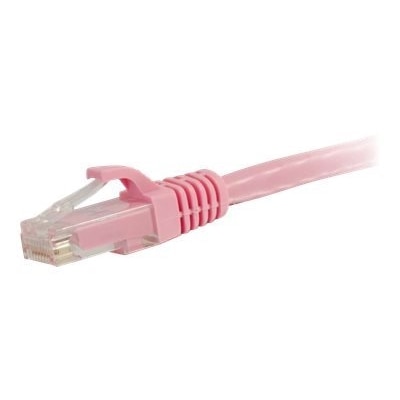
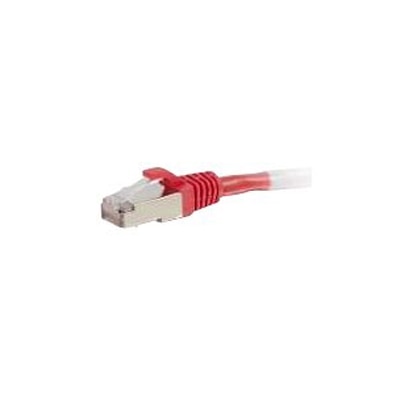
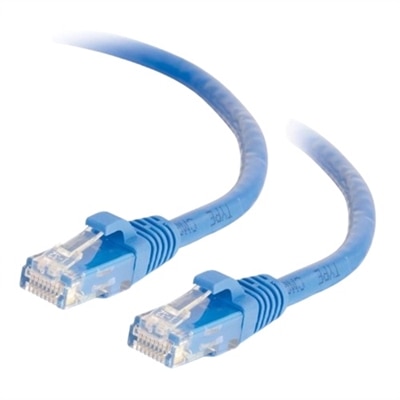
Shielded Twisted Pair Cables
Shielded Twisted Pair (STP) cables are copper communication cables designed to help carry data with greater resistance to electrical noise than standard unshielded designs. Inside the cable, insulated copper conductors are arranged in pairs and twisted around one another. This twisting helps balance the electrical fields produced by the conductors, reducing crosstalk between adjacent pairs and limiting the effect of common-mode interference. Around the twisted pairs, STP construction adds a conductive shield made from foil, braided metal, or a combination of both. This layer works much like a protective barrier against electromagnetic interference (EMI) and radio-frequency interference (RFI) generated by nearby motors, fluorescent lighting, power supplies, machinery, wireless transmitters, and other electronic equipment. The result can be a cleaner, more consistent signal in locations where ordinary cabling may be exposed to substantial electrical activity. Shielded Twisted Pair Cables are commonly considered for connecting computers, displays, printers, communication equipment, and other compatible devices in homes, offices, workshops, studios, classrooms, and commercial spaces. They can be especially useful when a cable must run near power cords or through an area containing many electronic devices. For broader connectivity options, shoppers can also explore Network Cables suited to different installations and equipment configurations.
When choosing an STP cable, begin by confirming the connection type, cable category, length, and connector style required by the devices or ports involved. The cable category indicates performance characteristics such as supported bandwidth and frequency, while the length should provide enough reach for a neat installation without leaving a large coil that can become tangled or create unnecessary strain. It is helpful to measure the intended path from end to end, including the distance around a desk, behind furniture, through a cable channel, or along a wall. Leave a small amount of extra length for routing and repositioning, but avoid choosing a much longer cable than necessary. Shielding styles also vary. Individual pairs may be shielded separately, the entire group of pairs may be surrounded by a common shield, or a cable may use both forms of protection. Product specifications may identify these arrangements with abbreviations such as foil-shielded, braided-shielded, or combinations of letters that describe the shielding structure. A thicker braided shield can provide strong mechanical protection, while foil is often valued for broad electrical coverage and a slimmer profile. STP cables are generally less flexible and somewhat thicker than unshielded cables, so bend radius matters during installation. Sharp folds, crushed sections, tightly closed clips, and excessive pulling can damage the cable or affect performance. Route the cable with smooth curves, keep it away from sources of heat, and use clips or channels that hold it securely without compressing the jacket. For a temporary desk setup, a flexible length can make it easier to move a computer or display. For a permanent run, jacket durability, installation space, and connector clearance deserve equal attention.
Grounding is an important part of shielded-cable installation and should not be overlooked. The conductive shield is intended to intercept unwanted electrical energy and direct it safely through an appropriate grounding path. Many shielded cables include a drain wire, and shielded connectors or compatible hardware may be required to maintain continuity from one end of the cable to the other. If the shield is connected incorrectly, left floating, or paired with incompatible unshielded components, the expected protection may be reduced and interference can sometimes become more noticeable. For that reason, confirm that the cable, connectors, wall outlets, patch panels, and connected equipment support the same shielding approach. In electrically quiet rooms, unshielded cabling may be sufficient and easier to route, while STP is often a practical choice for workshops, production areas, audio environments, offices with dense equipment, or cable paths that run alongside power wiring. It can also help maintain dependable communication in a home office where computers, monitors, chargers, lighting, and appliances share a compact space. Keep in mind that shielding does not automatically increase the speed of every connection; actual performance depends on the cable category, connector quality, device capabilities, installation practices, and the surrounding environment. Before purchasing, review the required specification, connector compatibility, jacket rating, length, flexibility, and grounding requirements. A carefully matched STP cable can provide a tidy, durable connection and help reduce the frustration of intermittent communication, unexplained signal loss, or repeated cable adjustments as a workspace changes through the cooler months and beyond.
FAQs:
Shielded twisted pair cables provide enhanced protection against electromagnetic interference (EMI) and crosstalk from nearby electronic devices. This results in more reliable data transmission and reduced signal degradation, especially in environments with many competing signals, such as offices, entertainment centers, or smart homes.
A shielded twisted pair cable includes an additional layer of shielding—such as foil or braided mesh—around the wire pairs, which helps block external interference. Unshielded cables lack this extra protection, making shielded options preferable in environments with higher potential for electrical noise.
Anyone who requires high-speed, stable data transmission—such as gamers, remote workers, or creative professionals working with large files—can benefit from upgrading to a cat 6a ethernet cable. These cables support faster speeds and greater bandwidth, making them ideal for demanding applications and future-proofing your network.
Shielded twisted pair cables are particularly well-suited for in-wall installations, areas with dense electronic equipment, or locations near power lines and other sources of interference. They are also a smart choice for multi-unit buildings or offices where multiple networks operate in close proximity.
Yes, shielded twisted pair cables are compatible with standard network devices such as routers, switches, laptops, desktops, and gaming consoles. They use the same connectors as unshielded cables, making them an easy upgrade for most existing setups.