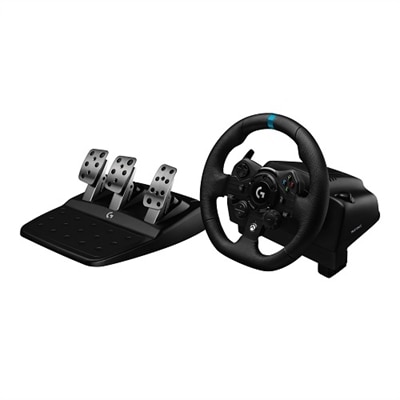
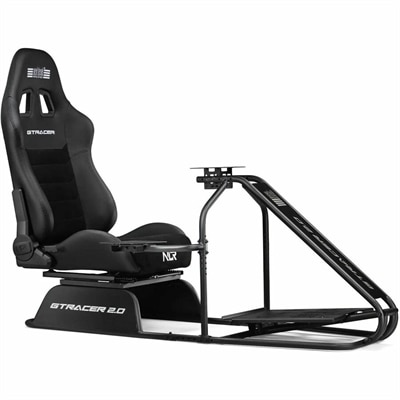
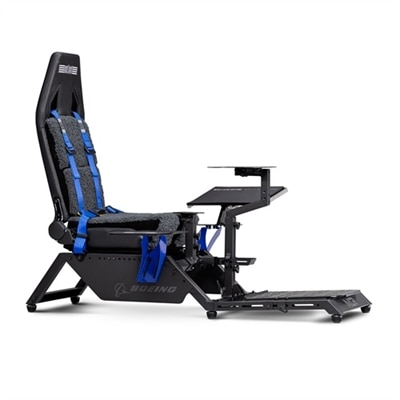
Simulator Frames
Elevate your virtual racing or flight experience with top-quality simulator frames designed to provide the ultimate in stability and immersion. Whether you're a professional gamer, a simulation enthusiast, or someone looking to enhance their home setup, our selection of simulator frames offers the perfect combination of durability and performance. Explore a variety of options tailored to meet your specific needs and preferences, ensuring that every simulation session is as realistic and engaging as possible. Dive into the world of unparalleled precision and control with our premium simulator frames.
This product is not available
Check out the following recommendations.


Simulator Frames
Simulator frames, also called sim racing cockpits or racing simulator rigs, provide the stable foundation needed to turn a virtual driving setup into a more immersive, comfortable experience. Unlike a standard desk arrangement, a dedicated frame keeps the steering wheel, pedals, seat and optional shifter in fixed positions, helping each control feel consistent from one session to the next. A well-designed frame can also reduce movement and vibration when a wheel delivers strong force feedback, making it easier to concentrate on the road, track or course displayed on the screen. Frames are available in several formats to suit different rooms and driving styles. Compact wheel stands are a practical choice for apartments, shared spaces and first-time enthusiasts because they can fit in front of an existing chair and may fold or move when the room needs to serve another purpose. Tubular steel frames offer a sturdy, streamlined structure, while aluminum-profile frames use slotted rails and connecting brackets for extensive customization. These modular designs can be adjusted as a setup evolves, with room to reposition the wheel deck, pedal plate, seat and accessories. Some frames are designed as a base for a separate chair, while others support a dedicated racing seat for a more authentic driving position. They can appeal to casual players, competitive sim racers, motorsport fans, driving students and anyone who enjoys creating a focused gaming space at home. A simulator frame may also make a thoughtful gift for a racing enthusiast, especially when it matches the recipient’s available space and existing equipment rather than requiring a complete setup all at once. During cooler months, a dedicated indoor cockpit can give a favorite hobby a comfortable place to live, whether it is used for a few relaxed laps after work or longer sessions shared with friends and family.
When comparing simulator frames, start with the equipment you already own or plan to add. Check the mounting pattern and supported dimensions for the steering wheel base and pedal set, along with the frame’s weight capacity and the amount of adjustment available. A light wheel and conventional pedal set may work well with a compact stand, while a high-torque direct-drive wheel generally benefits from a heavier steel or thick aluminum structure that is designed to resist flex. Frame rigidity affects more than stability: unwanted movement can change pedal feel, shift the wheel position and make force feedback less precise. An adjustable pedal plate is useful for accommodating different leg lengths and driving positions, and a sliding or tilting wheel deck can help align the controls with the driver’s shoulders and hands. Look for a frame with a shifter or handbrake mount if those controls are part of the intended setup, and consider whether the mounting points can be moved from one side to the other. Seat compatibility also matters. Some users prefer a fixed bucket-style seat, while others want to use an existing office or gaming chair. Measure the room before choosing a frame, including the space needed to enter, exit and reach the pedals comfortably. Pay attention to the folded or stored dimensions if the rig will be put away between sessions. A frame with leveling feet can help on uneven flooring, while wheels or casters may make repositioning easier, provided they lock securely during use. Cable-management channels and open access around the base can keep wiring tidy and make maintenance less frustrating. For a broader look at complementary equipment such as wheels, pedals, seats, displays and accessories, explore Simulator Gear.
The best simulator frame is the one that supports a comfortable, repeatable driving position without overwhelming the space or the budget. Entry-level steel stands and compact frames are often suitable for beginners who want a dedicated place to mount controls without committing to a large cockpit. Midrange structures may add stronger crossbars, wider adjustment ranges and more mounting options, making them a sensible choice for households where more than one person will use the setup. Larger modular rigs are suited to enthusiasts who want to build around powerful force-feedback hardware, add a dedicated seat, attach a monitor mount or continue expanding over time. Because simulator frames can range from simple wheel-and-pedal supports to full cockpit foundations, it helps to think about the entire experience rather than the frame in isolation. Consider the height of the display, the distance from the driver’s eyes, the angle of the pedals and the amount of space needed for natural arm and leg movement. A frame that looks compact may feel cramped if its pedal plate cannot slide far enough forward, while a wide rig may be uncomfortable if the wheel deck sits too high. Assembly requirements are another practical consideration; modular frames may offer more flexibility but can involve more components and adjustment during setup. Read the included hardware and installation information carefully, and allow enough floor space to build and fine-tune the cockpit. Over time, a sturdy simulator frame can become the anchor for a dedicated entertainment area, a shared family activity or a personal practice station where drivers can work on braking points, cornering lines and consistency. With the right fit, the frame keeps the controls secure, the seating position comfortable and the surrounding space organized for enjoyable driving sessions across the seasons.
FAQs:
Simulator frames provide a stable and immersive foundation for racing and flight simulation setups. They enhance realism by securely mounting wheels, pedals, and controls in an ergonomic position, reducing unwanted movement and allowing users to focus on precise maneuvers. This leads to greater comfort during extended sessions and a more authentic experience.
Many simulator frames are designed with modularity in mind, offering multiple mounting points and adjustable components. This allows users to attach a wide range of accessories, such as shifters, handbrakes, or flight controls, and to configure their setup according to their personal preferences or specific simulation needs.
Simulator frames are popular not only with gaming enthusiasts but also with professional drivers, pilots-in-training, and educational institutions. They are used for skill development, training exercises, and even research, providing a realistic environment for practicing complex maneuvers and scenarios.
By providing a solid and adjustable platform, simulator frames allow for precise placement of all controls, which improves feedback and immersion. This setup helps users develop muscle memory and coordination, making the virtual experience closely mirror real-world driving or flying.
Yes, many simulator frames come with features that make them easy to adjust for different users. Quick-release levers, adjustable seats, and movable pedal mounts allow for fast and simple customization, making these frames ideal for families, gaming lounges, or educational labs where multiple people may use the same equipment.