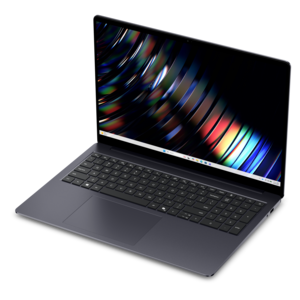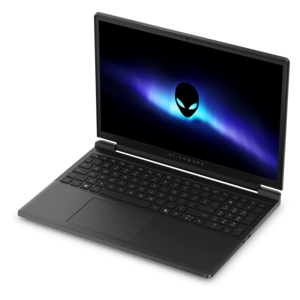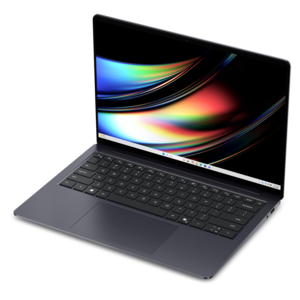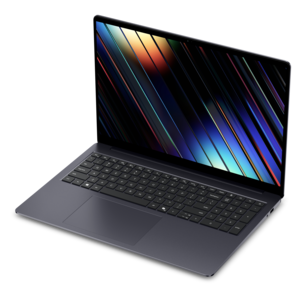
$1279.99
A sleek laptop with a stylish design, delivering powerful performance for modern multitasking.
Sleek gaming laptops combine powerful performance with modern, streamlined designs, making them the ideal choice for gamers who value both style and substance. Whether you're battling opponents online or exploring immersive virtual worlds, these laptops deliver a sophisticated look that fits seamlessly into any setup. Discover a range of sleek gaming laptops engineered to elevate your experience and keep you ahead of the game.
A sleek laptop with a stylish design, delivering powerful performance for modern multitasking.
A sleek laptop powered by the latest AMD Ryzen AI 400 Series processors for demanding users.
A streamlined gaming laptop powered by AMD Ryzen 200 Series processors and NVIDIA GeForce RTX graphics.
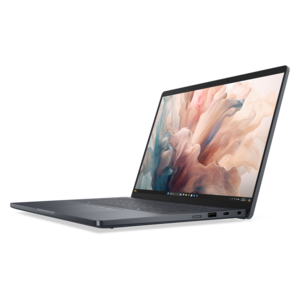
A sleek laptop powered by AMD Ryzen™ AI 400, designed for powerful performance and modern multitasking.
A sleek laptop delivering smooth AI experiences and accelerated creative workflows for demanding high-performance users.
A streamlined gaming laptop delivering essential performance with up to NVIDIA GeForce RTX 50 Series graphics.
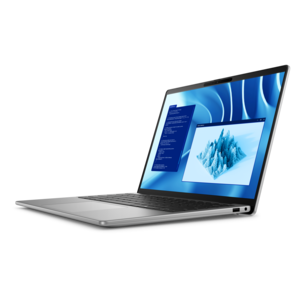
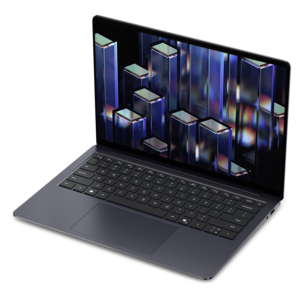
A premium laptop delivering powerful on-device AI, game-changing unplugged performance, and outstanding battery life.
A streamlined gaming laptop delivering exceptional performance with NVIDIA GeForce RTX 50 Series graphics.
A premium laptop with QHD+ resolution, ComfortView Plus, built-in AI, and Intel vPro platform.
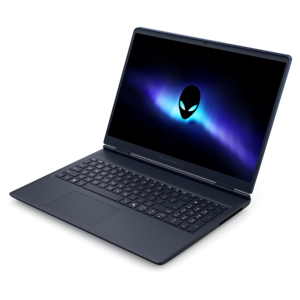
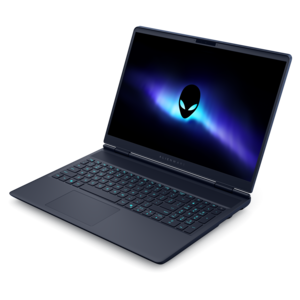
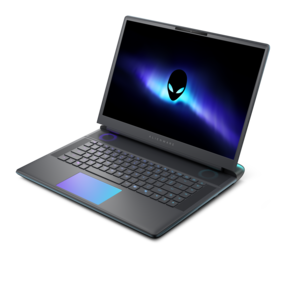
A flagship 16-inch gaming laptop engineered with innovative performance for passionate gamers.
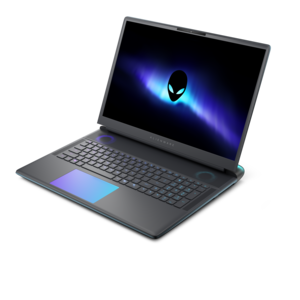
A flagship gaming laptop engineered with innovative performance for passionate gamers.
Sleek gaming laptops bring dedicated gaming performance to a shape that feels at home beyond a gaming desk. Their appeal is easy to picture: a slim notebook tucked beside a notebook and headphones in your bag, a clean-lined machine on a shared apartment table, or a low-profile setup that moves from afternoon work to an evening match without taking over the room. The category typically pairs dedicated graphics and responsive displays with thinner profiles, restrained finishes, and less bulk than traditional gaming designs. Some models keep lighting subtle; others let you switch between a quiet, understated look and a more expressive keyboard glow. For anyone who prefers a minimalist workspace, those details can matter almost as much as the specifications. Sleek does not have to mean the smallest screen, either. A larger laptop with narrow display borders and a carefully proportioned chassis can still look refined, while a compact model may be easier to carry between classes, commute with, or pack for a weekend away. The practical difference often comes down to the whole travel setup: laptop weight, power adapter size, and enough room in your bag to protect the display. Students, frequent travelers, and people who share their living space may appreciate a gaming machine that can be put away easily rather than anchored to one desk. These laptops can also make thoughtful graduation or birthday gifts for someone who wants one computer for everyday tasks and a serious gaming hobby, provided its capabilities fit the games they enjoy. For gift recipients, preferred screen size and keyboard layout are worth knowing in advance; those are details they will notice every day. A streamlined exterior is only part of the attraction. The right balance of screen quality, comfortable controls, useful connections, and sustained performance is what makes a thin gaming laptop feel like a considered purchase rather than simply a good-looking one.
Inside a sleek gaming laptop, the graphics processor, processor, memory, and cooling system work together to determine how games actually feel. Dedicated graphics are especially important for demanding visual effects, higher resolutions, and detailed game environments, but a graphics processor’s name alone does not tell the whole story. Power limits and thermal design can produce meaningful performance differences between laptops using the same graphics family. A thinner chassis may prioritize portability over the highest sustained power, so comparisons are most useful when they reflect the complete laptop configuration rather than a single component. For shoppers exploring that graphics platform, NVIDIA Gaming Notebooks offer another way to narrow the search alongside considerations such as weight, display resolution, and cooling. A capable processor supports game logic, busy multiplayer scenes, and everyday multitasking, while 16GB of memory is a practical starting point for many current games. More demanding titles, creative applications, or gaming while running several other programs may benefit from 32GB. Memory upgrade options vary, and some thin designs use soldered memory, making the original configuration particularly important. A fast solid-state drive helps with system responsiveness and game loading, though capacity deserves equal attention when a few large installations can fill a drive quickly. Available space and expansion options are especially useful considerations for someone who likes to keep a broad library ready to play. Cooling is another defining part of the experience. Well-designed airflow, heat pipes, multiple fans, or a vapor chamber can help manage heat, but no single cooling feature guarantees a quiet or cool-running laptop. Under a demanding game, fan noise and warmer surfaces are normal possibilities, especially in compact designs. Clear ventilation and use on a firm surface help the system operate as intended. The strongest fit is a configuration that delivers the performance you need at a size, sound level, and price you can comfortably live with.
The display and everyday touchpoints give a sleek gaming laptop much of its personality once the specifications are out of the way. Fast-paced competitive games benefit from a high-refresh-rate screen, suitably fast pixel response, and a system capable of producing enough frames to take advantage of that refresh rate. For slower, cinematic games, rich contrast and higher resolution may be more noticeable, particularly when you pause to take in rain-soaked streets or distant mountain scenery. Higher resolution also asks more of the graphics hardware, so a sharper screen is not automatically the better match for every configuration. Panel technology brings its own trade-offs: OLED can offer deep blacks and fast pixel response, while other display types may suit different budgets, brightness preferences, and patterns of everyday use. Screen finish matters in a bright room, and text clarity is important when the same laptop handles long reading sessions or coursework. A comfortable keyboard, a precise touchpad, and a hinge that holds the display steady can make the transition from a spreadsheet to a game feel effortless. Port placement deserves similar attention. A mouse cable crossing your hand or a power connector crowding a small desk becomes noticeable quickly, while convenient connections for an external monitor, headset, and other accessories can make a compact laptop easier to use at home. Battery expectations should reflect the workload: browsing and writing are very different from running a demanding game, and gaming performance is often highest with the appropriate power adapter connected. For someone splitting time between a kitchen table and a dedicated desk, that flexibility can be the real advantage of a slim gaming notebook. It can stay compact during the day, then connect to a larger display and preferred peripherals in the evening. Creative users may also value the same graphics capability for compatible video, design, or 3D applications. A successful choice leaves room for both routines—the practical hours when the laptop needs to be unobtrusive and the downtime when a responsive, immersive gaming experience is the whole point.
Add the products you would like to compare, and quickly determine which is best for your needs.