Smart Locks

Smart locks offer a modern solution for enhancing convenience and security in any home or office. With a variety of innovative options available, these devices make it easy to manage access and monitor entry points with confidence. Whether you're upgrading your current setup or exploring new ways to simplify your daily routine, smart locks provide a seamless integration with today's connected lifestyles. Discover the latest advancements and find the perfect fit for your needs.

Filters

$134.99

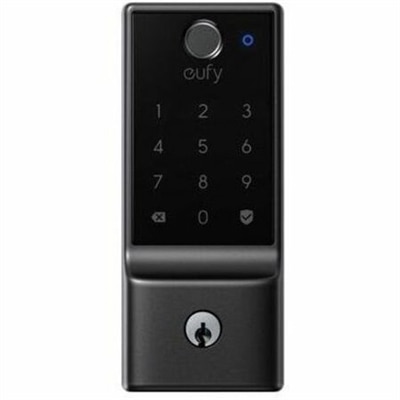
A Matter-compatible smart lock offering fingerprint, keypad, app, key, and voice unlocking with broad ecosystem integration.

$134.99

Smart Locks

Smart locks are electronic door locks that control entry through methods such as a smartphone app, keypad code, fingerprint reader, or compatible voice assistant, depending on the design. Many also retain a physical keyway, combining familiar mechanical access with electronic controls. Their everyday appeal is practical: a resident can enter with groceries in both hands, a dog walker can use an assigned code, and a household can reduce the number of spare keys circulating outside the home. Keypad locks support entry without a phone, while fingerprint readers offer another option for enrolled users. Connected designs may provide remote locking, entry notifications, and access histories when paired with the required network connection or accessories. These capabilities vary, so the distinction between local electronic access and remote connectivity matters. Smart door locks generally fall into two installation styles: complete replacements that change the exterior and interior hardware, and retrofit mechanisms that attach to a compatible existing lock from inside. A retrofit design can preserve an exterior keyway and door appearance, while a full replacement may incorporate an exterior keypad or fingerprint sensor. Fit depends on more than the look of the handle or finish. Door thickness, the diameter and spacing of existing holes, backset measurement, deadbolt configuration, and clearance around nearby trim all influence compatibility. Doors with multipoint mechanisms, interconnected handles, or unusual hardware may require a more specialized solution. A deadbolt also needs to move smoothly into its strike plate; an electronic motor cannot reliably compensate for a sagging door or a misaligned frame. For homeowners, smart locks can make a busy front entrance easier to manage. For renters or condominium residents, permission requirements and building rules are part of the fit. As a housewarming gift, a smart lock is most useful when the recipient’s door hardware, installation preferences, and comfort with connected devices are already understood.

The way a smart lock communicates shapes its intended use. Bluetooth connections typically support nearby interaction with a compatible phone, while remote access generally requires a supported internet connection, either through built-in Wi-Fi or a separate compatible hub or bridge. Some locks work with connected-home systems that bring entry controls together with lighting or other household functions. Compatibility needs to extend beyond a familiar app icon: phone operating systems, required accessories, account permissions, and supported functions all affect the experience. Voice control may support locking or status checks, while unlocking can be restricted or require additional authentication. For a household with several schedules, individual access codes make it easier to distinguish a regular resident’s entry from a visitor’s. Where supported, temporary or scheduled credentials can limit access to a particular afternoon or recurring window, rather than leaving a permanent spare key under a planter. Entry histories can add useful context, but they record lock activity rather than proving who physically passed through a doorway. Automatic locking is another feature with practical differences between designs. A timer may relock after a set interval without knowing whether the door is closed, whereas a compatible door-position sensor can provide additional information. Clear status reporting is especially useful when someone leaves in a hurry and wants to confirm the entrance is secure. Digital security deserves the same attention as physical construction. Support for protected communications, ongoing software updates, strong account authentication, and controlled sharing permissions helps define a connected lock’s long-term suitability. Shared household access works best when each person has an individual credential instead of everyone relying on one administrator account. Smartphone access also involves practical contingencies, including a lost device, an expired session, or an internet interruption. A lock’s documented offline behavior and alternative entry methods are important distinctions for anyone who needs dependable access throughout an ordinary, occasionally unpredictable day.

Materials, weather exposure, and everyday handling influence how a smart lock holds up after installation. Exterior housings and mechanical components may use steel, brass, zinc alloys, or combinations of metal and protective finishes, while interior covers often incorporate molded materials around the electronics and battery compartment. Material names alone do not establish security; the complete lock assembly, strike reinforcement, door construction, and any independently verified performance ratings provide a more meaningful picture. A sheltered entry presents different demands from a door exposed to wind-driven rain, afternoon heat, or freezing temperatures. Published operating-temperature limits and weather-resistance specifications matter, particularly because an exterior keypad and an interior motor housing may have different exposure requirements. Finish selection has both visual and practical value. Matching nearby hinges and handles creates a coordinated entrance, while a surface that tolerates frequent touching is useful on a heavily used family door. Care usually centers on gentle cleaning with a soft cloth and the manufacturer’s recommended products, keeping moisture out of openings and avoiding abrasive treatments that can damage coatings or sensors. Lubrication requirements vary by mechanism, so a general household spray is not automatically appropriate. Battery life depends on factors such as usage, wireless activity, temperature, and resistance from the door hardware. Accessible battery compartments, clear low-battery warnings, and documented backup-entry provisions can make routine upkeep less disruptive. Emergency power contacts, where provided, supply temporary power rather than bypassing authentication. Interior operation and safe exit without depending on a phone or internet connection also deserve attention, along with applicable building and fire requirements. Smart locks address access through a doorway; protecting portable equipment inside calls for a different type of hardware. In a home office or shared workspace, Keyed Laptop Locks can help deter removal of compatible computers by securing them to an appropriate anchor point. Together, these distinct categories support practical security suited to the space and the belongings within it.

FAQs:

Add the products you would like to compare, and quickly determine which is best for your needs.

Add the products you would like to compare, and quickly determine which is best for your needs.