Video Editing Software For Windows
Unlock your creative potential with video editing software for Windows, designed to help you transform raw footage into polished masterpieces. Whether you're an aspiring filmmaker, content creator, or simply looking to preserve memories in style, you'll find a range of intuitive and powerful solutions tailored for every skill level. Explore options that make it easy to craft professional-looking videos right from your Windows device, ensuring your projects always look their best.
This product is not available
Check out the following recommendations.


Video Editing Software For Windows
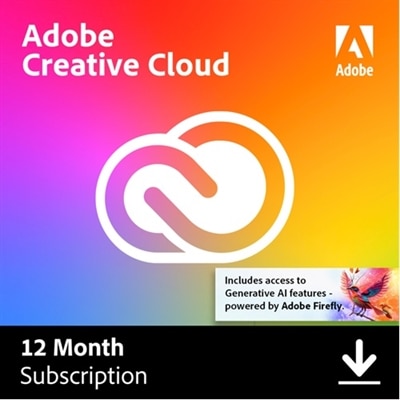
Video editing software for Windows can turn everyday footage into polished stories, whether the source is a family celebration, a classroom presentation, a travel diary, a product demonstration, or a short-form social video. The products in this category range from approachable editors built for quick trimming and simple transitions to advanced creative suites with multitrack timelines, color correction, audio mixing, motion graphics, masking, and precision tools for professional workflows. A beginner may need only a clear drag-and-drop timeline, automatic scene detection, basic titles, and straightforward export settings, while an experienced editor may look for frame-accurate control, support for layered projects, advanced keyframing, and the ability to manage high-resolution footage. Windows users can also find software suited to different styles of storytelling: some editors are designed for fast vertical videos with captions and visual effects, some focus on cinematic color and sound, and others balance creative depth with an interface that feels comfortable after a short learning curve. Built-in or entry-level tools can be especially useful for trimming clips from a phone, assembling a highlight reel, adding music, or preparing a clear video for a presentation. More capable software may be the better fit for creators who regularly work with multiple cameras, voice-over tracks, green-screen footage, animated text, or carefully timed music. When browsing the available options, consider the kind of projects you actually enjoy making rather than choosing solely by the number of features listed. The editor that helps you find a clip quickly and understand the timeline at a glance can be more valuable than one filled with controls that never enter your workflow. A parent preserving a child’s first school performance, a student building a portfolio, and a small business owner recording instructional content may all need different tools, even when they use the same Windows computer.
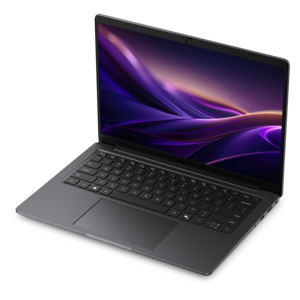
Compatibility is one of the most important purchase considerations. Check that the software supports the version of Windows installed on the computer and review the recommended processor, memory, graphics capability, and available disk space before choosing an application. Editing can place a heavier workload on a laptop or desktop than everyday browsing, particularly when working with 4K footage, multiple video layers, effects, or long recordings. A system with a modern processor, ample memory, and a capable graphics processor can make previews smoother and reduce waiting during rendering. A larger, sharp monitor can also make a noticeable difference when arranging clips, reading small controls, and judging color; a second monitor may be helpful for keeping a media library or script visible beside the timeline. Accessories can improve the experience as well. A comfortable keyboard, precise mouse, headphones, microphone, or external webcam may support a more efficient editing setup, depending on whether the project involves narration, interviews, gaming footage, or live demonstrations. File compatibility deserves attention, too. Look for support for the formats used by your camera, phone, screen recorder, or action camera, along with export choices that match the destination. A creator posting vertical clips may value preset dimensions and automatic captions, while someone preparing a film for a large display may prioritize high-resolution output, color management, and detailed audio controls. Hardware acceleration, proxy editing, background rendering, and customizable keyboard shortcuts can help keep complex projects responsive. Features powered by artificial intelligence may assist with transcription, caption generation, silence removal, object selection, or scene organization, but it is still wise to review automated results carefully. Names can be misheard, captions can miss punctuation, and a quick effect can change the mood of a scene in ways that are not immediately obvious. A free edition can be a sensible starting point for learning, although export resolution, watermarks, premium effects, or advanced formats may vary. Subscription and one-time purchase models also differ, so review what is included and whether updates, templates, fonts, music, or collaboration tools require an additional plan.
The best choice often becomes clearer when you picture the finished video and work backward. If the goal is a quick sequence of weekend footage, an editor with templates, one-click enhancements, simple music timing, and an uncluttered timeline may keep the process enjoyable. If the goal is a polished channel, documentary, short film, or professional presentation, look for deeper tools for color grading, audio cleanup, motion design, subtitles, and project organization. Collaboration features can matter when several people review scripts, exchange edits, or approve a final cut from different locations, while local workflows may suit someone who prefers to keep every step on one Windows PC. New editors benefit from guided tutorials, searchable help, sample media, and an interface that reveals advanced controls gradually. Experienced creators may prefer customizable workspaces, batch processing, detailed export presets, and keyboard-driven editing that makes repetitive tasks feel almost musical: select, cut, ripple, place, and preview in a steady rhythm. Video editing software can also make a thoughtful gift for a student exploring digital media, a hobbyist recording outdoor adventures as the weather warms, or a family member assembling memorable clips during the cooler months. The most useful gift is usually one that matches the recipient’s computer, creative interests, and patience for learning. Before selecting an application, review the trial or free version when available, confirm the computer meets the requirements, and consider whether the interface feels natural after completing a small test project. For shoppers comparing software that works across different computer platforms, this broader selection of Video Editing Software For Mac And Windows can provide helpful context. With the right combination of software, a dependable Windows laptop or desktop, a comfortable monitor, and a few well-chosen accessories, editing can move from a pile of disconnected clips to a finished story with a clear beginning, satisfying middle, and memorable final frame.
FAQs:
When choosing video editing software for Windows, consider features such as an intuitive user interface, support for various video formats, built-in effects and transitions, audio editing tools, and export options for different platforms. Advanced users may also want options like multi-track editing, color correction, motion graphics, and integration with other creative apps.
Yes, beginner-friendly video editing software typically offers simplified timelines, drag-and-drop functionality, and preset templates for quick edits, making it easy to learn and use. Professional software, on the other hand, provides advanced tools like keyframing, multi-cam editing, color grading, and more granular control over every aspect of the editing process, catering to users with more experience or complex project needs.
Most modern video editing software for Windows supports a wide range of video formats, including those captured on smartphones. This means you can easily import, edit, and enhance videos shot on your mobile device, then export your finished project in the desired resolution and format.
Hardware plays a significant role in video editing performance. While entry-level software may run smoothly on most modern PCs, advanced video editing software often requires a powerful processor, ample RAM, and a dedicated graphics card to handle high-resolution footage and complex effects without lag.
Yes, there are several free video editing software options for Windows that offer a range of features suitable for both beginners and more experienced users. These free tools often include basic editing capabilities, effects, and export options, making them a great starting point for anyone new to video editing or working on a budget.