Waterproof Laptops
Discover the perfect blend of durability and performance with waterproof laptops, designed to keep up with your adventurous lifestyle. Whether you're working on the go, exploring the great outdoors, or simply looking for a device that can withstand everyday spills and splashes, these laptops offer peace of mind and reliability. Engineered to endure various environments without compromising on speed or functionality, waterproof laptops are an ideal choice for professionals, students, and tech enthusiasts alike. Dive into a world of possibilities while ensuring your technology stays protected no matter where life takes you.
This product is not available
Check out the following recommendations.
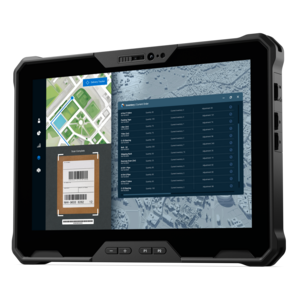
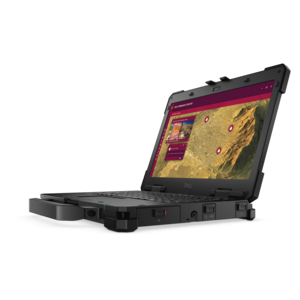
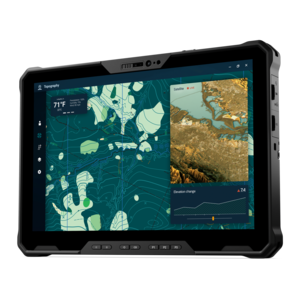
Waterproof Laptops
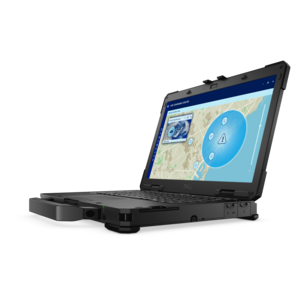
Waterproof laptops are generally rugged or water-resistant computers designed to tolerate specified levels of moisture exposure, rather than ordinary notebooks that can be safely submerged. The distinction matters when a laptop moves between a dry office, a rain-soaked jobsite, and the front seat of a work vehicle. Water resistance describes protection under defined test conditions; it does not promise protection against every spill, storm, or accidental dip. A spill-resistant keyboard may help limit damage from a small amount of liquid on the typing surface, but it does not necessarily protect the screen assembly, ventilation openings, or external connections. Rugged laptops can provide broader protection through reinforced construction, gaskets, covered ports, and other barriers that help keep moisture away from sensitive components. The clearest indication of that protection is a documented ingress protection, or IP, rating for the complete device. In a two-digit IP rating, the first digit describes resistance to solid particles and the second describes resistance to water. IP53 means dust-protected construction and protection against spraying water up to 60 degrees from vertical under specified test conditions. IP65 indicates a dust-tight enclosure with protection against water jets, while IP66 indicates a dust-tight enclosure with protection against powerful water jets. Neither IP65 nor IP66 establishes suitability for submersion. Immersion protection requires a separately documented rating, such as IP67 or IP68, with applicable limits; even then, the manufacturer’s stated conditions remain essential. For shoppers comparing waterproof laptops, rugged laptops, and spill-resistant notebooks, these distinctions provide more useful context than the word “waterproof” alone. They also explain why a computer intended for occasional keyboard spills is different from one intended for sustained outdoor work. Rain exposure, wind-driven moisture, open connector covers, and wear on seals can all affect real-world performance. Freshwater test results should not be treated as a guarantee against saltwater, hot liquids, cleaning chemicals, or sugary drinks, which can introduce corrosion, residue, and other damage beyond the effects of water itself.
Construction and everyday usability are closely connected in a water-resistant laptop. Depending on the design, a reinforced metal chassis, durable polymer housing, protective corner bumpers, and a securely latched display can help a computer withstand the knocks that accompany mobile work. Seals and connector covers add protection, but their effectiveness depends on their condition and correct positioning. A charging cable or attached accessory may require a cover to remain open, changing the protection available during use. Ruggedness also extends beyond moisture: documented testing may address drops, vibration, temperature extremes, or dust. References to military test methods, including MIL-STD-810H, are most meaningful when accompanied by the actual tests and conditions completed; they do not independently establish a waterproof rating or make every rugged notebook equally durable. These details matter to construction supervisors updating drawings beside a muddy foundation, utility technicians entering inspection results, and researchers recording observations beneath a damp canopy. For such users, the computer must remain practical as well as protected. A bright, low-reflection display can make text easier to read outside, while a keyboard with well-spaced keys can support comfortable typing during long reports. Touchscreen operation with gloves or moisture on the surface is a separate capability that should be explicitly documented rather than assumed. Screen size, carrying weight, and overall dimensions influence how comfortably a laptop fits into a workday, whether it rests on a folding table or travels between inspection points. Reinforced designs can be thicker and heavier than conventional notebooks, so carrying handles, compatible straps, and a properly fitted bag may make frequent transport easier. Inside, processing performance, memory capacity, and battery endurance still need to match the workload. Basic forms and email place different demands on a laptop than detailed mapping, design applications, or image review. Wireless connectivity can support mobile workflows, although reception depends on the location and service conditions. The most suitable balance is protection matched to the environment without overlooking the typing comfort, screen readability, and application performance needed throughout the day.
Water-resistant laptops can suit people whose work routinely puts a computer close to weather, damp surfaces, or accidental splashes, but their intended use should shape expectations. A field technician may value protected connections and a secure vehicle mount, while a facilities coordinator may need a notebook that travels reliably between indoor offices and exposed walkways. Outdoor photographers and survey teams may use rugged computers to review images, complete records, and organize files away from a conventional desk. For workflows that also involve photographing wet locations, Water Resistant Cameras offer a related category to consider, with their own device-specific protection ratings and handling requirements. Students and frequent travelers may instead need protection mainly during transport, where a correctly sized water-resistant sleeve or protective case can help shield a closed laptop from incidental moisture. That accessory does not change the laptop’s own rating, and protection while packed does not extend automatically to use in the rain. Fit matters: an enclosure should accommodate the computer’s thickness without pressing against hinges or connectors, and a transport sleeve should not block airflow during operation. Routine care helps preserve protective features over time. Grit around a port cover, a damaged gasket, or a latch that no longer closes securely can compromise an otherwise durable design. Cleaning should follow the manufacturer’s directions, using approved methods rather than forceful sprays or harsh chemicals. A damp computer should not be connected to power until it has been assessed and dried as directed, and visible dryness alone does not establish that internal components are safe. Moving from cold outdoor air into a warm room can also cause condensation, making the documented temperature and humidity limits relevant even when rain is not present. Regular backups remain important because physical protection cannot eliminate every cause of data loss. For a practical gift, compatibility with the recipient’s software, preferred screen size, carrying needs, and actual working environment matters more than rugged styling. The lasting value of a waterproof-themed laptop is its documented ability to support everyday tasks in the conditions it was built to handle.
FAQs:
When selecting a water resistant or waterproof laptop, consider features like an IP rating for ingress protection, sealed ports, spill-resistant keyboards, and a ruggedized chassis. These elements help ensure the laptop can withstand exposure to water, dust, and other challenging conditions.
Water resistant laptops are especially useful for professionals working in field environments, students who study outdoors, travelers, and anyone with an active lifestyle. They are also ideal for those who need reliable technology in unpredictable weather or rugged conditions.
Rugged laptops achieve water resistance through design elements such as sealed or covered ports, reinforced and gasketed casings, spill-resistant keyboards, and internal coatings that protect sensitive components from moisture and dust.
Yes, there is a difference. Water resistant laptops can handle minor exposure to moisture, such as spills or light rain, while waterproof laptops are designed to withstand more significant water exposure. Most consumer and rugged laptops are water resistant rather than fully waterproof.
Absolutely. Many users pair their rugged laptops with water resistant accessories and devices, such as protective cases, water resistant external drives, and Water Resistant Cameras, to create a complete solution for working or capturing content in challenging environments.