$2947.76
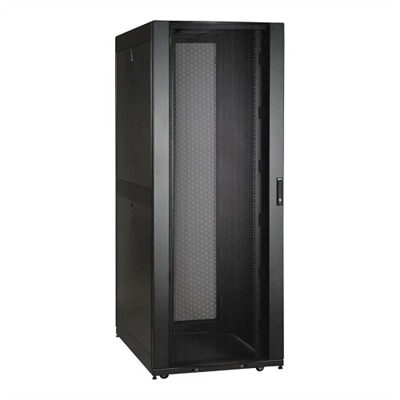
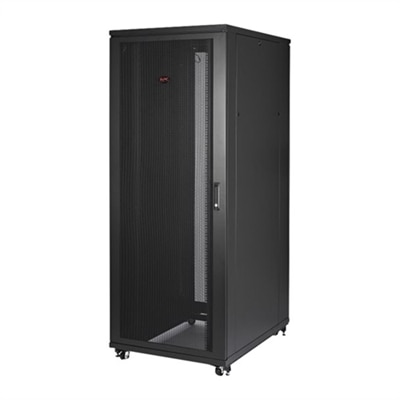
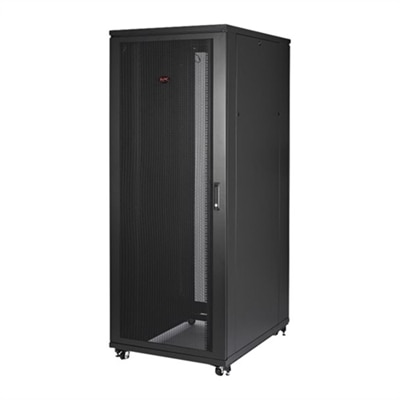
A wide 42U rack enclosure with cable management, adjustable rails, and secure locking doors.
Racks for servers are essential components in any data center or IT environment, providing the necessary framework to organize and manage your server hardware efficiently. Designed to maximize space while ensuring optimal airflow and accessibility, these racks play a crucial role in maintaining the performance and longevity of your equipment. Whether you're setting up a small office network or managing a large-scale data center, investing in high-quality racks for servers can help streamline your operations and enhance overall system reliability. Explore our selection to find the perfect solution for your specific needs.
A wide 42U rack enclosure with cable management, adjustable rails, and secure locking doors.
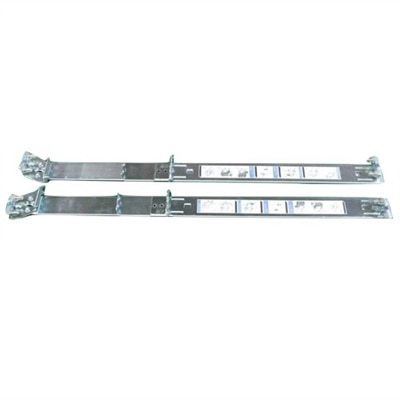
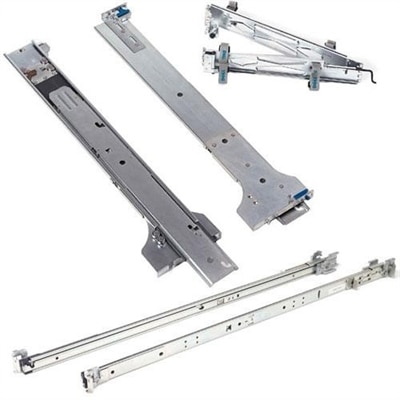
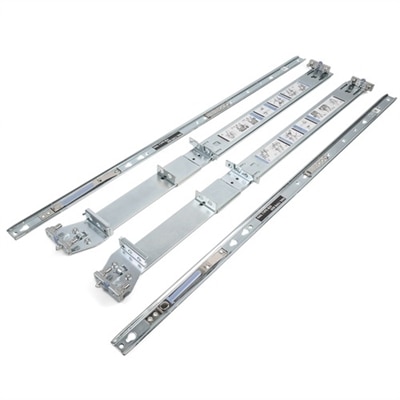
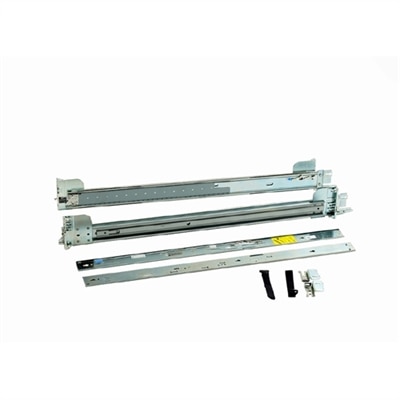
A versatile static rail kit offering tool-less support for 2/4-post racks with various mounting holes.
A versatile static rail kit offering tool-less support for various 2/4-post racks with mounting options.
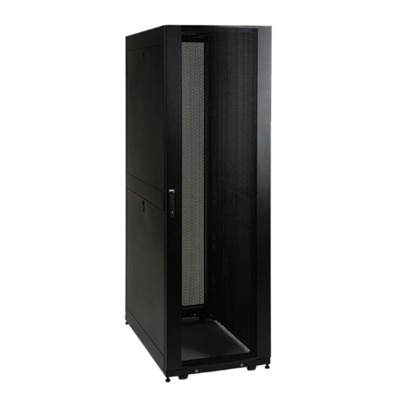
A black IT enclosure designed for versatile rack-mount equipment in diverse IT environments.
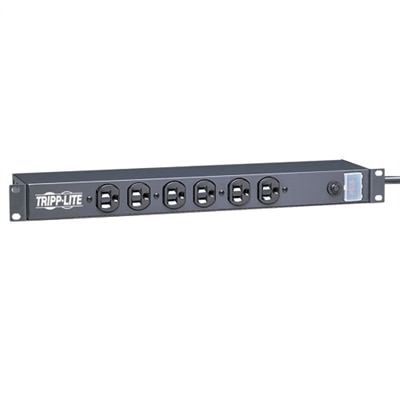
A black, all-metal 14-outlet surge protector with 3000 joules and versatile mounting options.
A powerful server with advanced processing, scalable storage, and robust security features for data centers.
A black 42U rack enclosure with adjustable rails, locking doors, and PCI DSS compliance.
A black 48U 19-inch rack cabinet with lockable doors, side panels, and casters for secure mobility.
A versatile static rail kit offering tool-less support for 2U systems in various rack types.
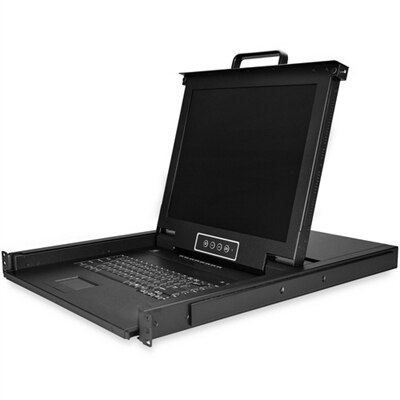
An all-in-one black rackmount console with 17" LCD, keyboard, touchpad, and 8-port USB/VGA KVM switch.
A black server rack enclosure with 45U capacity, adjustable rails, and secure locking doors.
A tool-less sliding rail kit for 1U systems, compatible with various rack types and optional CMA.
A tool-less sliding rail kit for 1U systems, compatible with various rack types and optional cable management.
A 1U, two-socket server optimized for dense database analytics and high-density virtualization workloads.
A compact 17-inch one-socket rack server designed for Near-Edge and SMB customer needs.
A compact 1U server designed for SMBs, ROBO, and Near-Edge computing demands.
A high-performance 2U rack server with Intel Xeon processor, 480GB SSD, and 32GB DDR5 memory.
A 2U dual-socket rack server with AMD EPYC 9355 processor and 480GB SSD for exceptional performance.
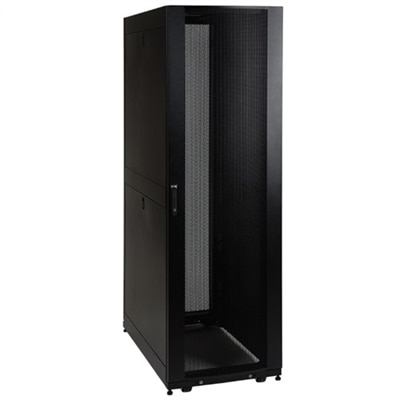
A black floor-standing IT rack with cable management for data centers and server rooms.
A flexible rack server with 4th gen AMD EPYC processors for powerful data center performance.
A high-performance, air-cooled rack server with AMD EPYC processor and 480GB SSD for scalable data centers.
A 1U, one-socket rack server designed for energy efficiency and cost-effectiveness in data landscapes.
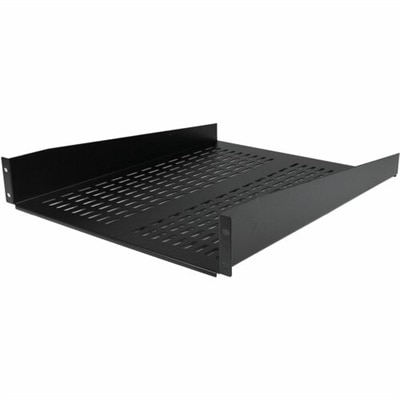
A black, vented 2U rack-mountable steel shelf designed for improved airflow and secure equipment storage.
An extra-deep black server rack enclosure with airflow management, security features, and customizable options.
When it comes to organizing and safeguarding critical computing equipment, a quality rack for servers is an essential investment for both small businesses and larger enterprises. Server racks are designed to provide a secure, efficient, and scalable environment for housing tower servers, networking hardware, and other vital IT components. Whether you're setting up a compact office network or expanding an existing infrastructure, the right rack solution can make a significant difference in performance, cooling, and ease of management. As the weather warms and projects ramp up, many IT professionals and business owners take the opportunity to reconfigure their workspaces, making it an ideal time to consider how a dell server rack can streamline operations. These racks are engineered to maximize airflow, simplify cable management, and provide robust physical security, all while accommodating a range of equipment sizes and configurations.
For those managing growing data needs, choosing the appropriate size and type of server rack is crucial. Options like the dell server rack 42u offer ample vertical space for accommodating multiple devices within a compact footprint, making them a popular choice for organizations anticipating future expansion. Meanwhile, a rack for tower server configurations allows for flexibility when transitioning from standalone units to more centralized setups. Proper rack selection not only helps in maintaining optimal operating temperatures but also in reducing noise and minimizing downtime due to easy access for maintenance. IT managers, system administrators, and even tech-savvy enthusiasts often find that investing in a well-designed server rack pays dividends in reliability and peace of mind. For those giving a practical gift to a friend or family member launching a small business or home office, a sturdy server rack can be a thoughtful and functional choice that supports their ambitions well into the cooler months ahead.
Selecting from the range of dell server racks means considering factors like load capacity, ventilation, and compatibility with existing hardware. Many users appreciate the modularity and adaptability these racks provide, allowing for seamless integration of additional accessories as needs evolve. While browsing product lists and reviews—such as a dell dish rack review for organizational inspiration—it's helpful to envision how each rack might fit into your unique workspace, whether that's a dedicated server room or a corner of a bustling office. For those exploring scalable solutions or seeking to learn more about the full spectrum of rackmount options, the Rackmount Servers page offers further insights and resources to help guide your decision. Ultimately, a well-chosen server rack not only protects valuable technology but also lays the groundwork for efficient, reliable operations throughout the year.
A computer server rack cabinet helps organize and protect your technology equipment by providing a structured, secure environment. It enhances airflow for better cooling, simplifies cable management, and allows for easy access during maintenance or upgrades. This organization supports both efficiency and scalability as your needs grow.
Data center server racks are commonly used by IT professionals in businesses, educational institutions, and organizations that require reliable, high-performance computing environments. They are also popular among tech enthusiasts and home lab builders who want to keep their equipment organized and accessible.
A dell server rack is designed with features like cable routing channels, tie points, and sometimes integrated cable management arms. These elements help keep cables organized, reduce clutter, and minimize the risk of accidental disconnections, making maintenance and upgrades more efficient.
Yes, rack server dell setups are designed with scalability in mind. As your requirements evolve, you can add more servers, storage, or networking equipment to your existing rack, allowing your infrastructure to grow without major reconfiguration.
Absolutely. A server rack makes a practical and thoughtful gift for anyone building a home lab or setting up a personal tech workspace. It helps keep hardware organized, protected, and ready for expansion as their interests and projects develop.
Add the products you would like to compare, and quickly determine which is best for your needs.



![APC NetShelter SX, Server Rack Enclosure, 42U, without Doors, Black, 1991H x 600W x 1070D mm [TAA]](https://snpi.dell.com/snp/bysku/images2/400/a7615676.jpg)