Windows System Diagnostic Tools
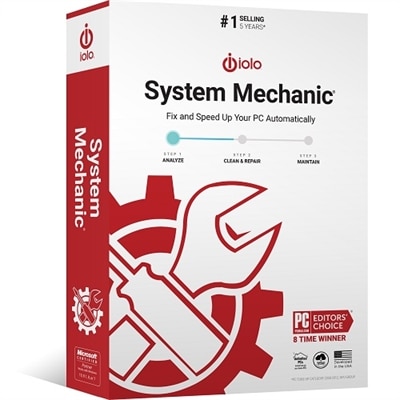
Windows system diagnostic tools are essential for maintaining the health and performance of your computer. Whether you're troubleshooting issues, optimizing speed, or ensuring your device runs smoothly, these tools help you identify and resolve potential problems efficiently. Explore a wide selection of Windows system diagnostic tools designed to support both everyday users and professionals in keeping their systems operating at their best.
This product is not available
Check out the following recommendations.



Windows System Diagnostic Tools
Windows system diagnostic tools help turn vague computer trouble into useful information. A laptop that takes several minutes to start, a desktop that freezes when several applications are open, or a display that briefly goes black may be showing symptoms of a software problem, a memory issue, a failing drive, an outdated driver, or a temperature and power concern. The right diagnostic utility can scan the system, record error details, test individual components, and point toward practical next steps. Windows includes several built-in options for getting started. The System Health Report, opened by pressing Win + R, entering perfmon /report, and selecting Enter, creates a detailed snapshot of performance, hardware status, configuration settings, and reported problems. System File Checker, run with sfc /scannow in an administrator Command Prompt, checks protected Windows files and replaces damaged or missing versions when possible. Windows Memory Diagnostic, launched with mdsched.exe, tests system memory after a restart, making it useful when applications close unexpectedly, blue screens appear, or the computer behaves differently from one session to the next. Check Disk, accessed with chkdsk, examines the file system and can identify certain drive errors; repair options may require a restart and should be used carefully. Event Viewer provides another layer of context by organizing warnings, errors, and critical events into logs. These utilities do not all solve the same problem, and a single warning does not always indicate an imminent failure. Reading the date, frequency, and pattern of an error is often more helpful than reacting to one isolated entry.
When comparing products in this category, start with compatibility and the kind of diagnosis you need. A tool designed for Windows 11 may not offer the same features on Windows 10, while some utilities support both versions but require particular editions, permissions, or system updates. Look for clear information about supported operating systems, processor architecture, memory requirements, installation method, and whether an internet connection is needed for updates or reporting. Some options run inside Windows and are convenient for routine checks; others can start from removable media, which is useful when the operating system will not load normally. Consider whether the software tests one area, such as memory or file integrity, or provides a broader dashboard with hardware identification, temperature readings, driver status, startup activity, and event history. Reporting matters as much as scanning. Plain-language explanations, severity labels, exportable reports, and repair recommendations can make a substantial difference for a first-time user, while advanced users may prefer detailed log files and configurable tests. Privacy deserves attention as well. Review what information is collected, whether reports leave the computer, how long diagnostic data is retained, and whether the license covers one computer or several. A trustworthy utility should make it clear before a scan begins if it will restart the system, modify files, quarantine anything, or ask for administrator access. Keeping a recent backup of important documents is a sensible precaution before running repair commands, especially when a computer is already showing signs of instability. For additional tools and compatible software options, explore Windows Software and compare each listing with the computer’s operating system and intended use.
These tools can serve a wide range of people. A student may use a health report to understand why a notebook slows down during a video call and a browser-heavy study session. Someone working from home can use event logs and startup information to investigate repeated application crashes before an important presentation. Families often appreciate straightforward utilities that help keep a shared computer dependable, while small-business owners and independent professionals may value repeatable reports that document a problem before contacting technical support. They can also be a practical gift for a relative who enjoys maintaining a personal computer, assembling a home office, or learning more about how Windows works, particularly when the software includes guided scans instead of assuming advanced technical knowledge. Pairing diagnostic software with a comfortable laptop, desktop, monitor, or keyboard and mouse setup can make troubleshooting less frustrating because the user has a reliable way to read reports, follow instructions, and compare performance over time. A few habits make any diagnostic tool more useful: note when the problem started, record what changed beforehand, run one test at a time, save the results, and repeat a test only when the instructions call for it. If a scan reports repeated memory errors, severe file-system problems, overheating, unusual noises, a burning smell, or sudden shutdowns, stop using the computer for demanding tasks and seek qualified assistance. Diagnostic software can reveal clues and sometimes repair common Windows issues, but it cannot replace professional evaluation when physical damage or component failure is suspected. With compatible tools, clear reports, and a measured approach, a product from this category can help users move from guesswork to a more organized plan for maintaining a stable Windows computer.
FAQs:
Windows system diagnostic tools can help identify a range of common PC issues, including memory errors, corrupted system files, hard drive problems, application crashes, and system instability. These tools provide insights into both hardware and software-related concerns, making it easier to troubleshoot and maintain optimal performance.
Diagnostic tools are useful for a wide range of users, from home office workers and students to IT professionals and small business owners. Anyone looking to keep their PC running smoothly, prevent unexpected downtime, or perform regular maintenance can benefit from incorporating these tools into their routine.
Yes, most Windows system diagnostic tools are designed to work on both laptops and desktops. They are compatible with a variety of hardware configurations and can be used to monitor and troubleshoot issues on different types of devices running Windows.
Absolutely. Regular use of diagnostic tools can help catch potential problems early, such as detecting failing hardware or software conflicts, allowing you to address them before they impact your workflow. This proactive approach helps extend the lifespan of your device and ensures a smoother user experience.
Many Windows system diagnostic tools are designed with user-friendly interfaces and step-by-step instructions, making them accessible even for those with limited technical experience. Built-in Windows utilities often provide guided troubleshooting, while third-party tools may offer additional features for advanced users.