$49.99
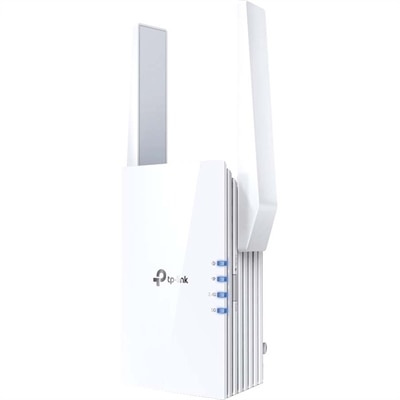
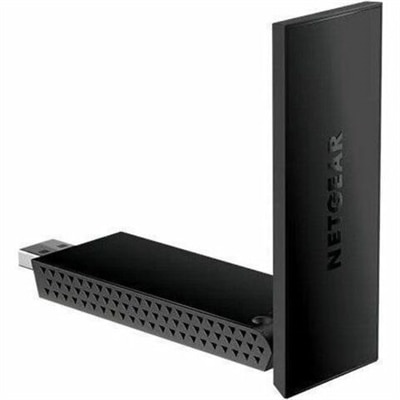
A dual-band Wi-Fi 6 USB 3.0 adapter with flexible antenna for reliable PC and notebook connectivity.
Transform your digital experience with cutting-edge wireless connectivity solutions that seamlessly integrate into your lifestyle. Whether you're looking to enhance your home network, boost productivity in the office, or enjoy seamless streaming and gaming, our selection offers unparalleled flexibility and convenience. Explore a range of advanced technologies designed to keep you connected without the clutter of cables. Discover how wireless connectivity solutions can elevate your everyday interactions, ensuring you stay in touch with what matters most.
A dual-band Wi-Fi 6 USB 3.0 adapter with flexible antenna for reliable PC and notebook connectivity.
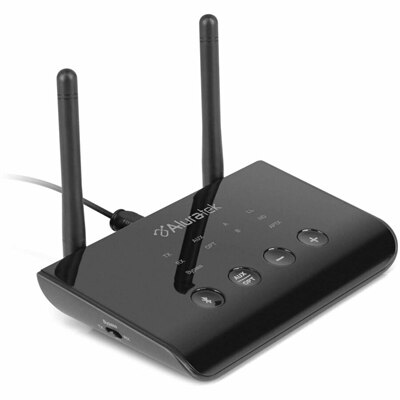
A Bluetooth 5 adapter offering dual modes, aptX Low Latency, and optical, RCA, or AUX connectivity.
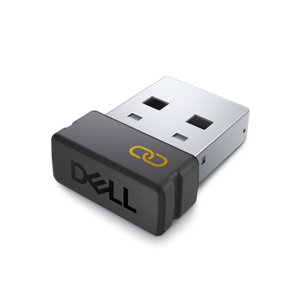
An encrypted USB receiver using FIPS-approved algorithms for secure keyboard and mouse connectivity.
A USB-C wireless dongle that pairs seamlessly with compatible gaming headsets for convenient cord-free audio.
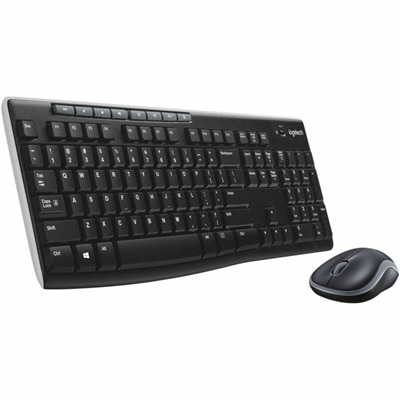
A black wireless keyboard and mouse combo with 2.4 GHz connectivity and long battery life.
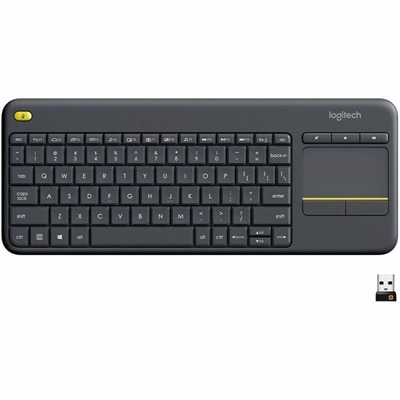
A wireless keyboard with integrated touchpad, comfortable media controls, and 10-meter range for seamless entertainment navigation.
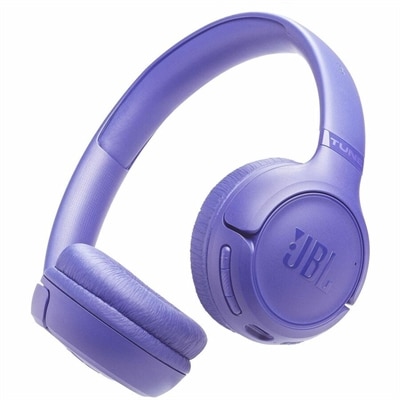
A wireless on-ear headset delivering Pure Bass audio, 76-hour battery life, dual-mic calls, and foldable comfort.
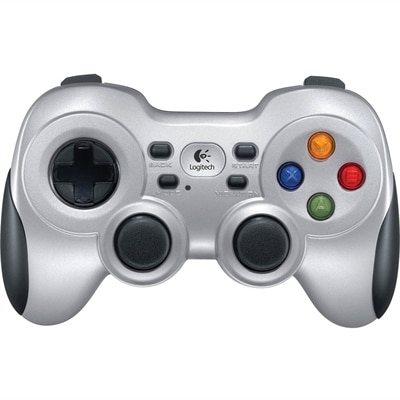
A wireless gaming controller with dual vibration feedback, XInput/DirectInput support, responsive D-pad and Android TV compatibility.
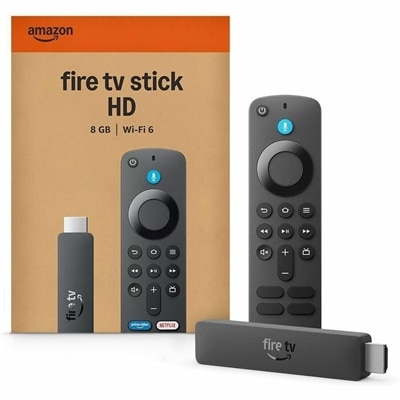
A wireless HD streaming media player with Full HD video, Wi-Fi 6, Alexa+, and 8GB storage.
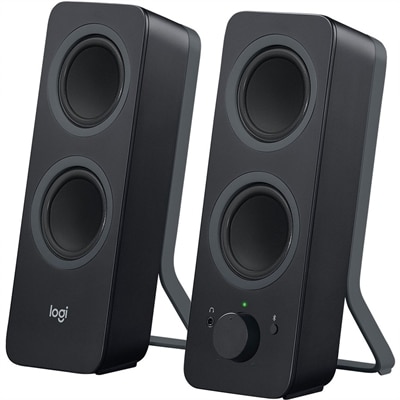
A black Bluetooth speaker system with four drivers, 10W peak power, 3.5mm input, and Easy-Switch controls.
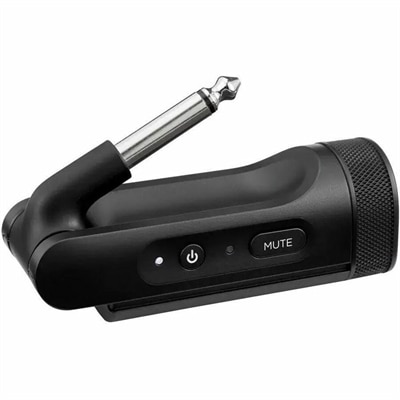
A wireless RF transmitter for 1/4-inch instruments, pairing effortlessly with the S1 Pro+ Wireless PA System.
A wireless inkjet printer delivering detailed color output with five individual ink tanks, versatile connectivity, and automatic paper feeding.
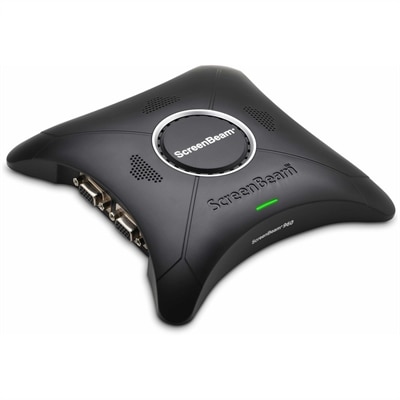
A wireless display receiver enabling app-free presentations, extended desktops, interactive touch, and centralized remote management.
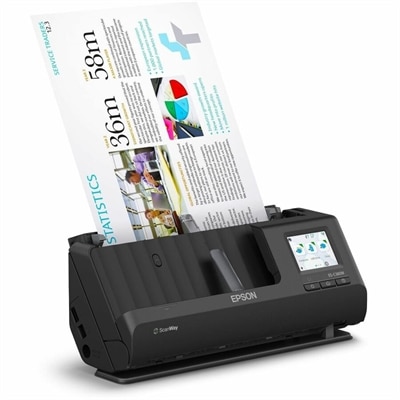
A wireless sheetfed scanner with 600-dpi optical resolution, duplex scanning, 20-page ADF, and 30-ppm performance.
A versatile Thunderbolt 5 smart dock delivering up to 300W power with remote management capabilities.
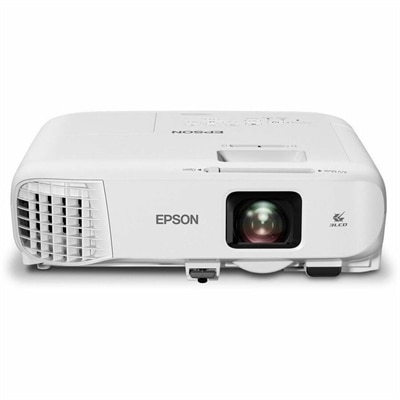
A bright white 4,100-lumen Full HD projector featuring 3LCD technology, Wi-Fi 6/6E, and wireless screen mirroring.
Wireless connectivity solutions make it easier to keep everyday technology in contact without relying on a tangle of cables. At home, in a small office or while traveling, Wi-Fi provides local access for laptops, desktops, displays and other connected equipment, while Bluetooth is well suited to nearby accessories such as keyboards, mice, headsets, speakers and input devices. Cellular connectivity, including 4G LTE and 5G, extends access beyond a fixed location for people who work from different rooms, commute between appointments or need a dependable connection when a traditional broadband signal is unavailable. Short-range options such as Bluetooth Low Energy are designed to use very little power, making them useful for compact accessories and personal devices. Newer mesh technologies, including Thread and Zigbee, can help smart devices pass information from one another across a home or workplace, creating broader coverage than a single short-range connection. For a closer look at wireless-ready technology and accessories, browse Wireless Devices. When comparing options, begin with the setting rather than the feature list. A quiet home office may need a steady connection for video calls, cloud applications and large files, while a shared family space may place greater demands on simultaneous streaming, gaming, browsing and smart-home activity. A traveler may prioritize compact size, battery efficiency and cellular flexibility. Thinking about where a device will be used, how far it will sit from the source of the signal and how many other devices will share that connection can narrow the choices more effectively than focusing on maximum theoretical speed alone.
Coverage and consistency deserve as much attention as headline performance. Thick walls, metal furniture, appliances and neighboring wireless signals can weaken a connection or create uneven performance from one room to the next. A solution with suitable range, multiple frequency bands and support for current Wi-Fi standards can help maintain a smoother experience, especially when several people are online at once. Lower-frequency bands may travel farther through a home, while higher-frequency bands can offer faster performance at shorter distances; a capable device can help balance those tradeoffs. Mesh systems are another consideration for larger homes, multiroom workspaces or buildings where one central signal leaves dead spots. Rather than treating every room as a separate island, mesh connectivity can coordinate several points of coverage and guide devices toward the strongest available path. For short-range accessories, check Bluetooth compatibility, supported profiles, operating-system support and expected battery life. A keyboard that connects quickly and stays paired through a full workday can make a desk feel calmer; a wireless headset with reliable range can let someone step away from a laptop without interrupting a conversation. USB adapters and other compact accessories may also help older computers connect to newer wireless standards, but available ports, driver support and operating-system compatibility should be confirmed before purchase. Security is equally important. Look for modern encryption, strong password controls, automatic firmware updates and straightforward management settings, particularly when a wireless connection will carry work documents, financial information or personal files.
Different environments call for different types of wireless connectivity. Cellular 4G LTE and 5G can provide wide-area access for mobile workers, temporary workspaces and locations where fixed service is limited. Performance depends on carrier availability, signal strength, plan requirements, device compatibility and local conditions, so coverage maps are helpful but should not be treated as a guarantee inside every building. In larger offices, campuses or public venues, distributed antenna systems can improve indoor cellular reach by carrying a signal through areas that otherwise experience weak reception. Dedicated cellular approaches, including private LTE and CBRS-based deployments, may be considered by organizations that need controlled coverage for specialized operations, though installation, spectrum availability and ongoing management can require professional planning. Cloud-managed wireless hardware can give administrators a central way to review connected devices, adjust access settings, monitor performance and apply security updates, which is useful when a workspace has many users or several locations. For a home user, the priorities may be simpler: easy setup, dependable coverage, parental controls and clear guest access. For a student, a compact wireless setup can free a desk from unnecessary cords and make it easier to move between study areas. For a remote employee, reliable Wi-Fi paired with a comfortable wireless keyboard, mouse or headset can turn a spare room, kitchen table or quiet corner into a more productive workspace. These products can also make practical gifts for someone setting up a first apartment, refreshing a home office or replacing worn accessories, particularly when the recipient values a cleaner desk and fewer cables. As the weather shifts between warmer and cooler days, wireless flexibility remains useful indoors and out, helping people move from a sunlit table to a dedicated desk, stay connected during travel and keep essential devices ready wherever the day leads.
Add the products you would like to compare, and quickly determine which is best for your needs.