Workplace Desks
Elevate your professional environment with workplace desks designed to support productivity and organization. Whether setting up a home office or enhancing a corporate space, discover a range of workplace desks that blend style and functionality. Find the ideal workspace solution to suit your needs while creating a comfortable and efficient area for daily tasks. Explore options that complement any décor and help you stay focused throughout the workday.
This product is not available
Check out the following recommendations.
Workplace Desks
Workplace desks provide the foundation for everyday tasks, from answering messages and reviewing spreadsheets to sketching concepts and meeting with colleagues on video. Their usefulness depends on how well the work surface, overall footprint, and layout match the person and the room. A compact rectangular desk can create a dedicated workspace in an apartment or a small private office, while an L-shaped configuration provides separate areas for computer work and paperwork without spreading everything across one narrow surface. Larger wraparound layouts accommodate projects that involve several reference documents, although they also require enough room for a chair to move freely and for people to pass behind it. Desk depth matters as much as width: a surface that holds a keyboard comfortably may still feel cramped once a monitor base, notebook, and task light are in place. Sufficient depth allows the display to sit at a comfortable viewing distance while leaving room for forearms and frequently used accessories. For someone working primarily from a laptop, a modest surface may be enough; for an analyst comparing information across multiple monitors, usable desktop area and equipment support become more important. Rounded corners can be helpful along busy walkways, and a gently finished front edge feels more comfortable where arms rest during longer sessions. Drawers and shelves keep pens, documents, and personal belongings nearby, but their placement affects knee clearance and chair positioning. An uncluttered underside is especially useful for people who shift positions throughout the day or use a wider chair. In shared workplaces, consistent desk dimensions can help create an orderly layout, while modular configurations offer flexibility as teams and responsibilities change. At home, finishes that complement surrounding furniture help a workstation feel like part of the room rather than a temporary addition. The most practical workplace desks balance these everyday needs with the actual space around them, including door swings, nearby outlets, floor vents, and the clearance needed to sit down or step away comfortably.
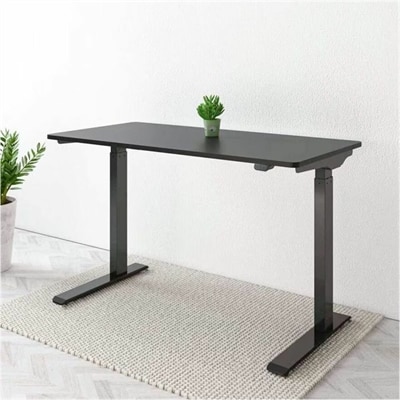
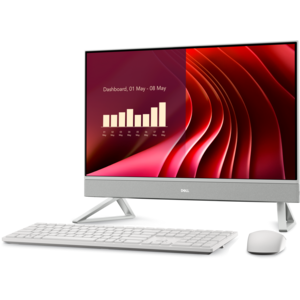
Fixed-height desks and adjustable-height desks serve different working patterns. A stationary desk offers a straightforward surface for seated tasks, with fewer moving components and a predictable relationship to adjacent furniture. Its fit depends on the combination of desk height, chair adjustment, and the user’s proportions. Comfortable positioning generally allows relaxed shoulders, elbows close to the body, and feet supported by the floor or a footrest. A desk that is too high can encourage raised shoulders, while a low underside can restrict leg movement even when the desktop itself appears spacious. Sit-stand desks make it possible to alternate between seated and standing work, either through a manual adjustment or a powered lifting mechanism. Their adjustment range needs to suit the intended users in both positions; a desk that reaches a comfortable standing height for one person may not suit a taller coworker. Smooth movement, accessible controls, and stability at the upper end of the range are meaningful considerations, particularly when the surface holds monitors or when handwriting is part of the day. Changing position does not replace regular movement, but it can make varied working postures easier to incorporate into a routine. Equipment weight also matters. A desk’s stated capacity should accommodate the combined load of displays, arms, a computer, and other desktop essentials, with attention to any separate limits for lifting or individual shelves. Monitor arms need a compatible mounting surface, adequate edge clearance, and a desktop construction that supports the attachment method. Coordinating a desk with Workplace Devices brings these relationships into focus, including where a laptop, desktop computer, monitor, keyboard, and docking accessories will sit. Cable openings, under-desk trays, and accessible outlets help keep connections orderly without leaving cords stretched across walking paths. On an adjustable desk, cables need enough slack for the full range of movement without catching on drawers or nearby furniture. A computer positioned beneath the surface also needs ventilation clearance and protection from accidental kicks, rather than being squeezed into whatever space remains.
Materials and construction influence how a workplace desk looks, feels, and holds up to daily use. Solid wood brings natural grain and variation, and some finishes can be renewed over time, though care requirements depend on the wood and its protective coating. Veneered surfaces offer the appearance of wood over a supporting core, with edges and seams that benefit from protection against prolonged moisture. Laminate surfaces are often chosen for routine office use because they can be easy to wipe clean, although resistance to scratches, heat, and wear varies by construction. Metal frames provide structural support and a distinct visual profile, while glass desktops create a lighter appearance but tend to show fingerprints and require attention to edge protection and mounting compatibility. Across materials, secure joints, well-fitted hardware, and a stable base contribute to a desk that feels steady during typing, writing, or moving a monitor. Adjustable feet can help compensate for small floor irregularities, but they do not correct a damaged frame or an improperly assembled connection. Care is usually simplest when spills are removed promptly, cleaning products match the manufacturer’s directions, and abrasive pads or excessive moisture are avoided. Coasters and desk mats help protect frequently used areas, especially beside a coffee cup or beneath a mouse, though their backing should be compatible with the finish. Durability also includes details that are easy to overlook: drawer movement, edge banding, cable-opening trim, and the accessibility of fasteners that may need periodic checking. Assembly requirements vary, and a large desktop or lifting frame may call for two adults to handle it safely according to the supplied instructions. For remote employees, students completing coursework, creative professionals, and office teams, intended use gives these details their importance. A quiet writing corner may benefit from a simple surface and one drawer, while a shared project area needs room for changing equipment and collaborative tasks. A desk chosen as a gift for a graduate or someone establishing a home office is most useful when its dimensions and setup requirements have been confirmed beforehand. Whether the setting is a dedicated office or a carefully arranged corner, a well-fitted desk makes room for the work itself without crowding the person doing it.
FAQs:
When choosing a workplace desk, consider features such as cable management systems, built-in storage options like drawers or shelves, ergonomic design for comfort, and durable materials that suit your work environment.
To maintain your workplace desk, regularly dust the surface with a soft cloth and use appropriate cleaning solutions based on the desk material. Avoid harsh chemicals and promptly clean up spills to prevent stains or damage.
Yes, many modern workplace desks are designed with technology integration in mind. These may include built-in USB ports, charging stations, grommets for cable management, and compartments to house computer towers or other devices.
Adjustable-height desks allow users to alternate between sitting and standing positions throughout the workday. This flexibility can help improve posture, reduce fatigue, and promote better overall health during long hours at a workstation.
Many workplace desks offer customization options such as modular components, adjustable shelving, or add-on accessories like keyboard trays and monitor arms. This allows you to tailor your workspace to fit your workflow and preferences.