1. Performance and Speed
2. Portability and Battery Life
3. Display Quality
4. Connectivity and Compatibility
Choosing the right laptop can make a big difference in your academic success and daily productivity as a student.
1. Performance and Speed
2. Portability and Battery Life
3. Display Quality
4. Connectivity and Compatibility
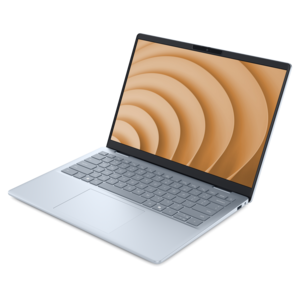
A thin, lightweight laptop crafted from eco-friendly materials with Series 3 Intel Core processors for productivity.
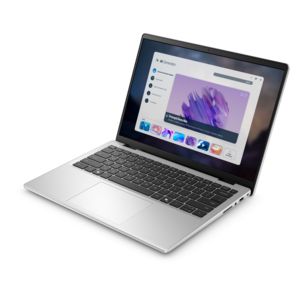
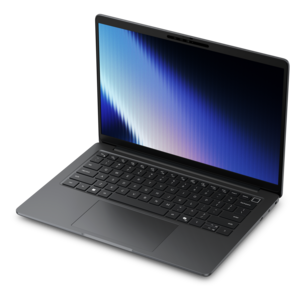
A portable laptop with a sleek design, 16:10 display, and AI PC options for productivity anywhere.
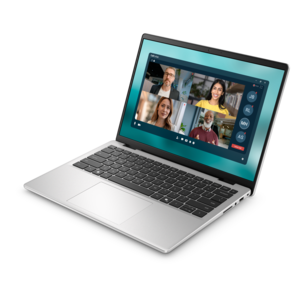
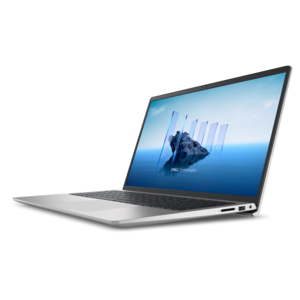
A slim, lightweight laptop with Intel® Core™ processors and graphics for productive work anywhere.
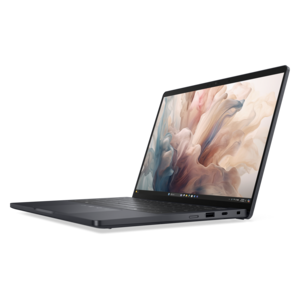
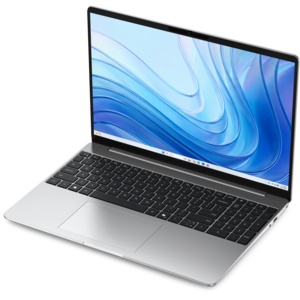
A lightweight AI PC delivering outstanding performance and battery life for highly mobile professionals.
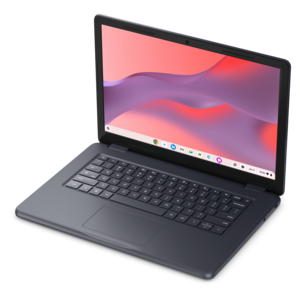
A durable, serviceable Chromebook designed specifically for education environments.
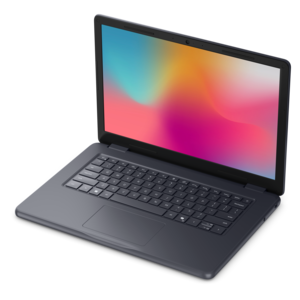
A durable, serviceable laptop designed specifically for demanding education environments.
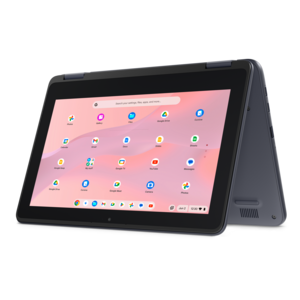
A durable, serviceable Chromebook designed for K–12 learning environments.
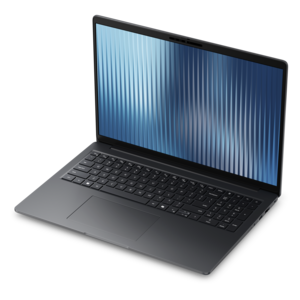
A durable, lightweight business laptop offering reliable productivity with commercial-grade security and manageability.
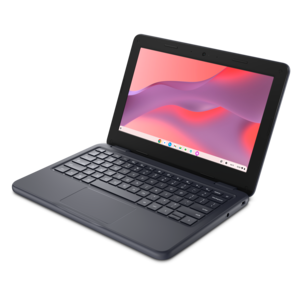
A durable, serviceable laptop or 2-in-1 designed specifically for K-12 learning environments.
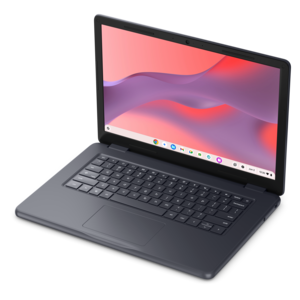
A durable, serviceable Chromebook designed specifically for education environments.
College students should prioritize laptops with long battery life, lightweight design for portability, reliable performance, sufficient storage, and a comfortable keyboard. Additionally, compatibility with essential software and good connectivity options are important.
Yes, 2-in-1 laptops can be an excellent choice for college students as they offer the flexibility of both a laptop and a tablet. This versatility is useful for taking notes, drawing diagrams, or giving presentations.
For most college students, 8GB of RAM is sufficient for everyday tasks like web browsing, word processing, and streaming. Students in fields that require more demanding applications, such as graphic design or engineering, may benefit from 16GB or more.
A dedicated graphics card is not necessary for most college students unless they are studying subjects like gaming development, video editing, or graphic design. Integrated graphics are typically adequate for general academic use.
The best operating system depends on the student's needs and preferences. Windows offers broad compatibility with academic software, while Chrome OS is lightweight and secure. macOS is popular among creative majors. It's important to choose one that supports required coursework and personal workflow.
Add the products you would like to compare, and quickly determine which is best for your needs.