1. Performance and Processing Power
2. Graphics Capabilities
3. Battery Life and Portability
4. Connectivity and Expandability
Finding the best laptop for STEM students is essential for success in today's technology-driven academic environment. With a wide array of options available, it can be overwhelming to choose the right one. That's why we've compiled a list of top-rated laptops based on user reviews to help you make an informed decision. Whether you're majoring in science, technology, engineering, or mathematics, having a reliable and powerful laptop is crucial for handling complex software, coding, simulations, and data analysis. Explore our curated selection to find the perfect match for your academic and professional needs.
Choosing the right laptop is essential for STEM students who require powerful and reliable devices for coursework, programming, and research.
1. Performance and Processing Power
2. Graphics Capabilities
3. Battery Life and Portability
4. Connectivity and Expandability
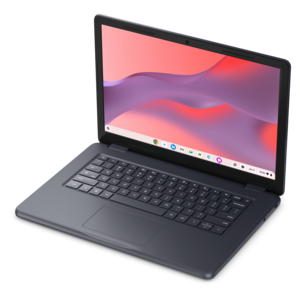
A durable, serviceable Chromebook designed specifically for education environments.
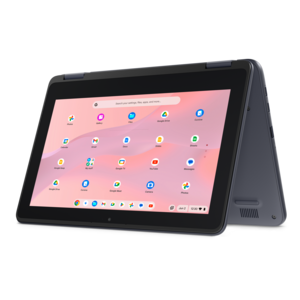
A durable, serviceable Chromebook designed for K–12 learning environments.
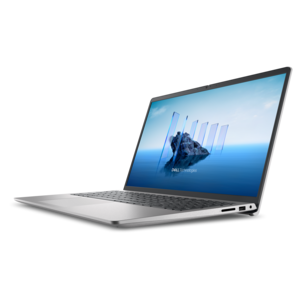
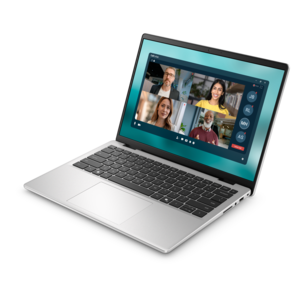
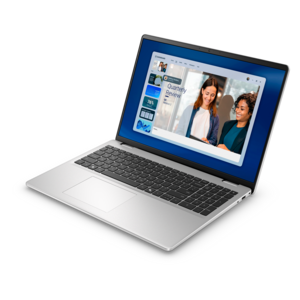
A laptop featuring an FHD camera, enlarged ergonomic keyboard, and AMD Ryzen™ processing.
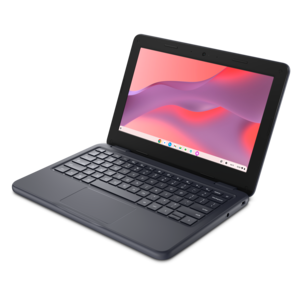
A durable, serviceable laptop or 2-in-1 designed specifically for K-12 learning environments.
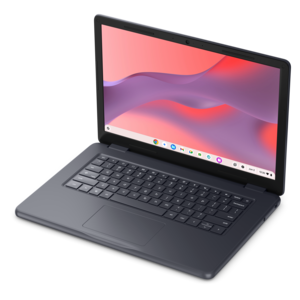
A durable, serviceable Chromebook designed specifically for education environments.
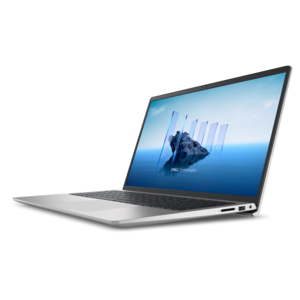
A laptop featuring Intel® 13th Gen processors, a built-in FHD camera, and an enlarged ergonomic keyboard.
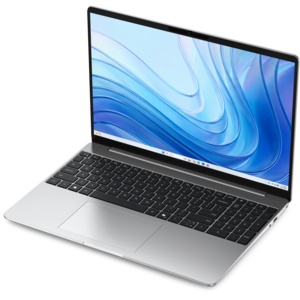
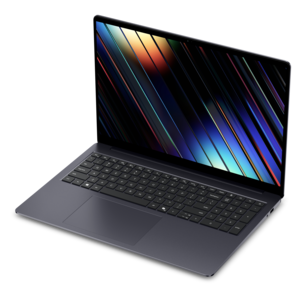
A thin, lightweight laptop crafted from eco-friendly materials with Series 3 Intel Core processors for productivity.
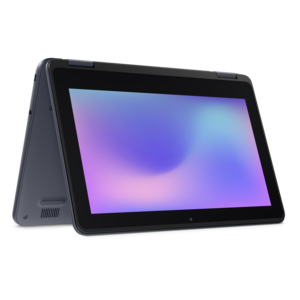
A durable, serviceable laptop or 2-in-1 designed specifically for demanding education environments.
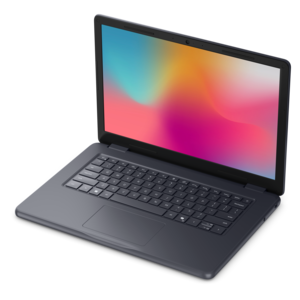
A durable, serviceable laptop designed specifically for demanding education environments.
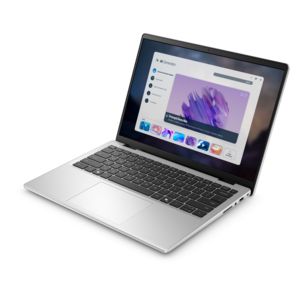
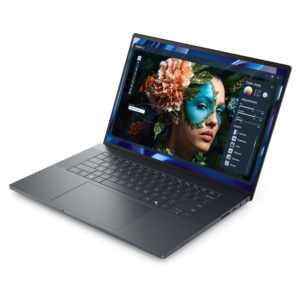
A portable laptop with a sleek design, 16:10 display, and AI PC options for productivity anywhere.
STEM students should prioritize laptops with powerful processors, ample RAM, and dedicated graphics to handle demanding applications like coding environments, data analysis, and 3D modeling. A high-resolution display and long battery life are also beneficial for extended study sessions and detailed work.
Laptops with dedicated graphics cards provide enhanced performance for tasks such as computer-aided design (CAD), simulations, and rendering complex visualizations. This is especially important for engineering, architecture, and computer science students who use graphically intensive software.
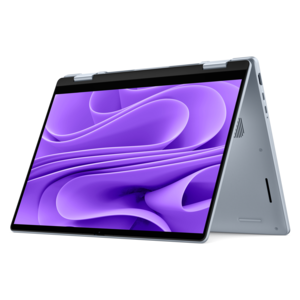
Touchscreen laptops can be particularly useful for note-taking, drawing diagrams, and annotating documents. They offer flexibility for STEM students who prefer handwriting or need to interact directly with their work, especially in fields like mathematics or engineering.
Long battery life allows STEM students to work through lectures, labs, and study sessions without needing to recharge frequently. This is crucial for those who move between classrooms, libraries, and group meetings throughout the day.
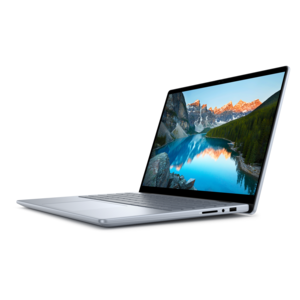
Yes, having a variety of connectivity ports—such as USB-C, HDMI, and SD card slots—enables STEM students to easily connect to lab equipment, external monitors, and other peripherals. This versatility supports a wide range of academic and project needs.
Add the products you would like to compare, and quickly determine which is best for your needs.