$550.00
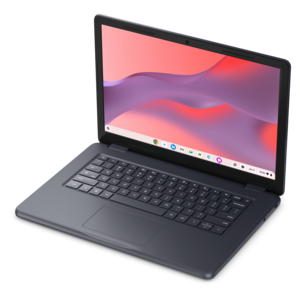
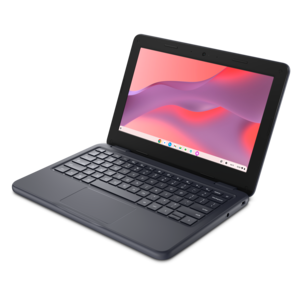
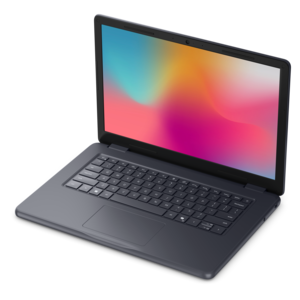
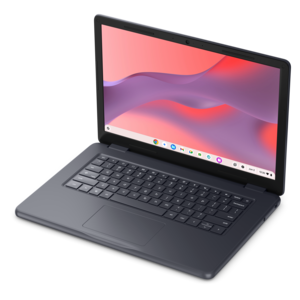
A durable, serviceable Chromebook designed specifically for education environments.
Laptops for science students are essential tools for tackling coursework, conducting research, and managing complex projects. Whether you're analyzing data, running simulations, or collaborating on group assignments, the right device can help you stay productive and organized throughout your academic journey. Explore a wide selection of laptops designed to meet the unique needs of science students and support your success in every class and lab.
A durable, serviceable Chromebook designed specifically for education environments.
A durable, serviceable Chromebook designed specifically for education environments.
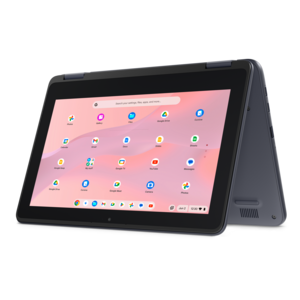
A durable, serviceable Chromebook designed for K–12 learning environments.
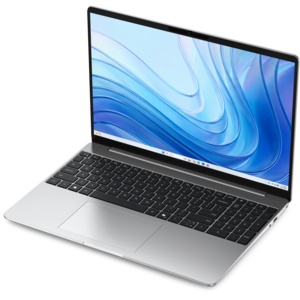
A laptop featuring an FHD camera, enlarged ergonomic keyboard, and AMD Ryzen™ processing.
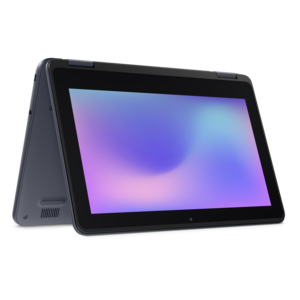
A durable, serviceable laptop or 2-in-1 designed specifically for K-12 learning environments.
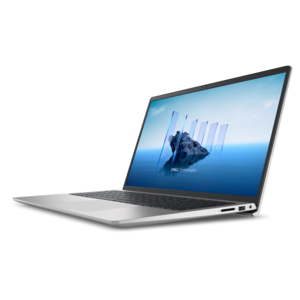
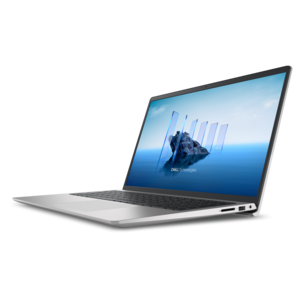
A laptop featuring Intel® 13th Gen processors, a built-in FHD camera, and an enlarged ergonomic keyboard.
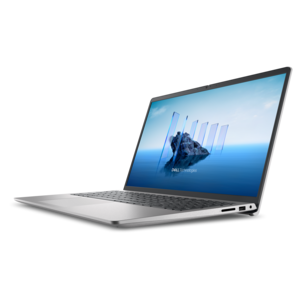
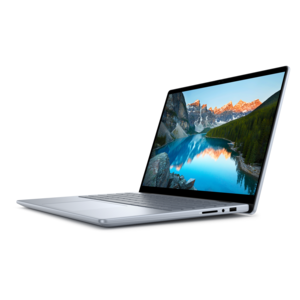
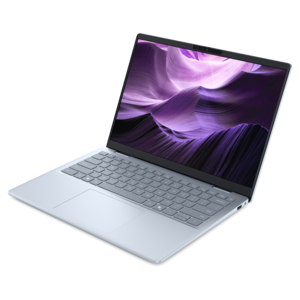
A thin, lightweight laptop crafted from eco-friendly materials with Series 3 Intel Core processors for productivity.
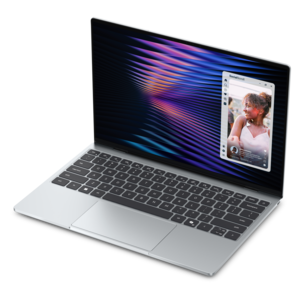
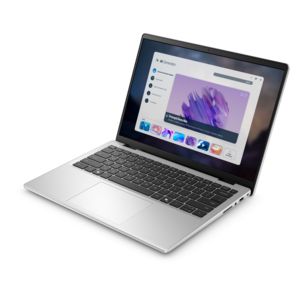
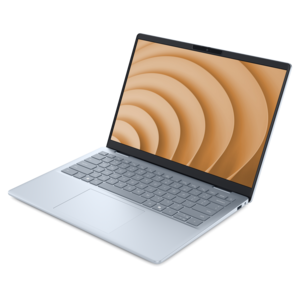
An exceptionally thin and lightweight laptop designed for ultimate mobility.
A durable, serviceable laptop or 2-in-1 designed specifically for demanding education environments.
A versatile 2-in-1 laptop with Intel Core processors, DDR5 memory, and multiple modes for creative work.
A durable, serviceable laptop designed specifically for demanding education environments.
A portable laptop with a sleek design, 16:10 display, and AI PC options for productivity anywhere.
A sleek, portable laptop with an expansive 16:10 display for reliable productivity anywhere.
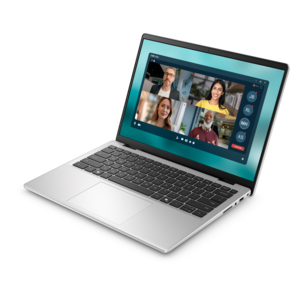
A slim, lightweight laptop with Intel® Core™ processors and graphics for productive work anywhere.
A modern laptop with AMD Ryzen™ processors delivers effortless productivity and captivating entertainment.
A modern laptop with Intel® Core™ processors and graphics for effortless productivity and captivating entertainment.
A durable, modular laptop with robust security, a spacious display, and optional built-in AI for workdays.
A sleek laptop with a stylish design, delivering powerful performance for modern multitasking.
A sleek laptop powered by the latest AMD Ryzen™ AI 400 Series processors for demanding users.
A versatile 2-in-1 laptop designed for AI experiences and seamless multitasking on the go.
A versatile 2-in-1 laptop with AI experiences, all-day battery life, and seamless multitasking.
A durable productivity laptop featuring an expansive 16:10 display and convenient numeric keypad.
A lightweight AI-powered laptop with Intel Arc graphics, ideal for creative professionals and small businesses.
A stylish, lightweight AI-powered laptop designed to boost productivity for creatives and small businesses.
Laptops for science students need to balance classroom portability with the processing power required for research, data analysis, lab software, coding, and technical coursework. A dependable starting point is a modern processor with multiple cores, at least 16GB of memory, and a fast solid-state drive (SSD) with enough capacity for applications, datasets, lecture recordings, and project files. These specifications help a laptop open large spreadsheets, run statistical tools, compile code, and move between several browser tabs without the sluggish pauses that can interrupt a lab report or study session. Students working in biology, chemistry, environmental science, or health-related programs may use specialized lab applications, imaging tools, virtual simulations, or data-collection software, while physics, mathematics, engineering, and computer science students may need additional headroom for modeling, programming, or visualization. A capable integrated graphics solution is sufficient for many academic tasks, but students using 3D visualization, computer-aided design, machine learning, or advanced simulation software may benefit from a dedicated graphics processor. Before choosing, it is worth checking the requirements for required courses and department software, since compatibility can matter as much as raw performance. Operating system support, available ports, and the ability to install approved applications can make the difference between a smooth assignment and an afternoon spent troubleshooting. For a broader selection organized around campus needs, explore Laptop For Students.
Portability is another important consideration for science students who may move from a lecture hall to a library table, a shared study room, a laboratory, or a field site in the same day. A lighter laptop is easier to carry alongside notebooks, safety equipment, and textbooks, while a sturdy chassis and a comfortable keyboard can stand up to frequent travel between classes. Battery life deserves close attention because outlets are not always available near a lab bench or in a crowded lecture room. A battery that lasts through several classes and study sessions gives students more freedom to work without constantly searching for a charger, particularly during long days on campus or while traveling for fieldwork. Screen size involves a practical tradeoff: a compact display makes a laptop easier to carry, while a larger, higher-resolution screen provides more room for code, charts, molecular structures, maps, and side-by-side documents. A bright, clear display with comfortable viewing angles can also reduce eye strain during long reading and analysis sessions. Students who work with graphs or detailed visuals may appreciate accurate color and a spacious screen, while those who primarily write reports and review articles may place greater value on a smaller footprint. Useful connections such as USB ports, an audio jack, and support for an external display can simplify presentations, data transfer, and lab equipment setup. A responsive webcam and microphone are helpful for virtual office hours, group projects, and remote research meetings, and a reliable wireless connection supports access to digital libraries, course portals, cloud files, and collaboration tools.
The best laptop for a science student depends on the workload, the environment, and the habits of the person using it. An undergraduate focused on reading, writing, introductory coding, and light analysis may prioritize long battery life, a comfortable keyboard, and a responsive everyday configuration. A graduate student handling larger datasets, repeated simulations, or specialized research programs may need more memory, a stronger processor, expanded storage, or graphics capability. Storage capacity is easy to underestimate: a 512GB SSD offers room for core software and schoolwork, while students collecting images, video, instrument output, or large datasets may prefer more space or a dependable external storage accessory. Security features such as a fingerprint reader, privacy controls, and strong account protection are useful when a laptop contains research notes, personal information, or unpublished work. A backlit keyboard can be practical during late library sessions, and a durable power adapter or compact USB-C charger can make commuting less cumbersome. A laptop can also be a thoughtful gift for a student preparing for a new academic term, beginning a research placement, or returning to school after time away; the most useful gift is one matched to the student’s actual coursework rather than simply the thinnest or most powerful option. Consider the software they are expected to use, the amount of time they spend away from a desk, their preferred operating system, and whether they plan to connect a monitor or other accessories. As the weather shifts and routines settle into a steady rhythm of lectures, labs, study groups, and research, a well-chosen laptop can become the quiet workhorse carried from one responsibility to the next, helping science students organize observations, test ideas, interpret results, and turn careful work into finished assignments.
Add the products you would like to compare, and quickly determine which is best for your needs.