$570.00
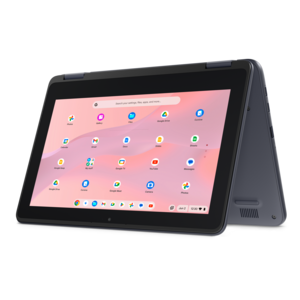
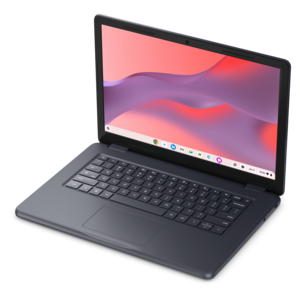
A durable, serviceable Chromebook designed specifically for education environments.
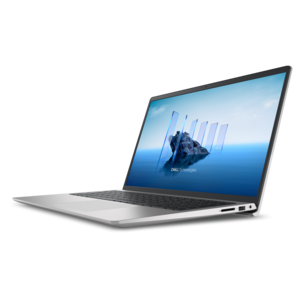
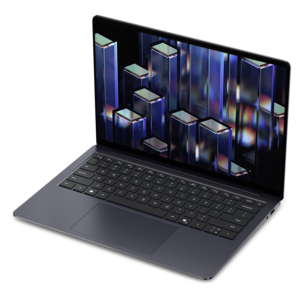
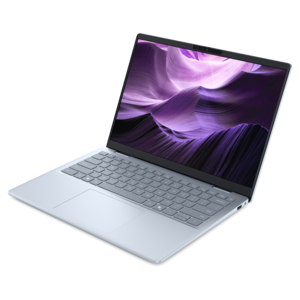
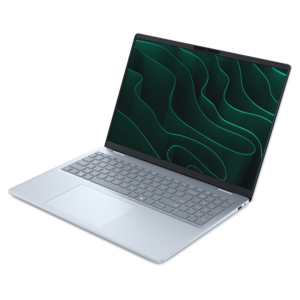
Laptops for STEM students are designed to support the demanding needs of science, technology, engineering, and mathematics coursework. Whether tackling complex simulations, coding projects, or data analysis, finding the right laptop can make all the difference in academic performance and productivity. Explore a selection of laptops for STEM students that provide the reliability and performance required to excel in challenging environments, from lecture halls to research labs.
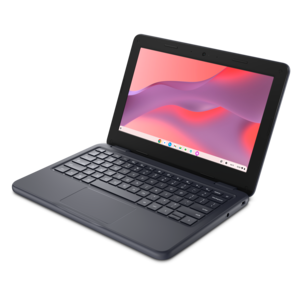
A durable, serviceable Chromebook designed specifically for education environments.
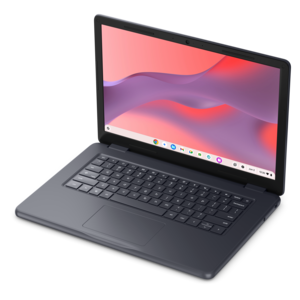
A durable, serviceable Chromebook designed for K–12 learning environments.
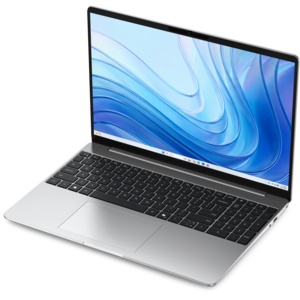
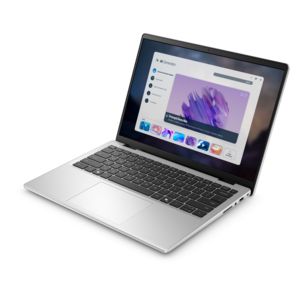
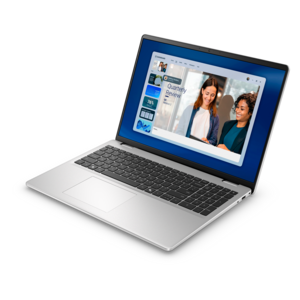
A laptop featuring an FHD camera, enlarged ergonomic keyboard, and AMD Ryzen™ processing.
A durable, serviceable laptop or 2-in-1 designed specifically for K-12 learning environments.
A durable, serviceable Chromebook designed specifically for education environments.
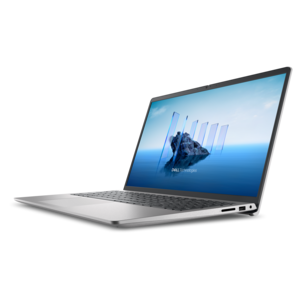
A thin, lightweight laptop crafted from eco-friendly materials with Series 3 Intel Core processors for productivity.
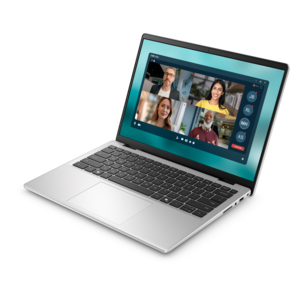
A laptop featuring an FHD camera, enlarged ergonomic keyboard, and Intel 13th Gen processors.
A durable, serviceable laptop designed specifically for demanding education environments.
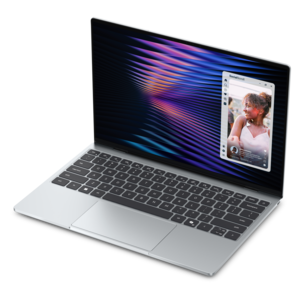
A portable laptop with a sleek design, 16:10 display, and AI PC options for productivity anywhere.
A remarkably thin, lightweight laptop designed for ultimate mobility.
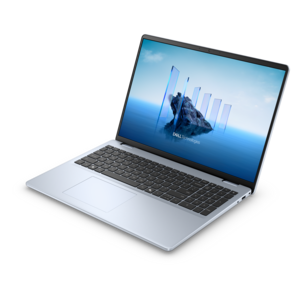
A sleek, portable laptop with an expansive 16:10 display for reliable productivity anywhere.
A slim, lightweight laptop with Intel® Core™ processors and graphics for productive work anywhere.
A modern laptop with AMD Ryzen™ processors delivers effortless productivity and captivating entertainment.
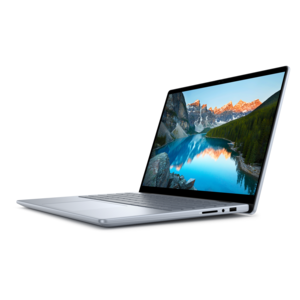
A versatile 2-in-1 laptop with multiple modes, Intel Core processors, and DDR5 memory for mobile creativity.
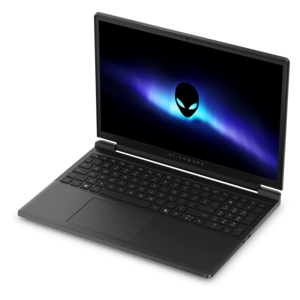
A streamlined gaming laptop powered by AMD Ryzen 200 Series processors and NVIDIA GeForce RTX graphics.
A modern laptop with Intel® Core™ processors and graphics for effortless productivity and captivating entertainment.
A durable, modular laptop with robust security, a spacious display, and optional built-in AI for workdays.
A versatile 2-in-1 laptop designed for AI experiences and seamless multitasking on the go.
A sleek laptop powered by the latest AMD Ryzen AI 400 Series processors for demanding users.
A versatile 2-in-1 laptop with AI experiences, all-day battery life, and seamless multitasking.
A durable productivity laptop featuring an expansive 16:10 display and convenient numeric keypad.
A sleek laptop with a stylish modern design, built for multitasking and powerful everyday performance.
A lightweight AI-powered laptop with Intel Arc graphics, ideal for creative professionals and small businesses.
Laptops for STEM students are designed to support demanding academic work across science, technology, engineering and mathematics programs, from introductory coursework to advanced research. A well-chosen laptop can handle coding environments, statistical analysis, technical documentation, simulations, spreadsheets, digital textbooks, video conferences and many browser tabs without becoming a distraction. When comparing laptops for STEM students, begin with the software requirements for the student’s major, department and courses. Computer science students may prioritize a responsive processor, ample memory and compatibility with programming tools, while engineering students may need Windows compatibility for computer-aided design, modeling, numerical analysis or specialized laboratory applications. Biology, chemistry and environmental science students may use data-analysis programs, imaging tools and research databases, while mathematics students may benefit from a comfortable keyboard, a sharp display and reliable performance for symbolic computation. For most STEM workloads, 16GB of RAM is a practical starting point because it gives students room to run an integrated development environment, web browser, communication app and reference materials at the same time. Students who expect to use virtual machines, large datasets, advanced simulations or professional-grade design software may prefer 32GB or more. A modern multi-core processor, such as an Intel Core Ultra 5 or 7, AMD Ryzen 5 or 7, or an Apple M-series chip, can help with compiling code, analyzing data and moving between demanding applications. A solid-state drive with at least 512GB of capacity provides room for operating system files, software packages, class projects and downloaded research materials while helping the laptop start quickly and respond smoothly. Students working with extensive datasets, engineering files or media-rich assignments may appreciate 1TB or more, but the right capacity depends on the software used and how much work is kept locally.
Portability is another important consideration because STEM students often move between lecture halls, libraries, laboratories, study groups and home workspaces. A lightweight 13- or 14-inch laptop is easy to carry in a backpack and can be comfortable for all-day campus use, while a 15- or 16-inch display offers more room for code, diagrams, formulas and side-by-side documents. Look for a bright, high-resolution screen that remains easy to read under classroom lighting and provides enough workspace for technical applications. Battery life matters when outlets are limited or a student is moving between classes, so efficient processors and a battery designed for extended use can make a noticeable difference during long study sessions. A comfortable, backlit keyboard is valuable for programming, lab reports and late-night problem sets, and a precise touchpad makes it easier to navigate without carrying a separate mouse. Port selection should match the student’s routine: USB-A and USB-C connections can be useful for flash drives, external displays, cameras, lab instruments and other classroom accessories, while HDMI or compatible video output may simplify presentations. Wireless connectivity should be dependable for course portals, cloud-based collaboration and remote access to academic resources. Students who work with graphics-intensive engineering or scientific applications should review the recommended graphics requirements before choosing an integrated graphics configuration; a dedicated graphics processor may be appropriate for 3D modeling, visualization and certain simulation tasks. The operating system deserves equal attention. Windows is often the safest choice for engineering, manufacturing and specialized technical programs because many professional applications are built for it, while macOS can be a strong fit for programming, mathematics, general science and students who value quiet operation and long battery life. Linux may be important for particular computer science courses, research environments or development workflows, although students should confirm compatibility with required applications before purchasing. When a student’s needs are broad or not yet clear, a balanced configuration with a current multi-core processor, 16GB of RAM, a 512GB SSD, dependable battery life and a full-featured operating system offers flexibility without excessive complexity.
The laptops listed for STEM students can serve undergraduates, graduate students, teaching assistants, researchers and professionals completing certification or continuing education. They can also make thoughtful gifts for a student beginning a technical program, especially when the configuration reflects the student’s actual coursework rather than focusing only on appearance or size. Before choosing, consider whether the laptop will be used mainly at a desk, carried across campus every day or connected to specialized equipment in a lab. A student who writes code in the library may value a quiet, compact design and a comfortable keyboard, while an engineering student who reviews detailed models may prefer a larger display, stronger graphics capability and broader connectivity. A student who travels between campus and home may benefit from a durable chassis, fast charging and a reliable webcam for group meetings. For graduate-level research, compare options through this Laptops For Graduate Students collection, where priorities may include longer periods of multitasking, research software, remote collaboration and extensive technical files. Accessories can further shape the experience: a protective sleeve helps safeguard a laptop in a crowded backpack, a wireless mouse can improve precision in design applications, and a compatible external display can make complex code, charts or technical drawings easier to review at a fixed workspace. Students should also check the institution’s software licensing, security requirements and support policies, along with the recommended operating system and graphics specifications for each course. A laptop with upgradeable or configurable memory may provide useful headroom over several academic years, while a strong warranty and accessible support can be reassuring when coursework depends on dependable access. The best choice balances processing performance, memory, SSD capacity, display comfort, battery life, portability and software compatibility so the student can focus on experiments, calculations, design work and discovery rather than waiting for applications to respond.
Add the products you would like to compare, and quickly determine which is best for your needs.