$269.99
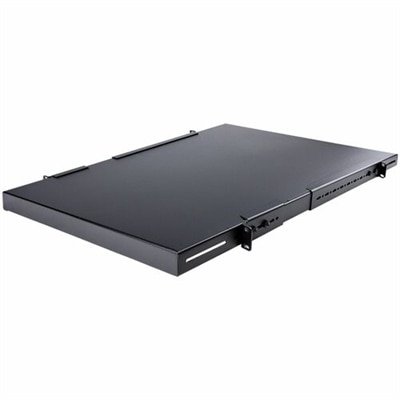
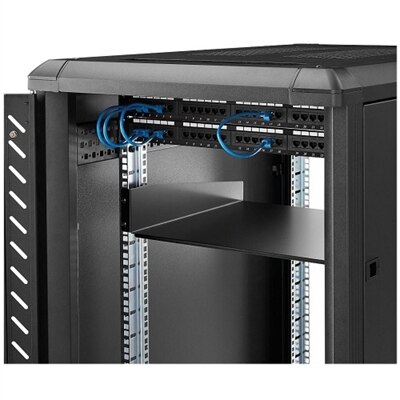
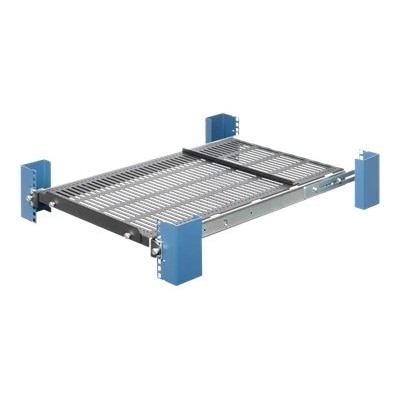
A black powder-coated 1U sliding shelf supports up to 95 lbs and includes cable management features.
19 inch rack shelves offer a versatile solution for organizing and supporting your essential equipment in server rooms, data centers, and home offices. Designed to fit standard 19-inch racks, these shelves help maximize space and improve accessibility for your devices and accessories. Whether you’re expanding your network setup or optimizing storage, 19 inch rack shelves provide a reliable foundation for your technology infrastructure. Explore a range of options to find the ideal fit for your unique requirements.
A black powder-coated 1U sliding shelf supports up to 95 lbs and includes cable management features.
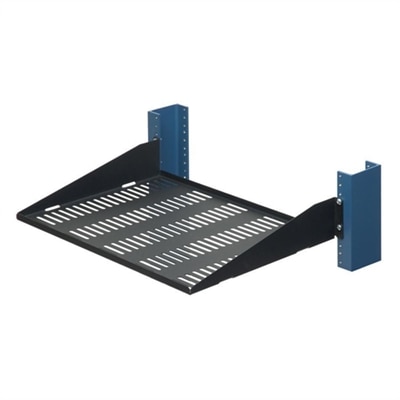
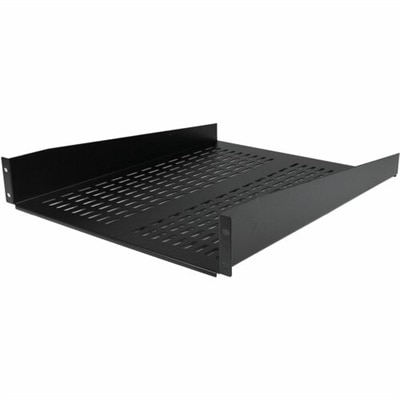
A black 2U cantilever rack shelf with a 60 lbs capacity, ideal for versatile equipment mounting.
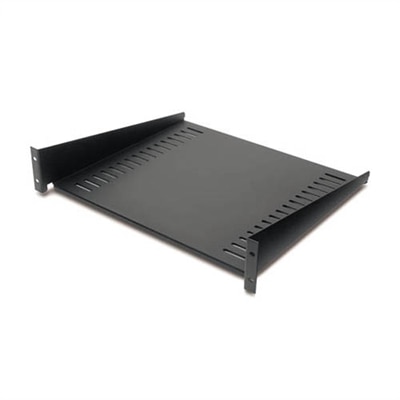
A fixed shelf for mounting or storing equipment in a rack environment.
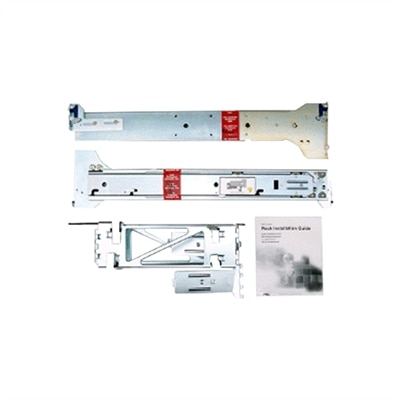
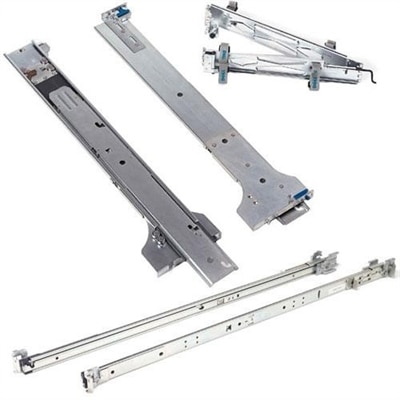
A black rack shelf accessory designed to secure and install IT equipment within enclosures.
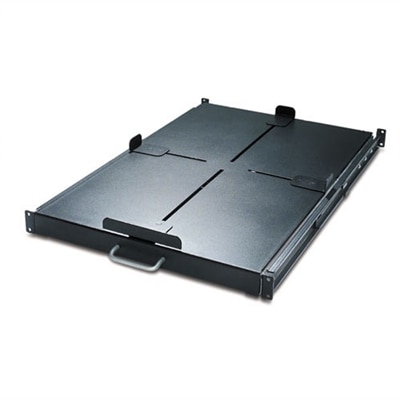
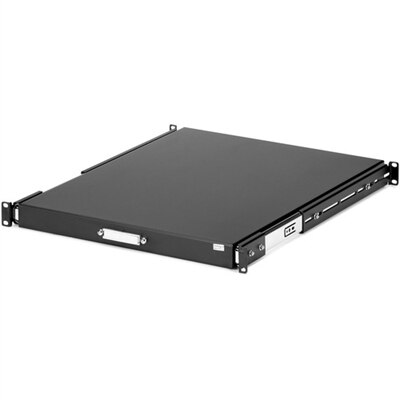
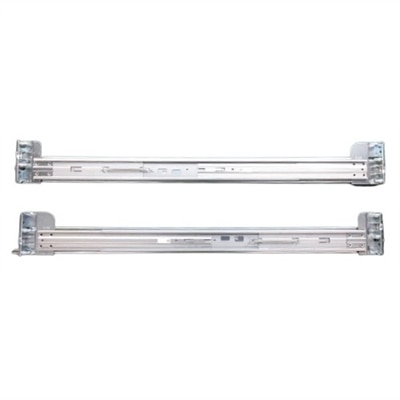
A black sliding shelf with adjustable mounting rails, supporting up to 200lbs for rack-mount IT equipment.
A heavy-duty black steel vented shelf with adjustable depth, supporting up to 330lbs in standard server racks.
A heavy-duty black steel rack shelf with adjustable depth, supporting up to 330 lbs of equipment.
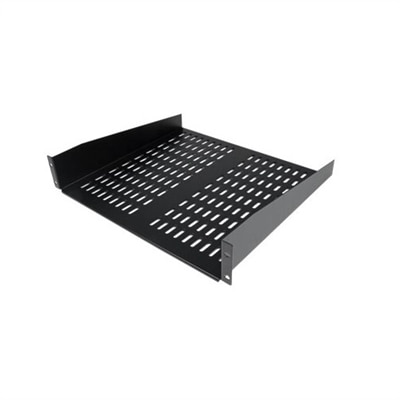
A black, vented 2U rack-mountable steel shelf designed for improved airflow and secure equipment storage.
A black steel sliding rack-mountable shelf and keyboard tray supporting up to 55 lbs for 19" equipment racks.
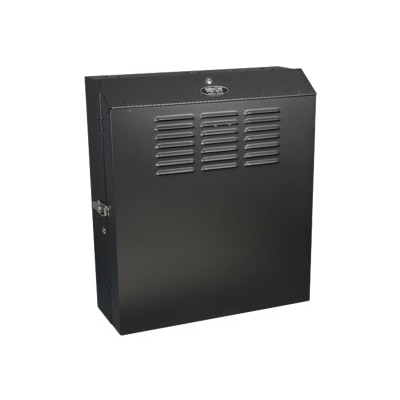
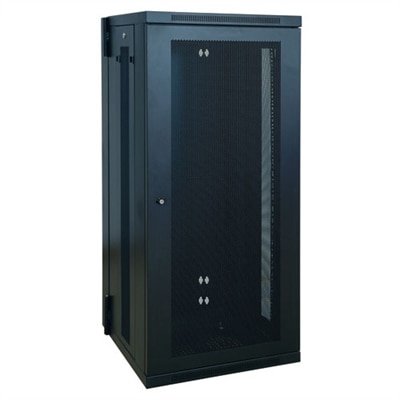
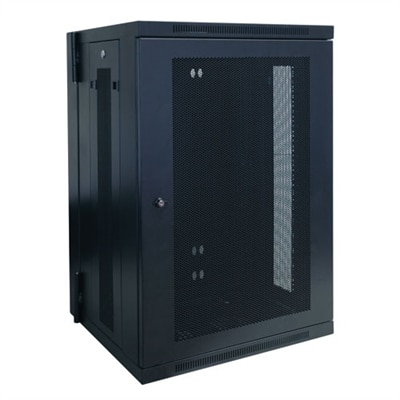
A versatile black wall mount rack for secure, ventilated server installation in limited spaces.
A black, heavy-duty steel wall-mount rack cabinet ideal for secure, organized equipment storage in tight spaces.
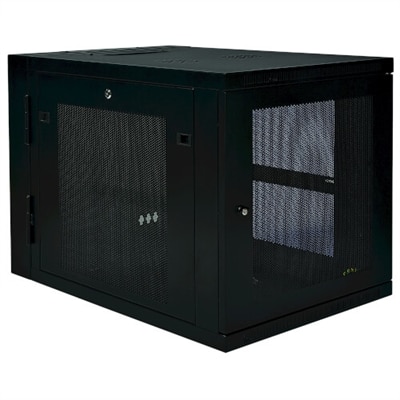
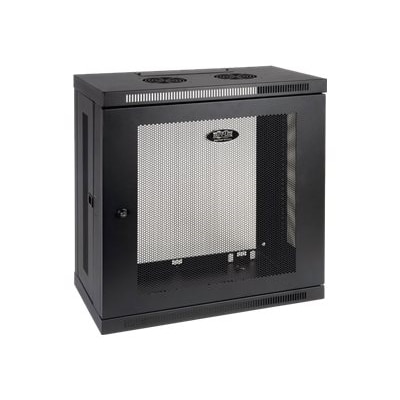
A 12U wall-mount rack enclosure with hinged back, heavy-duty steel, and a black powder-coated finish.
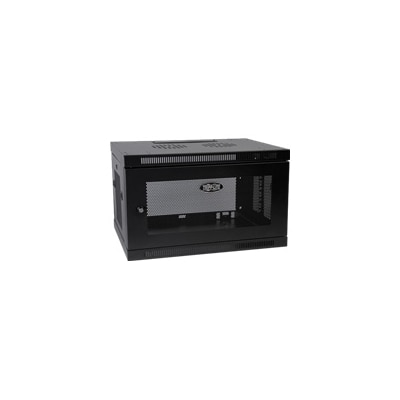
A black, wall-mountable mini rack enclosure with secure locking and 200-pound load capacity.
A black, cold-rolled steel shelf for 19" racks, supporting up to 20 kg, with cable management.
A black, heavy-duty steel wall-mount rack enclosure with 26U capacity, hinged back, and secure locking.
A black, heavy-duty steel wall-mount rack enclosure with lockable, vented panels and 200-pound capacity.
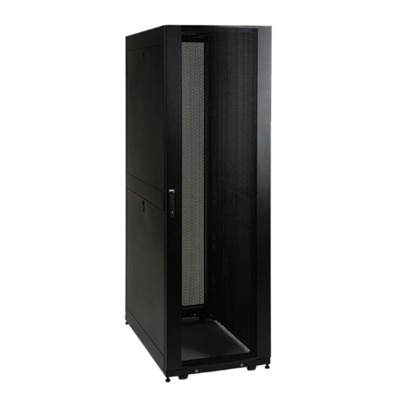
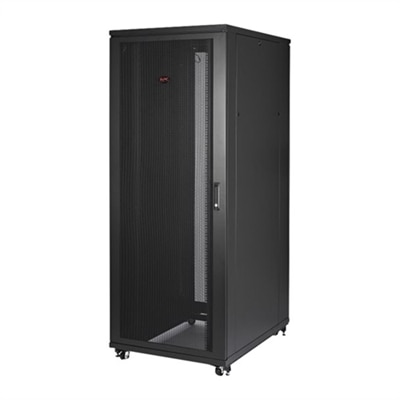
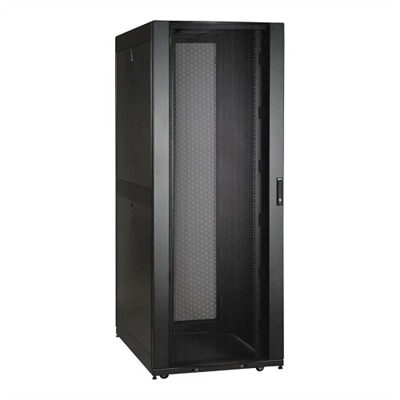
A black 42U rack enclosure with adjustable rails, locking doors, and PCI DSS compliance.
A black, vented steel rack shelf supporting up to 50lbs, ideal for organizing non-rackmount equipment.
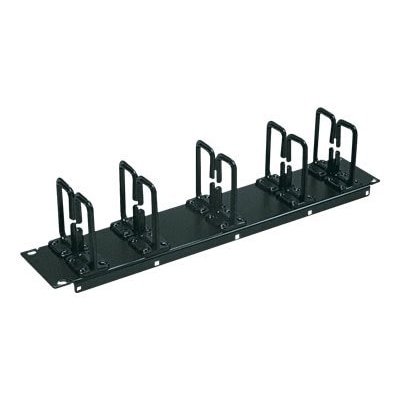
A black 2U horizontal cable manager with flexible rings to organize and reduce cable stress.
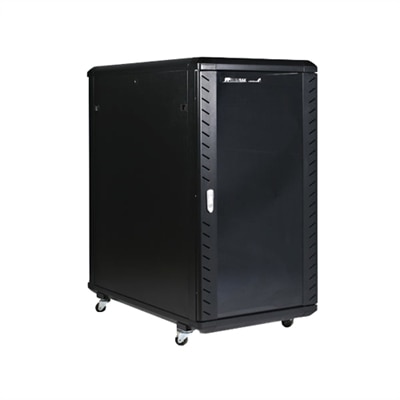
A black 22U server rack cabinet with casters, adjustable rails, and secure glass door.
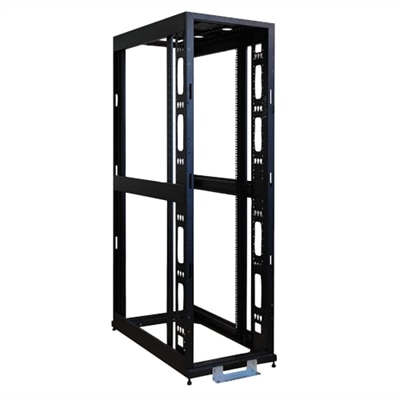
A heavy-duty open frame rack designed for secure, high-density server and networking applications.
A durable black steel wall-mount rack enclosure with secure locking and adjustable mounting for network equipment.
A black, heavy-duty steel wall-mount rack enclosure with secure locking and adjustable mounting rails.
A black, heavy-duty steel wall-mount rack cabinet with hinged back for secure, organized equipment storage.
19 Inch Rack Shelves provide a practical way to organize electronics, computers, audiovisual components, and other equipment inside a compatible 19-inch rack. Unlike a rack-mounted device with built-in mounting ears, a shelf creates a stable horizontal surface for items that are not designed to attach directly to rack rails. This makes rack shelves useful in home offices, classrooms, studios, small businesses, workshops, and entertainment spaces where different types of technology need to share one organized enclosure. They can also help turn an open rack into a more finished, orderly workspace by giving loose components a defined location instead of leaving them stacked on a desk or tucked behind furniture. When browsing options, begin by checking the rack’s standard width and the available vertical space, commonly measured in rack units. A shelf that fits the width may still be too tall for the open space, especially when other mounted accessories are already installed. Measure the distance between the front rails, confirm the usable depth from front to back, and leave enough room for cables, ventilation, and routine access. A shelf that is slightly deeper than the item it supports may offer a better fit than one that extends to the very back of the enclosure. For compact setups, a shorter shelf can make connections easier to reach, while a full-depth design may provide a broader platform for heavier or larger electronics. It is also worth reviewing the shelf’s weight capacity and comparing it with the total weight of everything that will rest on it. Include the weight of power adapters, stands, and accessories rather than considering only the main device. A sturdy shelf can support a desktop computer, audio component, display accessory, testing tool, or other non-rack-mountable item, but the load should remain within the manufacturer’s stated limit and be distributed evenly across the surface.
Different shelf styles suit different layouts and habits. Fixed shelves are a straightforward choice for equipment that stays in one position, such as a compact computer, media component, printer accessory, or audio control unit. Sliding shelves can be helpful when the back of an item needs occasional attention because the platform can move forward for easier access, though the extended position should be used carefully and never overloaded. Cantilever shelves attach at the front and leave more open space beneath or behind them, making them useful when a shallow platform is all that is needed. Vented or perforated surfaces can encourage airflow around warm electronics, while solid shelves can provide additional stability for smaller items and loose accessories. Consider the shape of the equipment as well as its weight: rubber feet, a raised lip, or a textured finish may help prevent movement when the rack is bumped or a cable is pulled. Mounting hardware is another important detail. Confirm whether the shelf includes the screws, cage nuts, washers, or other hardware required for the rack’s rail style, and verify that the fastener size matches the enclosure before beginning installation. A level shelf should be secured at every recommended mounting point, with heavier items positioned toward the center and lower portions of the rack when possible. This placement can improve stability and reduce strain on the rails. Leave room around vents and switches, avoid blocking intake or exhaust openings, and route cables so they do not pull sharply against the equipment. Simple habits such as labeling power cords, grouping similar connections, and leaving a little slack can make seasonal rearranging or troubleshooting much less frustrating. For a broader look at compatible rack-based organization, explore 19 Inch Rack Mount Enclosures and compare the enclosure’s dimensions with the shelf’s mounting depth.
19 Inch Rack Shelves are especially useful for people who are gradually building a more organized technology area rather than replacing everything at once. A home office may use one to hold a compact desktop or docking accessory below a monitor, keeping the work surface clear for notebooks and daily tasks. In a creative studio, a shelf can give a small mixer, interface, controller, or other electronics a secure home while leaving enough room to adjust settings from the front. A classroom or training room may benefit from shelves that keep shared technology together and easier to inspect between sessions. Small businesses can use them to keep office electronics, diagnostic tools, or frequently accessed accessories arranged in one location, helping a workspace feel calmer during busy cooler months when more work takes place indoors. They can also be a thoughtful practical gift for someone who enjoys building a home theater, recording space, gaming setup, electronics bench, or neatly arranged office, particularly when the recipient already owns a rack but needs a more flexible way to store items that do not have standard mounting hardware. Before choosing, consider how the shelf will be used over time. If the setup may expand, select a design that leaves room for additional rack accessories and future cable routing. If the rack sits beneath a desk or in a tight cabinet, check the shelf’s height and depth against nearby walls, doors, and furniture. Finish and construction can influence the overall appearance as well: a clean metal surface can complement a professional workspace, while a low-profile design may blend more easily into a home environment. The best choice balances fit, capacity, accessibility, ventilation, and the everyday rhythm of the space. A well-selected shelf does more than fill an open rack position; it creates a dependable platform, protects valuable electronics from unstable stacks, and makes the entire setup easier to maintain.
Add the products you would like to compare, and quickly determine which is best for your needs.