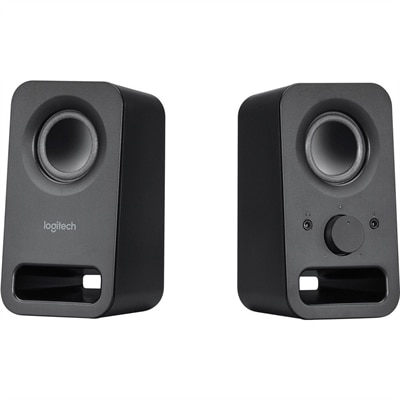
Audio Input Devices
Audio input devices are essential tools for capturing and transmitting sound in a wide range of applications, from professional recording studios to everyday home offices. Whether you’re setting up a workstation for virtual meetings, creating multimedia content, or enhancing your gaming experience, the right audio input devices can make all the difference in clarity and performance. Explore options designed to deliver reliable sound quality and seamless connectivity, making it easy to find solutions that fit your unique needs.
This product is not available
Check out the following recommendations.




Audio Input Devices
Audio input devices bring voices, music, and other sounds into a computer or recording system for communication, recording, and creative work. A microphone captures sound waves and converts them into an electrical signal; an analog-to-digital converter, either built into the device or housed in a separate interface, turns that signal into digital audio that software can process. This category includes computer microphones, headsets with integrated microphones, and audio interfaces that accept signals from external microphones, instruments, or compatible audio equipment. Each serves a different role, from keeping a voice clear during a morning video meeting to capturing the texture of an acoustic guitar in a home recording space. USB microphones combine sound capture and digital connectivity in a single device, making them practical for desktop conversations, voice narration, and streaming. Analog microphones connect through a compatible microphone input or audio interface, with XLR connections commonly used for recording setups that need separate microphones, adjustable input gain, or multiple sound sources. Headsets place a microphone close to the mouth while keeping playback near the ears, which can reduce the chance of meeting audio feeding back into the microphone. For someone joining calls from a shared home office, that close placement can also help make speech more prominent than surrounding room noise. Audio interfaces provide the connection between a computer and sources such as XLR microphones, electric guitars, and line-level equipment, although supported inputs vary by design. A microphone input handles a much weaker signal than a line input, while an instrument input is designed to work with compatible instrument pickups. These distinctions matter when matching a device to an existing setup. Within the broader family of Input Output Devices, audio input hardware handles incoming sound, while headphones and speakers reproduce outgoing sound. Some equipment, including headsets and many audio interfaces, performs both functions. MIDI controllers serve a different purpose: they typically send performance instructions, such as notes and timing, rather than capturing audio themselves.
The character of an audio input device depends on its microphone design, pickup pattern, placement, and the space around it. Dynamic microphones are often used for close-up speech, amplified instruments, and applications where sturdy construction matters. Condenser microphones can capture subtle vocal details and fine instrumental textures, but they also make room acoustics and placement especially noticeable. Many XLR condenser microphones require phantom power from a compatible interface, while USB models receive operating power through their USB connection. Neither design automatically removes background sound; the distance between the microphone and the speaker, the microphone’s directional response, and the level of surrounding noise all affect the result. A cardioid pickup pattern emphasizes sound from the front and reduces pickup from the rear, making it useful for a single voice at a desk. An omnidirectional pattern captures sound from all directions and can suit certain shared conversations or ambient recordings, though it will also collect more of the surrounding space. In a room with bare walls and a hard floor, reflected sound may make a voice seem distant even when the microphone itself is capable of detailed recording. Curtains, upholstered furniture, and a closer speaking position can help produce a more direct sound. Physical design matters just as much in everyday use. A weighted desktop base helps a microphone stay planted beside a keyboard, while a compatible boom arm can free up desk space and bring the capsule closer without crowding a monitor. Shock mounts help limit vibration transmitted through a desk or stand, and pop filters soften the bursts of air that accompany certain consonants. Headset fit involves headband adjustment, clamping pressure, earcup shape, and overall weight, particularly during long work sessions or multiplayer games. Breathable fabric cushions and smooth, wipeable coverings offer different comfort and care characteristics. A flexible microphone boom allows more precise positioning near the corner of the mouth, away from direct breath. For frequent callers, a clearly accessible mute control or visible status indicator can make transitions between speaking and listening less distracting.
Connections, controls, and construction help determine how comfortably audio input devices fit into daily routines. A USB connector’s shape alone does not establish compatibility: supported operating systems, connection standards, power requirements, and any necessary adapters also matter. Analog headsets may use a combined headphone-and-microphone plug or separate connectors, so the computer’s jack arrangement needs to match. Wireless headsets add freedom of movement, with battery life, charging routines, connection range, and microphone performance in the intended wireless mode becoming part of the experience. For recording and live monitoring, latency describes the delay between producing a sound and hearing it through the computer. Audio interfaces with direct monitoring can route the incoming signal to headphones without the delay introduced by a round trip through recording software, although available monitoring controls differ. Input gain adjustment helps accommodate quiet speech and louder performances, while level indicators make it easier to notice a signal approaching clipping, the distortion caused when a recording level exceeds the system’s limits. A person recording a two-guest conversation may need multiple microphone inputs; someone narrating presentations alone may value a compact footprint and straightforward controls more. Higher sample rates and bit depths offer recording flexibility, but those specifications do not replace suitable microphone placement, sensible levels, or a quiet room. Durability comes from the complete design, including secure connectors, reinforced cable entry points, stable hinges, and protective microphone grilles, rather than housing material alone. Metal enclosures can provide rigidity, while lightweight molded housings can be convenient for travel and long periods of wear. Detachable cables and replaceable ear cushions can simplify upkeep when those features are supported. Routine care generally means keeping connectors dry, removing surface dust gently, and cleaning cushions or exterior surfaces according to the manufacturer’s directions rather than spraying liquid into openings. A protective pouch or case helps keep cables and microphone parts from being bent inside a laptop bag. For remote workers, students attending online courses, musicians, gamers, and people recording family stories, well-matched audio input hardware makes everyday sound capture more comfortable and consistent. It can also be a thoughtful gift when the recipient’s computer connections, workspace, and preferred activities are known.
FAQs:
The main types of audio input devices for computers include standalone microphones, headsets with built-in microphones, audio interfaces for connecting professional-grade equipment, and MIDI controllers for digital music production. Each type is designed to capture sound and convert it into a digital signal that your computer can process, making them suitable for a range of uses from communication to creative work.
When selecting an audio input device, consider how you plan to use it. For voice calls and meetings, a USB headset or plug-and-play microphone may be ideal. Musicians and podcasters often prefer audio interfaces with XLR connections for higher fidelity. Look for features like noise cancellation, compatibility with your computer, and ease of setup to ensure the device fits your workflow.
Yes, most audio input devices are versatile and can be used for both recording audio—such as podcasts, music, or voiceovers—and live communication like video conferencing or gaming. Some devices offer specialized features for each use case, such as real-time monitoring or adjustable sensitivity.
Audio input devices typically connect to computers and other electronics via USB, 3.5mm audio jacks, or XLR cables. Some advanced devices may use Thunderbolt or wireless connections. The best option depends on your existing equipment and the level of audio quality you require.
Upgrading your audio input device can be beneficial when starting a new remote job, launching a podcast, producing music, or enhancing a retail store sound system. Improved audio quality leads to clearer communication, a better listening experience, and more professional results in both personal and professional settings.