$159.99
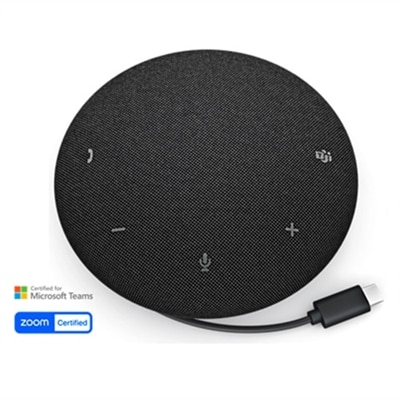
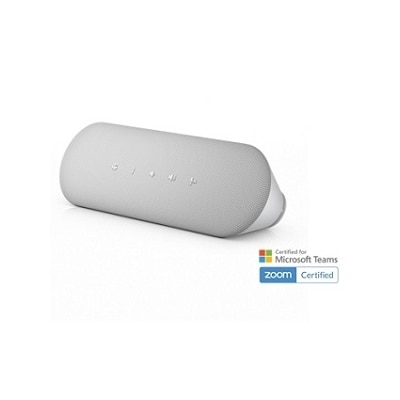
A portable wireless speakerphone featuring AI-powered dual-directional noise-canceling microphones for clear audio anywhere.
Bi directional microphones are an essential tool for capturing high-quality audio in various settings. Whether you're recording a podcast, conducting interviews, or creating music, these microphones provide a versatile solution that captures sound from two opposite directions. This unique design allows for more natural and balanced audio recordings, making them a popular choice among professionals and enthusiasts alike. Explore our selection of bi directional microphones to find the perfect match for your audio needs and elevate your recording experience.
A portable wireless speakerphone featuring AI-powered dual-directional noise-canceling microphones for clear audio anywhere.
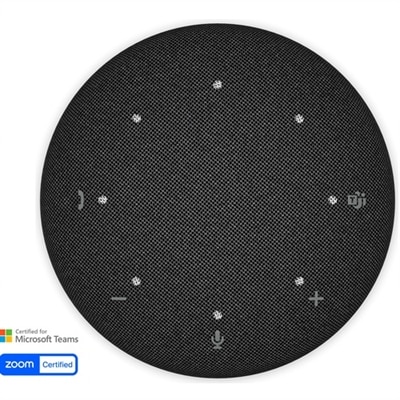
A portable wired speakerphone with AI-powered dual-directional noise-canceling microphones for clear audio anywhere.
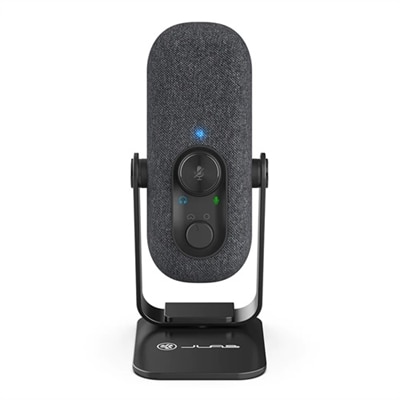
A professional USB microphone offering 192kHz/24-bit resolution and four directional patterns in sleek black.
A portable USB microphone with 96 kHz/24-bit resolution and two directional patterns in black.
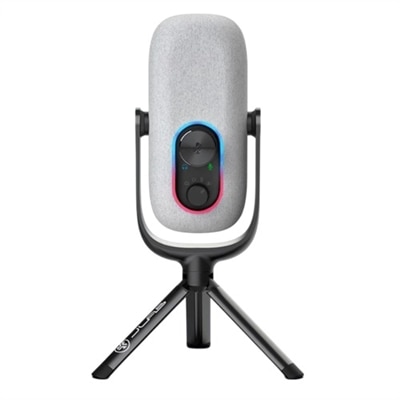
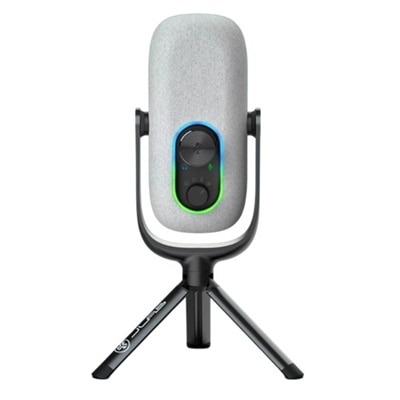
A compact white microphone with 96kHz/24BIT resolution and four directional pattern modes.
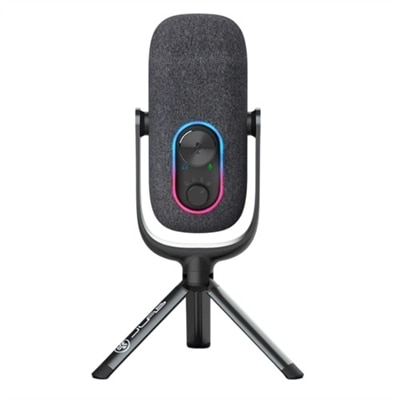
A compact black microphone with 96kHz/24BIT resolution and four directional pattern modes for versatile use.
A compact condenser microphone offering 24-bit/48kHz recording with cardioid and omnidirectional modes for versatile use.
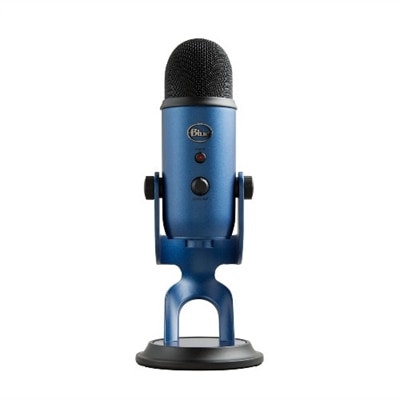
A versatile condenser microphone with tri-capsule technology, offering four pattern modes and real-time monitoring.
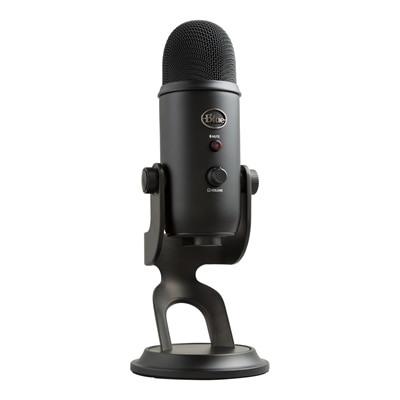
A versatile wired condenser microphone with tri-capsule technology for professional-quality podcasting and music recording.
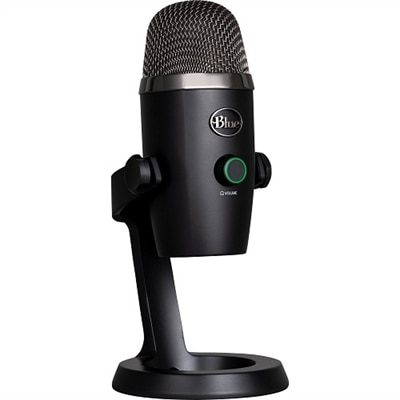
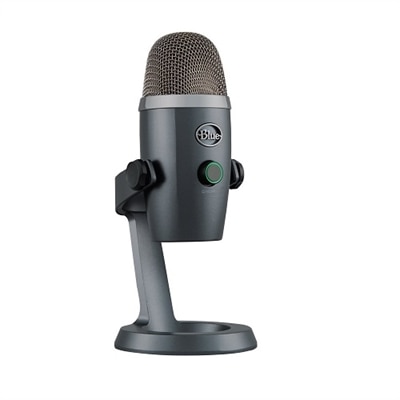
A compact condenser microphone with two pickup patterns, ideal for streaming and recording with clarity.
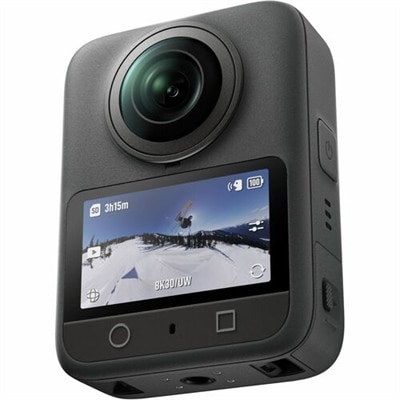
An advanced digital camcorder offering native 8K HDR 360° video, 120MP photos, and high-fidelity audio capture.
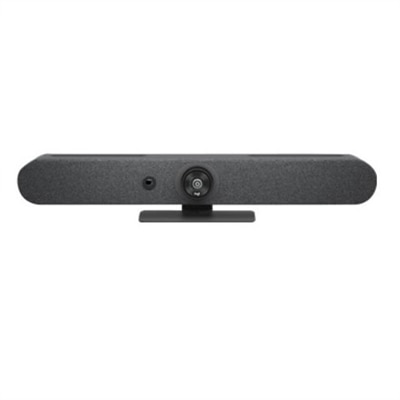
A compact graphite video bar with studio-quality audio, AI-driven performance, and versatile mounting options.
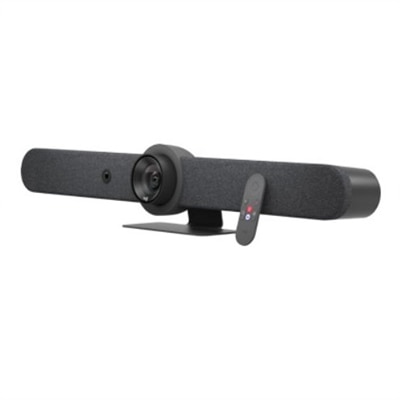
An all-in-one video bar with AI-driven performance, 15x zoom, and adaptive beamforming mics.
Bi-directional microphones, also called figure-eight microphones, are designed to capture sound from the front and rear while rejecting much of the sound arriving from the sides. Their pickup pattern resembles the number 8: one sensitive area faces the primary speaker or instrument, and a second sensitive area faces the opposite direction. This makes them especially useful when two sound sources need to share one microphone, such as two people seated across from each other for an interview, conversation, voice recording, or acoustic performance. A bidirectional microphone uses a pressure-gradient design in which sound reaches both sides of an internal diaphragm. Sounds arriving from the front and rear produce a strong response, while sounds arriving from the sides can cancel because they reach the diaphragm with opposing phase relationships. The result is a focused recording pattern that can help reduce unwanted room noise, nearby speakers, keyboard sounds, or other distractions positioned at the microphone’s side null points. Placement is an important part of the experience. For a two-person recording, position the microphone between the speakers and aim its front and rear pickup areas toward each person, keeping both voices at a similar distance whenever possible. For a solo performer, the rear-facing lobe can be used creatively to capture a second instrument, room ambience, or a second vocal source. These microphones are also used in stereo recording techniques, including Blumlein pair and mid-side, or MS, setups. In a Blumlein arrangement, two figure-eight microphones are positioned together at carefully chosen angles to create a detailed stereo image with a natural sense of space. In an MS arrangement, a bidirectional microphone works with a forward-facing microphone to capture a central signal and side information that can be adjusted during mixing. Because of this flexibility, a figure-eight microphone may appeal to podcasters, interviewers, musicians, voice performers, home recordists, video creators, and anyone building a more controlled desktop or studio audio setup. It can be a practical addition to a computer-based workspace, particularly when paired with a compatible stand, boom arm, audio interface, headphones, or other recording accessories. For a coordinated visual setup, browse Black Microphones alongside other desktop and audio equipment.
When choosing a bi-directional microphone, start by considering how the microphone will be used and how much control you have over the recording environment. A quiet room with soft furnishings, curtains, rugs, and bookshelves will generally produce a cleaner result than a large, reflective space with bare walls and hard floors. Since the sides of a figure-eight pattern are the least sensitive areas, orient those null points toward the noisiest parts of the room, such as a computer fan, open doorway, air conditioner, or busy hallway. This simple adjustment can make a noticeable difference without requiring extensive sound treatment. Sensitivity, frequency response, self-noise, maximum sound pressure level, and connection type are also worth reviewing. A microphone with a broad, balanced frequency response can preserve the character of speech and instruments, while a low self-noise rating helps keep quiet passages clean. If recording loud vocals, percussion, guitar amplifiers, or other powerful sources, check that the microphone can handle the expected sound pressure level without distortion. Connection choices may include USB for a straightforward computer setup or an analog connection for use with an audio interface and more advanced recording equipment. USB models can be convenient for remote interviews, podcasts, online presentations, and casual music sessions, while an interface-based arrangement may offer greater control over gain, monitoring, and multiple audio sources. Also consider the included or compatible accessories. A stable stand helps maintain consistent distance, a shock mount can reduce bumps and desk vibration, and a windscreen or pop filter can soften bursts of air from sounds such as “p” and “b.” Closed-back headphones can help the user monitor the recording without sound leaking back into the microphone. A mute control, adjustable gain, headphone output, or onboard monitoring can be helpful for live conversations and streaming, although the value of each feature depends on the surrounding setup. Size and finish may matter as well, especially when the microphone will remain on a desk in a shared office, creative room, or video background. A compact design can leave more workspace for a laptop, monitor, speakers, and notes, while a larger studio-style microphone may suit a permanent recording area.
Bidirectional microphones are a thoughtful choice for people who enjoy making music together, recording spoken conversations, producing videos, or improving the sound of a home office. They can help two friends preserve a live acoustic session, allow an interviewer and guest to share a natural face-to-face arrangement, or give a voice actor and director a clearer way to work through a performance. For families and creative teams, a microphone with a figure-eight pattern can support collaborative projects without requiring every participant to use a separate microphone. It may also be a useful gift for someone exploring podcasting, online teaching, songwriting, streaming, theater rehearsal, or audio storytelling. Before purchasing, think about the number of people who will speak or perform, their seating arrangement, the distance between the microphone and each source, and whether the room is quiet enough for a sensitive recording pattern. A microphone that captures from the front and rear is not automatically the best fit for every situation: a single speaker in a noisy room may benefit from a different pickup pattern, while a two-person setup can take advantage of the figure-eight design’s opposing lobes. The microphone should be placed close enough for clear detail but far enough away to allow comfortable movement, and the gain should be set so normal speech or performance remains strong without clipping. A short test recording can reveal room reflections, uneven voice levels, plosive sounds, or background noise before an important session begins. With thoughtful placement and compatible accessories, a bi-directional microphone can bring a warm, intimate quality to interviews, duets, collaborative recordings, and stereo work while keeping side noise under control. Its distinctive front-and-rear pickup pattern makes it a specialized but versatile audio accessory for desktops, laptops, home studios, and creative workspaces where clear shared recording matters.
Add the products you would like to compare, and quickly determine which is best for your needs.