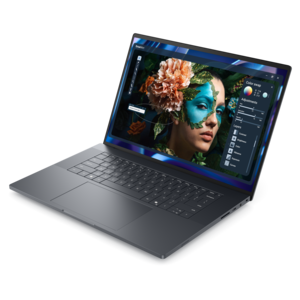
$2815.00
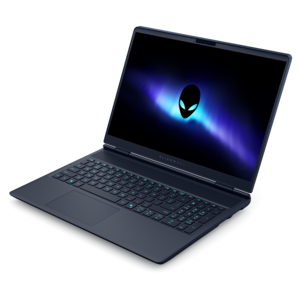
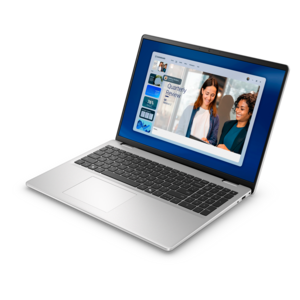
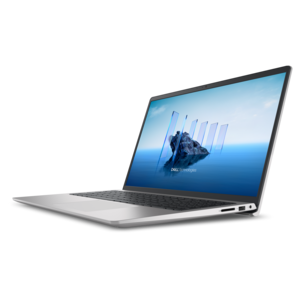
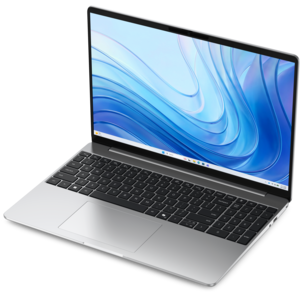
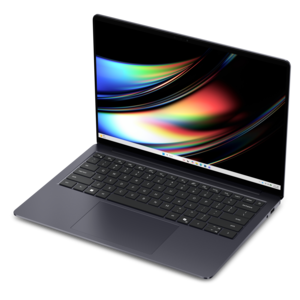
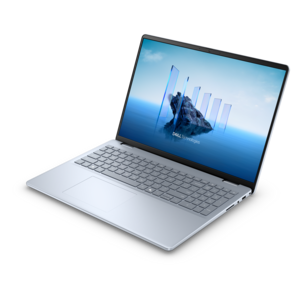
A sleek, lightweight laptop with Intel Core Ultra processors, NVIDIA graphics, and advanced on-device AI.
Laptops for Machine Learning and Python Development are designed to support demanding workloads, streamline code execution, and enhance productivity. Whether you’re building complex algorithms, training models, or running data analysis, choosing the right device ensures a smooth development experience. Explore a range of options tailored for developers and data scientists seeking reliable performance and flexibility for their projects. Find the ideal laptop to power your next machine learning or Python development task with confidence.
A sleek, lightweight laptop with Intel Core Ultra processors, NVIDIA graphics, and advanced on-device AI.
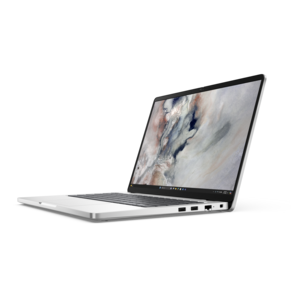
A streamlined gaming laptop delivering powerful performance with NVIDIA GeForce RTX 50 Series graphics.
A high-performance creator laptop with NVIDIA RTX Spark™ graphics for AI, development, and gaming.
A laptop featuring an FHD camera, enlarged ergonomic keyboard, and AMD Ryzen™ processing.
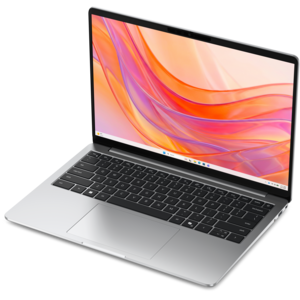
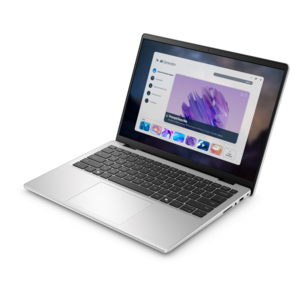
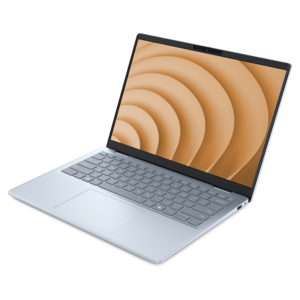
A slim, lightweight laptop designed for ultimate mobility.
A modern laptop powered by AMD Ryzen™ processors for effortless productivity and captivating entertainment.
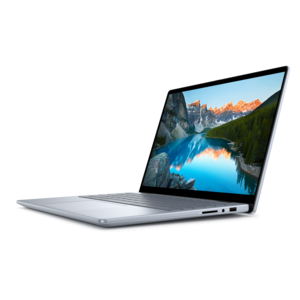
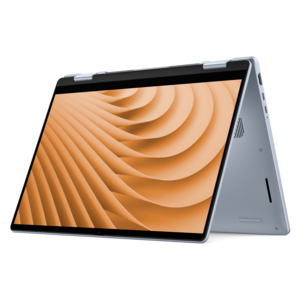
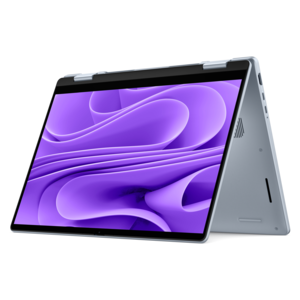
A versatile 2-in-1 laptop with Intel Core processors, DDR5 memory, and multiple modes for creative work.
A thin, lightweight laptop crafted with eco-friendly materials and powered by AMD Ryzen 200 Series processors.
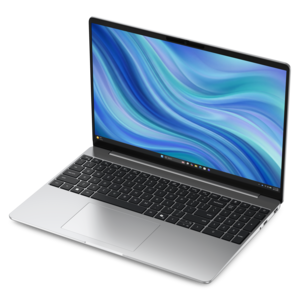
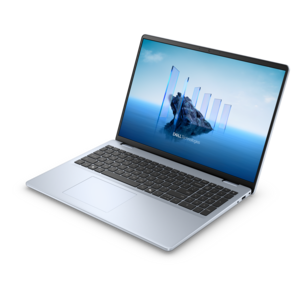
A sleek laptop with a spacious display, enlarged touchpad, and time-saving keyboard shortcuts.
A laptop featuring an FHD camera, enlarged ergonomic keyboard, and Intel® 13th Gen processing.
A portable laptop with a sleek design, 16:10 display, and AI PC options for productivity anywhere.
A modern laptop with Intel Core processors and graphics for effortless productivity and captivating entertainment.
A versatile 2-in-1 laptop designed for AI experiences and seamless multitasking on the go.
A thin, lightweight laptop made with eco-friendly materials and powered by Series 3 Intel Core processors.
An AI-ready laptop with a spacious display, designed for creators and developers seeking high performance.
A sleek laptop powered by the latest AMD Ryzen™ AI 400 Series processors for demanding users.
A lightweight AI-powered laptop with Intel Arc graphics, ideal for creative professionals and small businesses.
A sleek laptop powered by AMD Ryzen AI 400, designed for smooth, capable multitasking.
A portable, durable laptop with modular design, strong security, spacious 16:10 display, and built-in AI options.
A versatile 2-in-1 laptop with AI experiences, all-day battery life, and seamless multitasking.
A stylish, lightweight AI-powered laptop designed to boost productivity for creatives and small businesses.
A modern laptop with Intel® Core™ processors and graphics for effortless productivity and immersive entertainment.
A durable, modular laptop with robust security, a spacious display, and optional built-in AI for workdays.
A spacious-display laptop with built-in AI and Intel Arc graphics for creative and development workflows.
Laptops for machine learning and Python development support everything from a first data analysis notebook to a working environment filled with code, visualizations, and experimental models. For general Python programming and introductory machine learning, a capable multicore processor, 16GB of memory, and a solid-state drive provide a practical starting point. Larger datasets, multiple development tools, and more demanding experiments often benefit from 32GB of memory or more. The right balance depends on where the work happens: a laptop used to write code and access remote computing resources has different requirements from one expected to train neural networks locally. An engineering student examining sensor readings might spend most of an afternoon cleaning tables and plotting results, while a developer testing an image classifier may need substantial graphics acceleration. Processor performance influences tasks such as preparing data, running tests, and executing code, although additional cores help only when the software can use them effectively. Memory gives active datasets, browser tabs, notebooks, and development environments room to work together; insufficient capacity can interrupt that flow as the system moves information to and from the drive. A responsive solid-state drive helps with opening projects, loading datasets, and managing virtual environments. Capacity matters separately from speed, especially when raw files, transformed copies, model checkpoints, and software dependencies accumulate over a semester or a long project. A 512GB drive can accommodate lighter development work, while 1TB or more offers additional room for substantial local project files. Actual requirements vary with the size and number of datasets retained. For remote workflows, battery endurance, a comfortable keyboard, and reliable wireless connectivity may matter more than a powerful dedicated graphics processor. For local workloads, the balance shifts toward compute capability, memory capacity, and sustained cooling. These differences make intended use more meaningful than a single headline specification, whether the laptop is headed to a campus lab, a home office, or a shared workspace where the same project moves between locations throughout the week.
Local machine learning places particular emphasis on graphics compatibility and graphics memory. A dedicated graphics processor can accelerate supported deep learning workloads, but it is not required for every Python application or every machine learning task. Many traditional algorithms and smaller experiments can run on the main processor, while some demanding projects are better handled through remote computing resources. For accelerated local work, the graphics hardware must support the intended framework, operating system, and driver requirements. Graphics memory, often described as VRAM, helps determine whether a particular model, batch size, and set of intermediate calculations fit during execution. More graphics memory can provide room for larger workloads, but no capacity guarantees that every model will run comfortably. System memory and dedicated graphics memory serve different purposes and should not be treated as interchangeable. Integrated graphics can be suitable for everyday development, visualization, and supported lighter workloads; shared-memory designs have their own software and capacity considerations. Likewise, a built-in neural processing unit may accelerate compatible inference tasks, but it is not a universal replacement for a graphics processor used in training. These distinctions become tangible when an experiment runs for hours rather than minutes. Cooling design, power delivery, and performance settings affect how consistently a laptop maintains speed under prolonged load. A slim chassis may be convenient between meetings, while a larger design may have more room for cooling components; actual performance still depends on the individual configuration. Fan noise and surface warmth also become more noticeable during extended computation. Software fit deserves equal attention. Python versions, package dependencies, graphics drivers, and operating system support all influence whether a familiar project runs as expected. Anyone planning to use a different operating system should verify hardware support, including wireless connectivity, sleep behavior, and graphics acceleration. A repeatable environment and sensible project organization can matter as much to daily productivity as another step up in processing power. The most useful hardware is hardware that works reliably with the tools and workloads used day after day.
Physical comfort and durability shape the experience long after a benchmark finishes. A clear display with enough room for code beside a notebook output makes it easier to follow a transformation from raw data to a finished chart. Higher resolution can create more workspace, although readable text size, brightness, reflections, and scaling remain important. A comfortable keyboard, a precise touchpad, and a stable hinge help during long sessions of debugging or documentation. At a desk, connections for an external monitor, keyboard, and other accessories can turn a portable computer into a more spacious development setup; port capabilities should be checked because similar-looking connectors can support different functions. For frequent travel, the combined weight of the laptop and its power adapter matters alongside screen size and battery capacity. Battery life varies with workload, and sustained model training typically draws much more power than editing code or reviewing results. Materials such as aluminum and reinforced polymers offer different balances of rigidity, weight, and feel, but construction quality and careful handling matter more than material alone. A padded sleeve helps protect the chassis in a backpack, and keeping vents unobstructed supports proper airflow. Long computations belong on a firm, flat surface rather than bedding or a soft cushion. Routine care includes cleaning according to the manufacturer’s directions, installing appropriate updates, and keeping project backups separate from the laptop. Memory and drive upgrades can extend usefulness when supported, but some designs have fixed components, making the original configuration especially important. For students beginning technical coursework, researchers moving between workspaces, and developers building a personal project, these practical details help the laptop fit everyday routines. As a gift, a development laptop is most useful when its operating system, portability, and performance match the recipient’s actual work rather than an assumed need for maximum power. Related options on Best Laptops for AI Development connect naturally with broader experimentation, supported acceleration, and applications that extend beyond a single Python project.
Add the products you would like to compare, and quickly determine which is best for your needs.