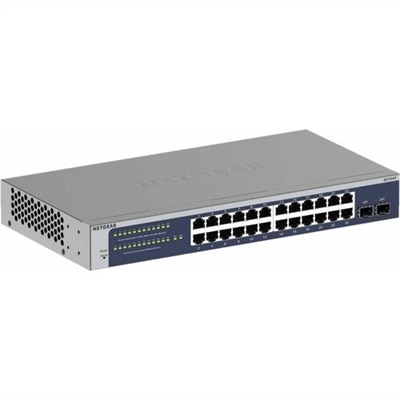
A versatile switch offering 48 PoE+ ports, 10G connectivity, and advanced Layer 3 features for seamless networking.
Layer 3 Switches
Optimize your network performance and scalability with our selection of layer 3 switches, designed to meet the demands of modern business environments. These advanced networking solutions seamlessly integrate routing capabilities, offering enhanced control and efficiency for managing data traffic across your organization. Whether you're upgrading an existing infrastructure or building a new network from scratch, layer 3 switches provide the versatility and power needed to ensure smooth and reliable connectivity. Explore our diverse range of options to find the perfect fit for your networking needs, and take your network management to the next level.
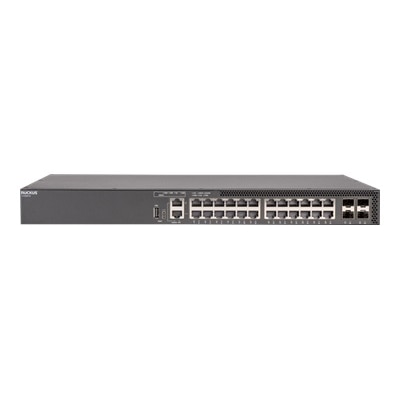
A feature-rich, rack-mountable switch ideal for small to medium businesses and SD-Branch deployments.
An intelligent, scalable Ethernet switch with up to 8x 25 GbE ports, PoE++, and advanced L2/L3 features.
A compact 8-port switch with 2.5G speed, PoE++ support, and advanced network management features.
A black rack-mountable Ethernet switch offering 48 multigigabit ports and 90 watts PoE per port.
An intelligent, scalable edge switch with up to 8x 25 GbE ports, PoE++, and advanced L2/L3 features.
A rack-mountable switch offering seamless integration and security for Software Defined-Branch deployments.
A hot-swappable fiber transceiver module providing 10 GbE connectivity over single mode fiber up to 10 km.
A sleek, black rack-mountable switch designed for seamless AV over IP with advanced configuration options.
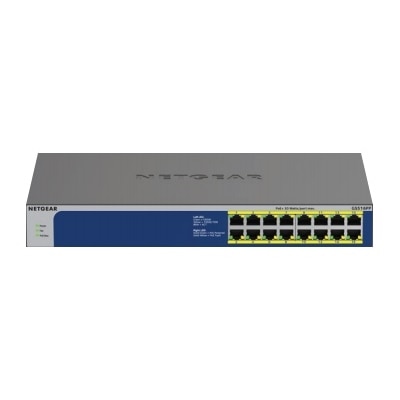
An 8-port managed Gigabit switch with PoE support, 2 SFP slots, and advanced Layer 2 management features.
Layer 3 Switches
Layer 3 switches represent a pivotal advancement in network infrastructure, blending the speed and simplicity of traditional Layer 2 switching with the robust routing capabilities of Layer 3 devices. These switches are engineered to manage both MAC and IP addresses, making them indispensable for organizations that require seamless communication between multiple VLANs and subnets. In environments such as corporate campuses, bustling data centers, or educational institutions, the need for rapid, secure inter-VLAN routing cannot be overstated. A layer 3 switch uses specialized hardware, like ASICs, to forward packets at line speed, dramatically reducing latency and eliminating the performance bottlenecks associated with relying solely on routers for internal traffic. This hardware-driven approach ensures high throughput even as network demands grow, a critical consideration as businesses expand or experience seasonal surges in data—such as the uptick in network activity that often accompanies the start of the new year when teams return to full productivity.
Selecting the right l3 switch involves weighing several factors, from port density and uplink options to scalability and security features. For IT administrators tasked with future-proofing their network, the ability to segment large LANs into manageable subnets is invaluable, as it not only boosts performance but also enhances security by reducing broadcast domains and supporting granular Access Control Lists (ACLs). Whether you're overseeing a growing enterprise, upgrading a school’s digital backbone, or outfitting a co-working space, a dell l3 switch offers the flexibility to adapt to evolving needs. The ability to quickly route traffic between departments or floors—without the need for a separate router—streamlines network management and ensures that mission-critical applications remain responsive. For businesses seeking cost-effective solutions, exploring a cheap layer 3 switch can provide advanced features without stretching the IT budget, making high-performance networking accessible to organizations of all sizes.
Layer 3 switches are not just for large-scale deployments; they’re increasingly found in mid-sized offices and even advanced home labs where users want to replicate enterprise-grade network segmentation and performance. They make thoughtful gifts for tech professionals, network engineers, or students pursuing IT certifications—especially as winter projects and network upgrades become popular indoor activities during the colder months. For those looking to further enhance their network’s capability and resilience, integrating switch layer 3 devices with modular or stackable architectures can provide seamless scalability and simplified management. To explore options that offer both flexibility and expandability, consider browsing our selection of Stackable Switches, which can be paired with layer 3 solutions for optimized performance. Whether you’re managing a sprawling campus network or building a robust backbone for a growing business, investing in the right layer 3 switch is a smart step toward a faster, more secure, and future-ready network environment.
FAQs:
A Layer 3 switch combines the fast data forwarding capabilities of Layer 2 switches with the routing functions of a router, enabling high-speed inter-VLAN routing and efficient traffic management within large or complex networks. This reduces latency, improves network performance, and simplifies network segmentation and security.
While both Layer 3 switches and routers can route traffic between different subnets, a Layer 3 switch is optimized for high-speed internal routing within a LAN, relying on hardware-based packet forwarding. Routers, on the other hand, are typically used to connect different networks (such as LAN to WAN) and offer advanced features like NAT and VPN support, but may have higher latency for internal traffic.
Organizations with large or segmented networks, such as enterprises, educational institutions, and data centers, benefit most from Layer 3 switches. They are also valuable for IT professionals setting up advanced home labs or co-working spaces that require efficient inter-VLAN communication and robust network management.
Yes, Layer 3 switches support advanced security features such as Access Control Lists (ACLs), which allow administrators to control and filter network traffic between VLANs. This enhances segmentation and minimizes the risk of unauthorized access or data breaches within the internal network.
Absolutely. Layer 3 switches are designed for scalability, making it easy to add more devices or segments as a network grows. Many Layer 3 switches can be integrated with stackable architectures, allowing multiple switches to function as a single, unified system for simplified management and increased capacity.