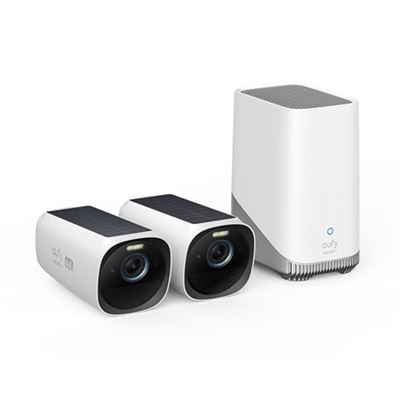
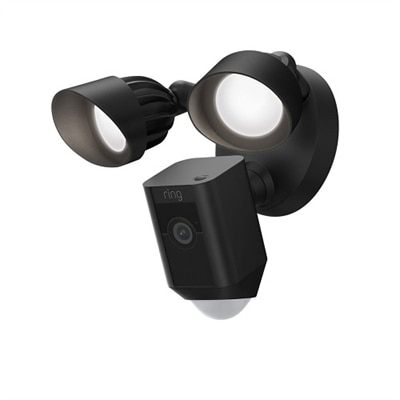
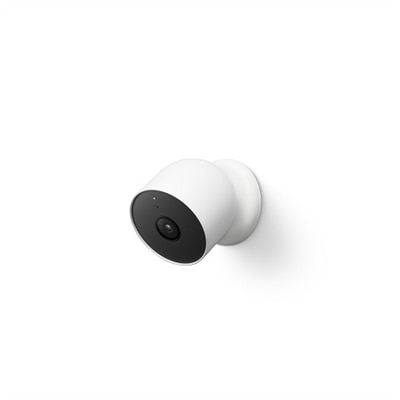
SD Card Security Cameras
Enhance your home or office surveillance setup with SD card security cameras, designed for convenient and flexible monitoring solutions. These cameras offer an easy way to capture and store footage locally, making them ideal for a range of security needs. Whether you're looking to monitor entrances, keep an eye on valuable assets, or add an extra layer of protection, SD card security cameras provide a straightforward option for reliable video recording. Explore a variety of models to find the perfect fit for your space and security preferences.
This product is not available
Check out the following recommendations.


SD Card Security Cameras
SD card security cameras are designed to record video directly to a memory card installed in the camera, giving you a practical way to save footage without relying exclusively on a cloud storage plan. Depending on the model, the camera may use a microSD card or a full-size SD card, so checking the supported format and maximum capacity is an important first step. When the camera connects to Wi-Fi, a companion mobile app may allow you to watch a live view, receive motion alerts and review saved clips from another location. Local recording and remote access can work together: footage is stored on the card at home, while the internet connection makes it easier to check in from a phone or tablet. Many cameras support loop recording, which automatically replaces the oldest video when the card becomes full. This keeps recording active without requiring you to manually delete files, but it also means important clips should be downloaded or backed up before they are overwritten. For a front entry, hallway, nursery, garage or home office, local storage can be a straightforward choice for people who want to keep routine footage on the device rather than commit to a recurring cloud plan. It can also be useful in locations with limited internet service, since the camera may continue recording even when a connection is interrupted, although app features and remote viewing generally depend on Wi-Fi. Video resolution is another consideration. A higher-resolution camera can reveal more useful details, such as a package label, a visitor’s clothing or activity near a driveway, while a wider field of view can cover more of a room or outdoor area. For a broader selection of camera options, explore High Definition Security Cameras.
When choosing an SD card security camera, consider where it will be placed and what you need it to capture. Indoor cameras are often compact and easy to position on a shelf, desk or bookcase, while outdoor models should be built to handle moisture, dust and changing temperatures. Weather resistance is especially useful during cooler months, when wind, rain and shorter daylight hours can make outdoor areas harder to monitor in person. Night vision, infrared illumination and color night recording can help a camera continue capturing activity after dark, but the results depend on nearby lighting, distance and the scene itself. Motion detection settings can be adjusted on many cameras to reduce unnecessary recordings from passing cars, tree branches or pets, and activity zones can help focus alerts on a walkway, doorway or gate. Two-way audio may let you speak with a delivery person or check on a family member, while a built-in siren or light can provide an additional deterrent in some settings. Storage capacity affects how long recordings remain available. A camera recording continuously will use more space than one set to capture motion events, and higher-resolution video creates larger files. A larger card may extend the available history, but compatibility matters just as much as capacity. Always confirm the camera’s supported card type, maximum size and formatting requirements before purchasing. A high-endurance microSD card or SD card is generally the better match for security recording because it is designed to tolerate repeated writing and rewriting. Standard cards made primarily for occasional photos or phone storage may wear out sooner when used for constant recording. Even with an endurance-rated card, it is wise to review the camera’s status periodically, check that recordings are being saved and replace the card according to its condition and usage. Some cameras send an alert when storage or recording problems occur, while others may require a manual check through the app.
These cameras can suit homeowners who want a simple view of entrances, garages or shared living spaces, renters looking for a portable option that does not require major installation, and small business owners monitoring an office, studio or stockroom during unoccupied hours. They may also be a thoughtful practical gift for someone moving into a new home, caring for an older relative, welcoming a pet or improving visibility around a property. A camera placed near a front door can help document deliveries and visitors; one facing a side gate can provide a better view of an area that is difficult to see from inside; and an indoor model can help keep an eye on pets while the household is away. Before installation, consider privacy and placement carefully. Avoid aiming a camera into a neighbor’s property or areas where people reasonably expect privacy, and use app controls, strong account credentials and available encryption settings to protect access. Local storage can keep footage on the camera, but it does not make the recording completely immune to loss: if someone removes or damages the camera, the card may be lost with it. For important events, export clips to another secure device or storage location, and remember that a camera with a memory card is not a substitute for professional emergency monitoring or a guaranteed evidentiary system. Look for clear setup instructions, dependable app support, adjustable recording modes and a design that fits the intended location. With the right card, suitable placement and regular checks, an SD card security camera can provide an accessible record of everyday activity, from a quiet hallway at night to movement near the front walk during changing weather.
FAQs:
When selecting an SD card security camera for outdoor use, prioritize weather-resistant or waterproof housing, infrared night vision for low-light conditions, and wide-angle lenses for broader coverage. Features like motion detection and customizable alert settings can help you stay informed about activity around your property, even when you're away.
Yes, many SD card security cameras can operate independently of an internet connection, recording footage directly to the SD card. However, some advanced features like remote viewing, notifications, and app-based controls may require a Wi-Fi connection for full functionality.
It's a good idea to check the SD card regularly to ensure it has enough available storage and is functioning properly. Depending on your camera's resolution, recording settings, and the card's capacity, you may want to review or back up footage every few weeks or after any significant event.
Most SD card security cameras are designed for simple installation, often requiring just a power source and a compatible SD card. Many models come with user-friendly setup guides and mobile apps to help you get started quickly, making them a convenient option for both beginners and experienced users.
Generally, an SD card is intended to be used by one camera at a time. If you need to use the card in a different camera, it's best to format it according to the new device’s requirements to ensure compatibility and reliable performance.