$469.99
A versatile 4K camera with two-way audio, weatherproof design, and voice assistant compatibility.
Security cameras with local storage offer a reliable way to keep an eye on your home or business while keeping your footage easily accessible. With these solutions, you can record and store video directly on the device, giving you more control over your data and peace of mind. Explore a variety of security cameras with local storage designed to help you monitor important areas efficiently and conveniently. Find the right option to enhance your security setup and stay connected to what matters most.
A versatile 4K camera with two-way audio, weatherproof design, and voice assistant compatibility.
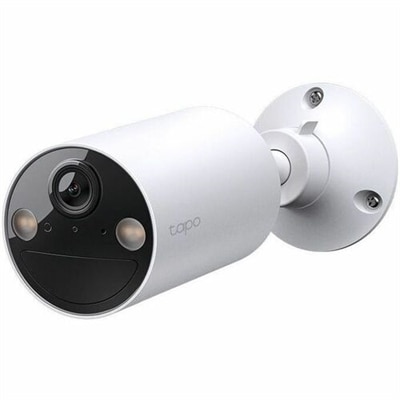
A wireless outdoor 4K security camera with AI motion detection, solar charging, and expandable local storage.
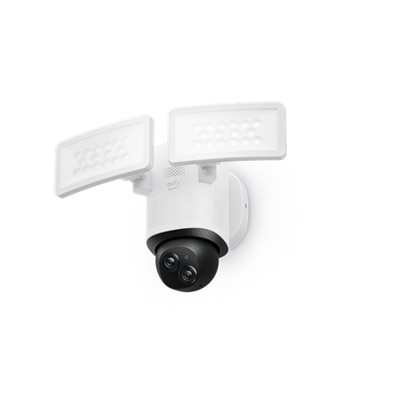
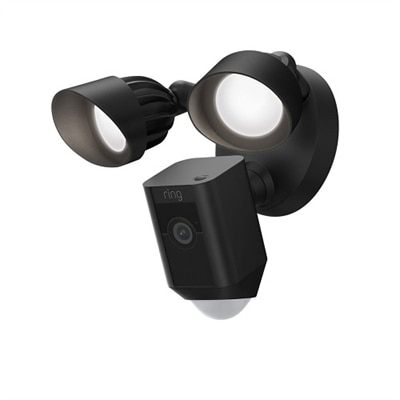
A floodlight camera that records continuously with microSD or HomeBase S380 for constant monitoring.
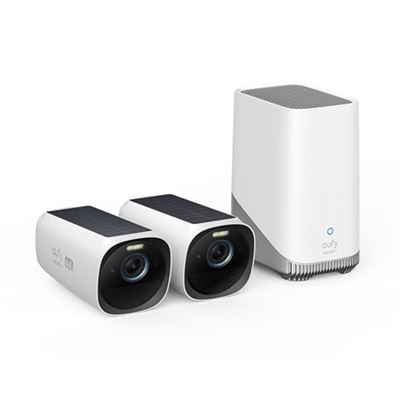
A wireless 4K security camera kit with AI motion detection, solar charging, and expandable local storage.
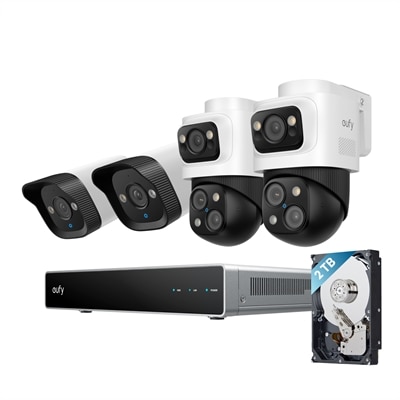
An all-in-one PoE security system with AI noise reduction, 24/7 recording, and IP65 weatherproofing.
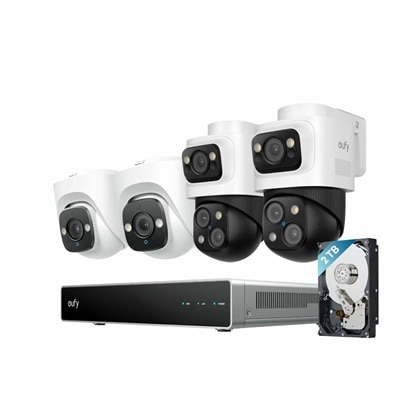
A versatile PoE security system with 2 TB HDD, AI noise reduction, and IP65 weatherproof protection.
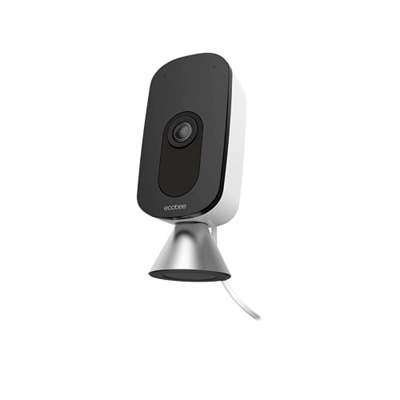
An indoor WiFi security camera with voice control, two-way talk, and smart activity zones.
Security cameras with local storage record video to an on-site medium, such as a microSD card, built-in memory, or a dedicated recording hub, rather than relying entirely on a remote cloud service. This arrangement can be appealing to people who want a straightforward way to review activity around a home, apartment, workshop, small office, or vacation property while keeping recordings closer to where the camera is installed. Local recording may also help reduce recurring subscription costs, since many systems allow users to save and access clips without paying for an ongoing cloud plan. For shoppers comparing options, the recording method is an important place to begin. A camera with a microSD card slot can be compact and simple for one-room monitoring, while a multi-camera kit with a central recorder may be more practical for covering several entry points or outdoor areas. Consider how much footage you want to retain, whether the camera continuously records or saves clips after detecting motion, and how easily older recordings can be reviewed or overwritten. A system that automatically replaces the oldest footage can keep recording without frequent maintenance, while one that supports removable cards can make it easier to transfer important clips. Browse SD Card Security Cameras for options designed around recording video to a memory card and keeping everyday monitoring simple.
The right camera depends on the space, the type of activity you want to observe, and the way you prefer to manage recordings. Indoor cameras can help keep an eye on a foyer, nursery, home office, hallway, or package drop-off area, while weather-resistant outdoor models are suited to driveways, patios, gates, detached garages, and other exposed locations. During the cooler months, a camera aimed at an entryway can provide a useful view when daylight fades earlier, and motion alerts can help you notice activity without constantly watching a live feed. Look for features that match the setting rather than choosing specifications in isolation. Higher resolution can make faces, clothing, license plates, or package labels easier to distinguish, while a wide viewing angle may cover more of a porch or room with fewer blind spots. Infrared night vision is useful in darkness, and color night vision can provide additional detail when there is enough nearby light. Motion detection can reduce the amount of footage to review, especially when its sensitivity and activity zones can be adjusted to ignore passing traffic, swaying branches, or pets. Two-way audio may be helpful for speaking with a visitor at the door or checking on someone in another room. For privacy-conscious households, local recording can offer reassurance because footage remains on equipment at the property instead of being automatically sent to a remote service, although it is still wise to review the camera’s security settings, use a strong unique password, install firmware updates, and limit access to trusted household members.
Installation and daily use are just as important as image quality. Wired cameras can provide consistent power and are often a good fit for fixed locations where a cable can be routed neatly, while battery-powered or wire-free cameras may be easier to place on a rental property, finished exterior, or area without a convenient outlet. Wi-Fi models can simplify setup, but their reliability depends on signal strength and the camera’s distance from the router; thick walls, metal surfaces, and outdoor placement can affect performance. If a camera may need to continue recording during an internet interruption, check whether its local recording functions operate without an active internet connection and how alerts or remote viewing behave when the connection returns. Also confirm the supported card capacity, recording format, expected battery life, charging method, operating temperature, and weather-resistance rating before choosing an outdoor camera. Families may use local-storage cameras to check an unattended front door, monitor a sleeping child, or keep an eye on pets while away, while small-business owners can use them to review activity near a reception area, stockroom entrance, or after-hours access point. They can also make thoughtful practical gifts for new homeowners, people moving into a first apartment, or relatives who want added visibility around a property without a complicated installation. Place cameras where they capture useful approaches rather than private spaces, and let visitors or household members know when monitoring is in use as appropriate. With the right combination of placement, power, detection settings, night visibility, and local recording capacity, a security camera can become a dependable part of a daily routine while keeping video access convenient and under the owner’s control.
Add the products you would like to compare, and quickly determine which is best for your needs.