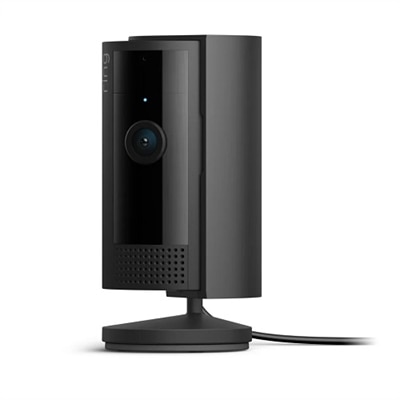
Security Cameras For Retail Stores
Enhancing the safety and security of your business is a top priority, and security cameras for retail stores play a crucial role in protecting your assets. Whether you're looking to monitor daily operations, deter theft, or ensure a safe environment for customers and staff, the right surveillance solutions can make all the difference. Explore a wide selection of security cameras for retail stores designed to support your unique needs and help you maintain peace of mind while focusing on growing your business.
This product is not available
Check out the following recommendations.
Security Cameras For Retail Stores
Security cameras for retail stores help create a clearer view of daily activity, from the first customer entering through the front door to the final closing check after the lights go down. A thoughtfully planned camera system can discourage theft, document incidents, support employee safety and help store teams understand how shoppers move through the space. Cameras may be useful in boutiques, convenience stores, supermarkets, pharmacies, electronics shops, specialty retailers and other customer-facing businesses. Before choosing a system, consider the size and layout of the store, the number of entrances, the placement of cash registers, the location of high-value merchandise and the areas that need visibility after hours. A small shop with one front entrance and a compact sales floor may need only a few carefully positioned cameras, while a larger location may require coverage across aisles, checkout lanes, stock areas, receiving doors and exterior walkways. It is helpful to sketch the floor plan and mark potential blind spots, including corners hidden by shelving, displays that change with the season and narrow passages where a person could remain out of view. Entryways and registers often benefit from especially detailed video, since clear facial features, clothing and transaction activity can make recorded footage more useful when reviewing an incident. General floor coverage can focus on broad visibility and movement, while a camera aimed at a doorway or checkout should be positioned to avoid glare from windows, bright signs and overhead lighting. For additional planning resources and business-focused options, explore Commercial Surveillance Camera Systems.
Camera design plays an important role in matching coverage to each part of a retail environment. Dome cameras are compact and low-profile, making them a practical choice for indoor ceilings where a discreet appearance and resistance to casual tampering are priorities. Their rounded housing can make it less obvious which direction the lens is facing, which is useful across open sales floors and checkout areas. Bullet cameras are more visible and often well suited to entrances, loading areas, rear doors, sidewalks and parking spaces where a clearly noticeable presence can help deter unwanted activity. Pan-tilt-zoom, or PTZ, cameras can move across a broad area and zoom toward activity, making them useful in spacious stores, large showrooms and exterior approaches; they are most effective when someone is actively monitoring the view or when automated movement settings are configured carefully. Fisheye and panoramic cameras provide a wide field of view, sometimes approaching 360 degrees, and can reduce blind spots in open spaces such as lobbies, central aisles and customer service areas. Resolution should be selected according to the distance and purpose of each camera. Higher-resolution video, including 4K or approximately 8 megapixels, can help capture finer details at entrances and registers, while 2K or approximately 4 megapixels may provide a strong balance of clarity and coverage for general floor areas. A wide view is not always a detailed view: placing one camera too far from a register may show the entire counter but leave faces, receipts or small objects difficult to distinguish. Night vision is another important consideration for stores that operate in the evening or need visibility after closing. Infrared night vision can show activity in very low light, while color night vision may preserve more identifying detail when enough ambient light is available. Check how far the camera can see in darkness and whether nearby signs, glass doors or reflective surfaces could create glare. Weather-resistant construction is important for cameras used outdoors, especially around entrances and receiving areas exposed to rain, wind or the colder months.
Recording and access features should fit the store’s routine, staffing and response needs. Some systems record continuously, while others use motion detection or person detection to highlight activity and reduce the amount of footage that must be reviewed. Smart features such as people counting, movement zones and heat maps can offer useful operational insight by showing busy periods, popular aisles and areas that receive little attention. These tools can help a retailer evaluate display placement, queue patterns and staffing needs, but analytics should be treated as an aid rather than a replacement for sound judgment. Look for clear controls that allow users to adjust detection areas so that passing traffic, moving signs or shadows do not create unnecessary alerts. Remote viewing through a phone, tablet or computer can help an owner check entrances, confirm that a delivery arrived or respond promptly when an alert appears, while an on-site recording option can provide access even when internet service is interrupted. Consider how long footage should be retained, how many people need permission to view it and whether the system supports separate user accounts and activity logs. Strong passwords, software updates and careful access management are essential for protecting recorded video and maintaining customer privacy. Cameras should be installed where they are allowed by applicable laws and store policies, with clear notice when required; private areas such as restrooms and changing rooms should never be monitored. During the cooler months, exterior cameras may face shorter daylight, condensation or weather-related obstruction, so inspect lenses and housings regularly and keep views clear of seasonal decorations, delivery materials and newly placed displays. The most effective security camera setup is not necessarily the largest one. It is a balanced arrangement that places the right camera type, resolution, low-light capability and recording features where they provide meaningful visibility, helping retail teams protect merchandise, support a safer workplace and serve customers with greater confidence.
FAQs:
When selecting security cameras for your retail store, consider features such as high-definition video quality, night vision capabilities, wide-angle or panoramic views, remote access via mobile apps, and advanced analytics like motion detection or people counting. The right combination of features can help you monitor your store more effectively and gain valuable insights into customer behavior and store operations.
Many modern retail surveillance cameras can be integrated with existing store technologies, such as point-of-sale systems, alarm systems, and centralized monitoring platforms. Integration can streamline operations and provide a more comprehensive security solution, allowing you to manage and review footage alongside other critical store data.
Yes, different areas of a retail store may benefit from specific camera types. Dome cameras are often used for indoor areas due to their discreet design and wide coverage, while bullet cameras are ideal for entrances and outdoor spaces because of their visibility and range. PTZ cameras are great for covering large areas and can be remotely adjusted to focus on specific incidents.
Security cameras can assist with store management by providing insights into customer traffic patterns, identifying peak shopping times, and helping with staff scheduling. Advanced analytics can also track how customers move through the store, which can inform merchandising decisions and improve the overall shopping experience.
Yes, many security camera systems offer centralized monitoring capabilities, allowing you to view live or recorded footage from multiple retail locations through a single dashboard or mobile app. This feature is especially useful for business owners or managers overseeing several stores, making it easier to maintain oversight and respond to incidents promptly.