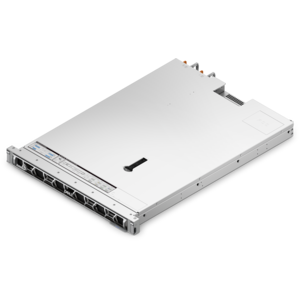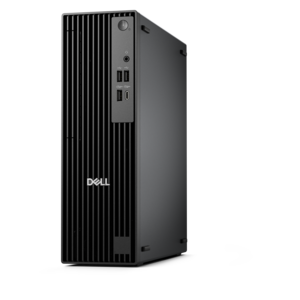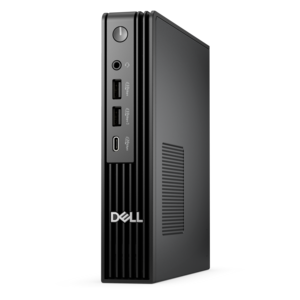
A 4.5U one-socket server designed for SMBs, remote offices, and near-edge computing needs.
Server Computing
Elevate your business operations with cutting-edge server computing solutions designed to meet the demands of today’s dynamic digital landscape. Discover an array of powerful servers that ensure seamless data management, robust security, and exceptional performance, empowering your organization to achieve new heights of efficiency and productivity. Whether you’re a small business looking to expand or a large enterprise seeking to optimize your IT infrastructure, our diverse selection of server computing options provides the flexibility and scalability needed to support your unique goals. Explore innovative technologies that drive success and transform challenges into opportunities in the ever-evolving world of server computing.
A powerful server with advanced processing, scalable storage, and robust security features for data centers.
A reliable adapter offering expandable storage, high-speed connectivity, and power efficiency for enhanced server performance.
A reliable dual port adapter for seamless server-to-network connections, validated on Dell systems.
A reliable dual port network adapter for seamless server connectivity with a low profile PCIe design.
A 2U, two-socket server optimized for demanding AI and Machine Learning workloads.
A compact 17-inch one-socket rack server ideal for Near-Edge and SMB customer needs.
A 1U, two-socket server optimized for dense database analytics and high-density virtualization workloads.
A two-socket 1U server offering enhanced performance and flexible storage for data center needs.
A compact 1U server designed for SMBs, ROBO, and Near-Edge computing demands.
A purpose-built office-friendly server maximizing next-gen technologies for enterprise-level performance.
A 2U dual-socket rack server with AMD EPYC 9355 processor and 480GB SSD for exceptional performance.
A secure 2U rack workstation featuring Precision optimizer for enhanced performance and efficiency.
A sleek 3U tower server offering performance and space efficiency for Near-Edge and SMB environments.
A black floor-standing IT rack with cable management for data centers and server rooms.
A high-performance 2U rack server with Intel Xeon processor, 480GB SSD, and 32GB DDR5 memory.
A 16-port digital KVM switch offering secure remote server management with 128-bit encryption and virtual media support.
A high-performance, air-cooled rack server with AMD EPYC processor and 480GB SSD for scalable data centers.
A powerful server with advanced processing, scalable storage, and robust security for business efficiency.
A dual-socket 2U rack server offering exceptional value and flexibility for data centers.
A powerful ten-core processor with 2.5GHz speed, ideal for data-intensive and enterprise applications.
A black 24U server rack enclosure with adjustable features for efficient edge computing deployment.
A black 45U server rack with 19-inch EIA rails, supporting up to 3,000 pounds static load.
A rack-mountable 8-port console server with ARM processor for secure remote IT asset management.
Server Computing
In the world of server computing, selecting the right equipment is a decision that shapes the backbone of business operations, research, and innovation. Whether you’re outfitting a small startup’s first IT closet, scaling up a bustling enterprise data center, or building a lab for advanced research, the considerations extend far beyond simple hardware specs. Server computers are designed for continuous operation, built with robust components to handle high volumes of requests, and engineered for reliability and uptime. Features like redundant power supplies, hot-swappable drives, and advanced cooling systems ensure that your critical applications and data remain accessible around the clock. In January, as organizations return from the holiday lull and prepare for a year of growth, it’s common to re-evaluate infrastructure needs and invest in technology that supports new projects, cloud migrations, or seasonal spikes in demand. For IT professionals, there’s a certain satisfaction in unboxing a new rack server, sliding it into place, and hearing the hum of fans as systems come online—each machine a new building block in a resilient, scalable environment.
Choosing the right server solution often comes down to understanding your specific workload and growth trajectory. For those managing web hosting, file sharing, or database applications, a dedicated server delivers centralized resources and efficient, secure access for users across the network. Database servers, for instance, are optimized for managing structured data and processing complex queries, while application servers run critical business logic that keeps teams productive. AI servers, designed for intensive machine learning workloads, are increasingly popular in research labs, creative agencies, and enterprises exploring the possibilities of artificial intelligence. The flexibility of modern server computing means you can start with a single dell server computer for a branch office and scale up to a rack server dell configuration as your needs evolve. For organizations with limited space, compact form factors are available, while larger operations may deploy a full dell compute server infrastructure to support virtualization, backup, or hybrid cloud strategies. Gifting a server may seem unconventional, but for tech enthusiasts, educators, or small business owners, it’s a transformative gesture—empowering recipients to experiment with self-hosted applications, launch a personal website, or build a secure storage solution for family photos and documents.
As you browse recommended products, consider how each server fits into your broader IT ecosystem. Think about future expansion, security requirements, and the need for centralized management—especially if you anticipate growth or changes in your user base. Look for features that align with your operational priorities, whether it’s energy efficiency for a green data center, remote management tools for distributed teams, or advanced security protocols to protect sensitive information. Server computing is not just about hardware; it’s about creating a reliable, scalable foundation that adapts to your needs, supports innovation, and keeps your organization running smoothly through every season. For more insights on configuring your environment and optimizing for performance, explore our comprehensive guide to Server Environments and discover best practices tailored to your unique requirements.
FAQs:
Modern server computing environments typically utilize several types of servers, including web servers for hosting websites, file servers for managing shared files, database servers for handling structured data and queries, email servers for communication, application servers for running business logic, and AI servers for intensive machine learning workloads. Each type is optimized for specific tasks, allowing organizations to centralize resources and deliver reliable, scalable services across their networks.
A wide range of users benefit from dedicated server computers, including small businesses needing centralized file storage, enterprises running mission-critical applications, educational institutions supporting research, and creative professionals managing large media files. Dedicated servers provide enhanced reliability, security, and performance, making them ideal for organizations that require continuous uptime and efficient resource sharing.
A rack server is designed to be mounted in a standardized rack enclosure, allowing for efficient use of space and simplified cable management in data centers or server rooms. Rack servers, such as those in the rack server dell lineup, are ideal for environments requiring multiple servers or scalable infrastructure. In contrast, tower servers are standalone units that resemble desktop computers and are often used in smaller offices or branch locations with limited server needs.
When selecting a dell compute server, prioritize features such as processor performance, memory capacity, storage options, network connectivity, and redundancy capabilities like hot-swappable drives and power supplies. Additionally, consider remote management tools, scalability for future growth, and compatibility with your existing IT environment to ensure seamless integration and long-term value.
Yes, server computing is foundational for virtualization and cloud integration. Modern servers are built to support virtual machines and containers, enabling organizations to maximize hardware utilization, streamline deployment, and enhance flexibility. Many businesses use on-premises servers in conjunction with cloud services to create hybrid environments that balance performance, security, and scalability.