Speaker Systems
Enhance your audio experience with speaker systems designed to deliver impressive sound for any setting. Whether you're outfitting a home office, entertainment area, or workspace, speaker systems provide the clarity and power needed for music, movies, and calls. Explore options that suit a variety of preferences and setups, making it easy to find the right fit for your environment. Discover how speaker systems can elevate everyday listening with quality performance and versatile connectivity.
This product is not available
Check out the following recommendations.
Speaker Systems
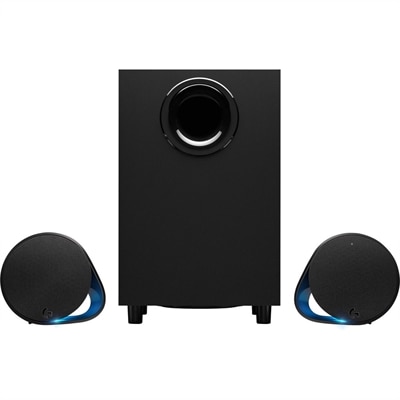
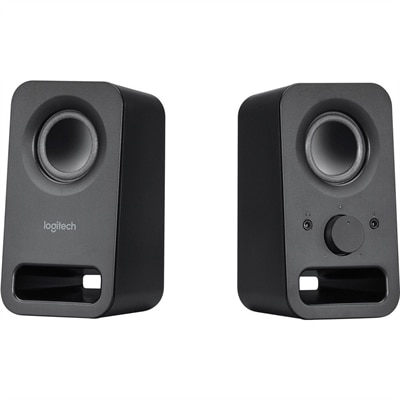
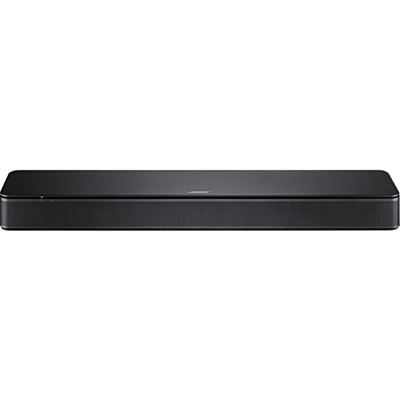
Speaker systems bring music, dialogue, and game audio into the room through one or more speakers working together. They range from compact desktop speakers that sit beside a laptop or monitor to soundbars, bookshelf speakers, and multichannel arrangements that surround a seating area. Each format suits a different kind of listening space. A two-speaker stereo system separates left and right channels, giving instruments, voices, and environmental sounds a sense of position across the desk or room. A 2.1 system adds a subwoofer to handle low frequencies, bringing more weight to bass lines, movie soundtracks, and game effects. Home theater configurations such as 5.1 and 7.1 use a center channel and surround speakers alongside the front pair and subwoofer, helping anchor dialogue near the screen while placing other sounds around the listener. Soundbars offer a more consolidated layout beneath a display, though their connections, channel arrangements, and surround capabilities vary. Powered speakers have amplification built in, while passive speakers require a compatible external amplifier or receiver. That distinction affects both the equipment needed and the space the complete system occupies. For a home office, clear speech and accessible volume controls can matter more than room-shaking bass; in a shared living space, balanced sound at moderate levels may be the priority. Students, remote workers, movie enthusiasts, and desktop gamers can all benefit from speakers suited to their everyday routines. A compact setup can make an online lecture easier to follow, give a playlist more presence during an afternoon of work, or let two people enjoy a movie without sharing headphones. The broader Audio Speakers category provides context for these different listening formats, from personal workspaces to shared entertainment areas. The most useful distinction is not simply how large a system looks, but how its layout, amplification, and connections fit the source device and the way the room is used.
The fit of a speaker system is both physical and acoustic. A shallow desk with two monitors leaves different options than a wide media cabinet, and a speaker’s footprint includes room for plugs, cable bends, and any ventilation clearance specified by the manufacturer. Compact enclosures can leave space for a keyboard and notebook, while larger cabinets may accommodate drivers designed for greater output or deeper bass. Size alone does not establish sound quality, however; driver design, enclosure construction, amplification, and tuning all contribute. Speaker cabinets commonly use molded plastic, wood-based composites, or metal, with fabric or perforated metal grilles protecting the drivers. These materials affect weight, appearance, and resonance control, while stable feet and sturdy construction help speakers remain secure during everyday use. On a desktop, vibration-isolating pads or suitable stands can reduce the buzz that sometimes travels through a lightweight work surface. Position also changes what reaches the listener. A stereo pair with some separation can create a more distinct soundstage than two speakers crowded together behind a screen, and placement near ear level can help preserve clarity. Walls and corners often reinforce bass, which may sound full in one room and overpowering in another. Rugs, curtains, and upholstered furniture absorb some reflected sound, whereas bare walls and glass surfaces can make a space sound more lively. Subwoofers offer placement flexibility, but their location still affects bass consistency across seats. For near-field listening at a computer, detail and balance at close range are especially relevant. For movies across a larger room, clean output at the intended seating distance becomes more important. Wattage figures are only part of that picture and are most meaningful when the measurement conditions are comparable. A system that keeps spoken dialogue intelligible, instruments distinct, and effects controlled at normal listening levels can be more satisfying than one chosen solely for its maximum volume.
Connections and controls determine how comfortably speaker systems fit into daily life. A wired analog input can provide a straightforward connection to a compatible computer or other audio source, while USB audio may carry digital sound directly from a supported device. A USB connector does not always support audio; on some speakers, it supplies power only. Bluetooth can simplify casual listening from a compatible phone or laptop, although wireless performance and delay vary, which matters when sound needs to stay synchronized with video or fast-paced gameplay. Wi-Fi-enabled systems may support playback across multiple rooms, but coordinated listening generally depends on compatible software, devices, and system requirements rather than Wi-Fi connectivity alone. For television use, optical audio or HDMI ARC and eARC may be relevant, with supported audio formats and control functions depending on both connected devices. Wireless speakers and subwoofers also commonly need a power connection, so outlet placement remains part of a tidy setup. A reachable volume dial, clearly marked inputs, a remote control, or a headphone output can make everyday transitions easier, from a morning video meeting to an evening film. For calls, external speakers provide playback rather than necessarily replacing a microphone, and microphone placement can affect echo. Care is usually simple but should follow the manufacturer’s directions: a soft, dry cloth is often appropriate for cabinet surfaces, while exposed drivers require particular caution. Liquids, excessive heat, direct sunlight, and blocked ventilation can shorten the useful life of electronic components or damage finishes. Cables routed away from chair wheels and walking paths are less likely to be pulled loose, and secure placement helps protect speakers from accidental knocks. These practical details also matter when a speaker system is intended as a gift for a graduate, a music-loving friend, or someone setting up a new workspace. Compatibility with existing equipment, manageable dimensions, and straightforward controls make a more thoughtful match than size alone. Whether the setting is a quiet study corner or a room shared for films and music, speaker systems are most rewarding when their sound and everyday operation feel at home in the space.
FAQs:
Speaker systems come in various types, including bookshelf speakers, floor-standing speakers, soundbars, satellite speakers, and subwoofers. Each type is designed for different audio needs and room sizes.
Consider factors such as room size, desired audio quality, connectivity options, and whether you want a surround sound experience. Matching your speaker system to your receiver or amplifier is also important for optimal performance.
Wired speaker systems require physical connections to an audio source, offering stable and high-quality sound. Wireless systems use technologies like Bluetooth or Wi-Fi for more flexible placement and easier setup.
Many modern speaker systems offer multiple input options such as Bluetooth, HDMI, optical, or auxiliary ports, allowing you to connect a variety of devices like TVs, computers, smartphones, and gaming consoles.
Look for features such as frequency response range, power handling capacity, connectivity options, compatibility with your devices, and additional technologies like Dolby Atmos or DTS:X for immersive sound experiences.